- Search
Search
Search " Bo’ai Camp" ,Match:9 results
-
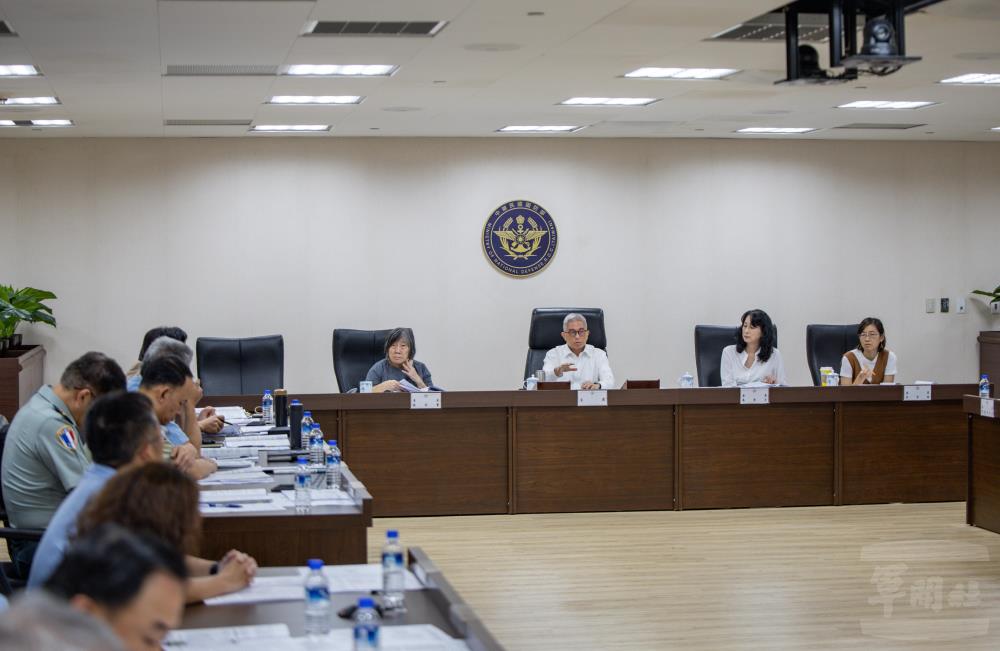 Vice Minister Hsu Chairs Gender Equality Meeting, Calls for Continued Efforts to Foster a Supportive WorkplaceThe Ministry of National Defense convened the 49th meeting of its Gender Equality Task Force today. Chaired by Vice Minister of National Defense Hsu Szu-chien, the meeting addressed gender equality, a supportive workplace, and cultural diversity. Participants discussed ways to advance the Ministry’s gender equality initiatives and foster a high-quality working environment. The meeting was held at Bo’ai Camp this morning and attended by external members Yen Hsiang-luan, Chin Chi-fang, and Yu Chen-yi; representatives from the Executive Yuan’s Department of Gender Equality and the three service headquarters; and personnel responsible for related affairs at the National Defense University and other organizations. The responsible unit first reported on the implementation of action items from the previous meeting. Participants then discussed gender equality -related cases with the committee members, with the aim of continually improving the Ministry’s gender equality initiatives and creating a safe and gender-friendly environment. Vice Minister Hsu emphasized the importance of establishing robust gender equality systems. The soundness of these systems affects how cases are investigated and handled, as well as personnel’s trust in the systems. Current systems and operating mechanisms should therefore be reviewed continuously, with deficiencies addressed and improvements made. This will strengthen procedures for handling gender equality -related cases, provide more appropriate safeguards, and foster a safe and supportive workplace. Vice Minister Hsu also noted that while the relevant systems continue to be reviewed and improved, gender equality -related cases must be handled carefully in accordance with applicable requirements. In particular, the composition of the relevant committees and the investigation process must ensure procedural fairness and impartiality while protecting the rights and interests of all parties. This will ensure that service members can focus on combat readiness and training in a safe, respectful, and equitable workplace.2026/08/18
 -
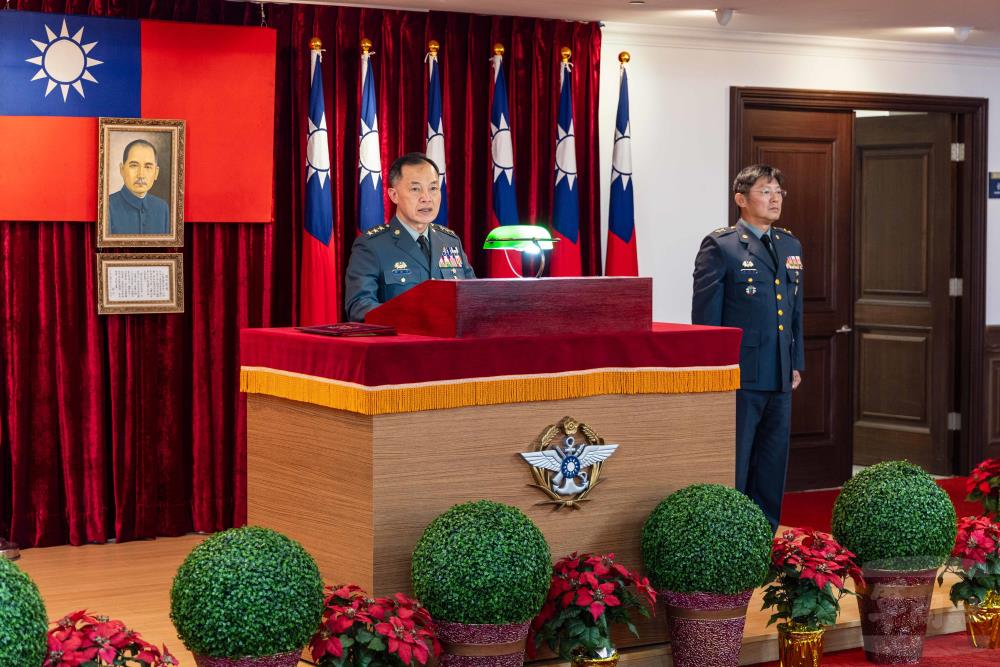 New Armaments Bureau Director-General Takes Office; Vice Minister Chung Calls for Stronger Defense Self-RelianceVice Minister of National Defense for Armaments General Chung Shu-ming today presided over the installation ceremony for the new Director-General of the Armaments Bureau, Lieutenant General Huang Chao-cheng. He encouraged the Bureau, under Lieutenant General Huang’s leadership, to continue improving armaments readiness, weapons and equipment acquisition, and contract performance management; integrate defense technology with the capabilities of private industry; strengthen the foundations of defense self-reliance; and enhance the Armed Forces’ overall combat capabilities. The installation ceremony for the Director-General of the Ministry of National Defense’s Armaments Bureau was held this morning at Bo’ai Camp. During the ceremony, Vice Minister Chung first read the official appointment order, after which Lieutenant General Huang Chao-cheng took the oath of office and formally assumed his new position. Vice Minister Chung noted that the Armaments Bureau is responsible for armaments readiness, the research, development, and production of defense technologies and weapons systems, as well as military engineering and real property management. In recent years, the Bureau has achieved strong results in supporting the services with major weapons acquisition programs, defense technology R&D, oversight of military construction projects, and more effective use of military real estate. He encouraged all personnel to continue embracing innovation and reform while strengthening coordination and cooperation across departments. Vice Minister Chung emphasized that defense self-reliance is an essential foundation for strengthening the Armed Forces’ combat capabilities. In the face of serious threats, weapons and equipment acquisition must be driven by actual force-development and combat-readiness requirements. Procurement must be conducted in accordance with the law, while procurement strategies and contract performance management should be continually improved. Qualification reviews and contract oversight must also be strengthened to safeguard national defense and security. Finally, Vice Minister Chung encouraged the Armaments Bureau to maintain close cooperation with the National Chung-Shan Institute of Science and Technology (NCSIST), guided by the principles of “establishing core capabilities, integrating resources, forming strategic alliances, and promoting specialization and cooperation.” By integrating private-sector technologies and external resources, the Bureau should expand the scale of domestic defense production. He also called on all personnel to work together under Director-General Huang’s leadership to build credible combat capabilities.2026/07/31
 -
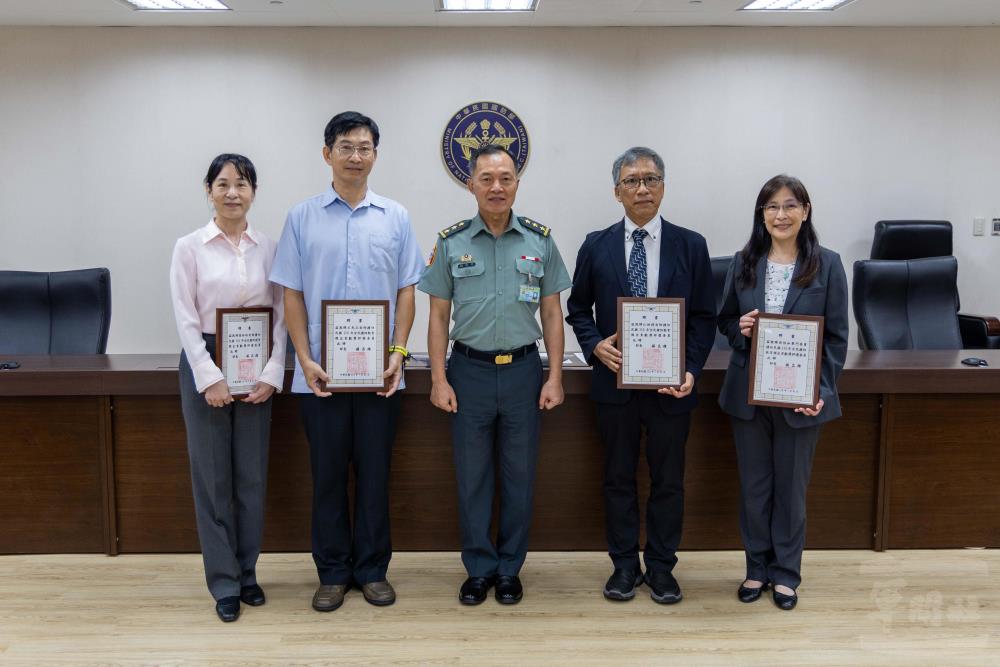 Vice Minister Chung Chairs Two Selection Panels, Calls for Fair Selection of Exemplary Individuals and UnitsVice Minister of National Defense for Armaments General Chung Shu-ming today chaired the 2026 selection meetings for the “Outstanding Contribution Award in All-out Defense Education” and the “Outstanding Armed Forces Personnel and Exemplary Units.” He encouraged panel members to uphold the principles of fairness, impartiality, and transparency, apply their professional expertise, and objectively select outstanding individuals and organizations for recognition of their contributions to all-out defense education and excellence in combat readiness and training. Both meetings were held at the Ministry’s Bo’ai Camp. At the selection meeting for the “Outstanding Contribution Award in All-out Defense Education,” Vice Minister Chung first presented certificates of appointment to the panel members, who then reviewed the individuals and organizations nominated by participating units. At the selection meeting for “Outstanding Armed Forces Personnel and Exemplary Units,” the panel evaluated personnel and units nominated following preliminary selection according to the established criteria. Once the results of both selections are formally approved, the selected individuals and organizations will be publicly recognized at the Ministry’s “2026 Armed Forces Day and All-out Defense Education Day Awards Ceremony.” On behalf of Minister of National Defense Wellington Koo Li-hsiung, Vice Minister Chung thanked the panel members for taking the time to participate. He expressed hope that they would select outstanding individuals and organizations dedicated to advancing all-out defense education, recognize their contributions to national defense, and continue supporting all-out defense education and major defense policies. Regarding the selection of “Outstanding Armed Forces Personnel and Exemplary Units,” Vice Minister Chung said the honorees represent the exceptional performance of Armed Forces personnel over the past year in combat readiness and training, military discipline, and other areas. Their selection also serves as important recognition of the dedication and hard work of frontline personnel and units. He therefore urged panel members to avoid preconceived judgments and ensure that those selected are truly worthy of serving as examples for the entire Armed Forces. Vice Minister Chung also encouraged relevant units to highlight the achievements of the selected personnel and units through a variety of publicity and media channels, showcasing their dedication to combat readiness and training and allowing their example to inspire others. At the same time, service members and units that performed exceptionally well but were not selected should also receive appropriate recognition and encouragement.2026/07/31
 -
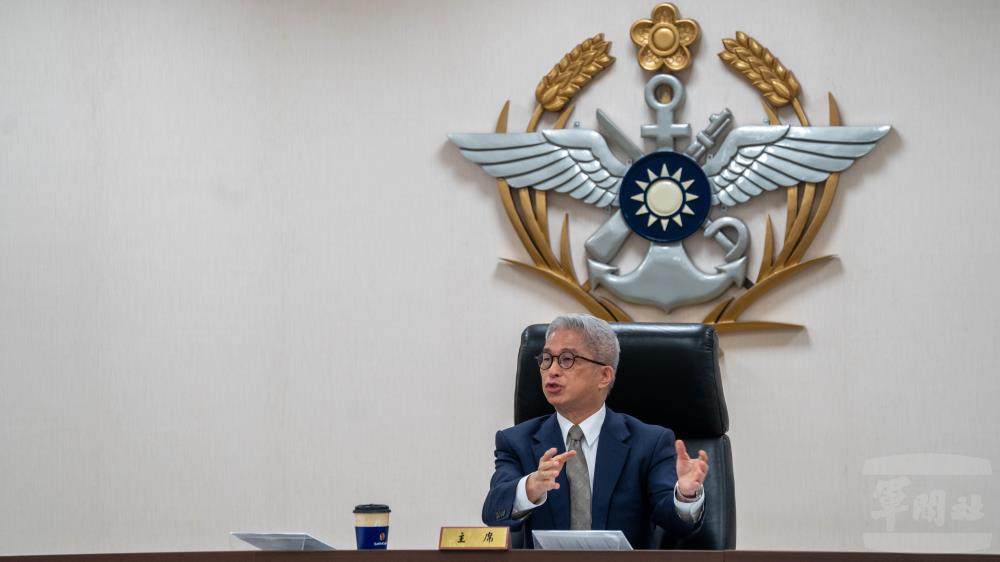 MND Holds Preparatory Meeting for GDI External Expert Assessment, Strengthening Integrity and Good GovernanceThe Ministry of National Defense held its fourth preparatory meeting for the Government Defence Integrity Index (GDI) external expert assessment today at Bo’ai Camp. Chaired by Vice Minister of National Defense Hsu Szu-chien, the meeting brought together leading domestic experts in government ethics and integrity. Through external assessment and internal-external collaboration, the Ministry hopes to gather a broad range of recommendations, enhance transparency and accountability in defense governance, and align its practices with current international trends in integrity and good governance. Vice Minister Hsu explained that the GDI comprehensively assesses countries across five risk areas: political affairs, finance, personnel, military operations, and procurement. It is also an important performance indicator under the Executive Yuan’s “National Integrity Building Action Plan.” Taiwan has participated in three previous GDI assessments and received a B rating, indicating a low risk of corruption, on each occasion. In the most recent assessment, New Zealand was the only one of the 86 countries evaluated to receive an A rating, while Taiwan was the only Asian country to rank among the top 10. These results demonstrate the resilience of Taiwan’s defense institutions and their ability to support the development of a robust and credible deterrent force. Integrity is a vital foundation of national defense, Vice Minister Hsu emphasized. In recent years, Taiwan has steadily advanced defense investment, indigenous defense capabilities, and related reforms. The Ministry has also continued promoting integrity education throughout the Armed Forces, strengthening internal and external controls, and improving integrity governance. Participation in the global GDI assessment allows the Armed Forces, through the collective efforts of government agencies, scholars, experts, and nongovernmental organizations, to demonstrate a law-abiding, pragmatic, and integrity-driven military culture. This further strengthens public confidence in force development, combat readiness, major exercises, and disaster prevention and relief preparations. Vice Minister Hsu also noted that “gender equality” would be introduced as a new topic in the forthcoming GDI assessment. The Ministry has progressively increased the number of women serving as volunteer personnel, continued advancing gender mainstreaming and equality, and worked to create a respectful and inclusive workplace. In closing, Vice Minister Hsu stressed that Taiwan’s strong GDI results had not been achieved overnight. They reflected the combined efforts of government officials, scholars, experts, and every member of the Armed Forces. Their dedication continues to drive the Ministry’s progress. He invited the external scholars and experts attending the meeting to work with the Ministry during the ensuing discussions to further improve its systems and ensure that unlawful conduct, opportunistic wrongdoing, infiltration, and sabotage have no place to hide.2026/07/29
 -
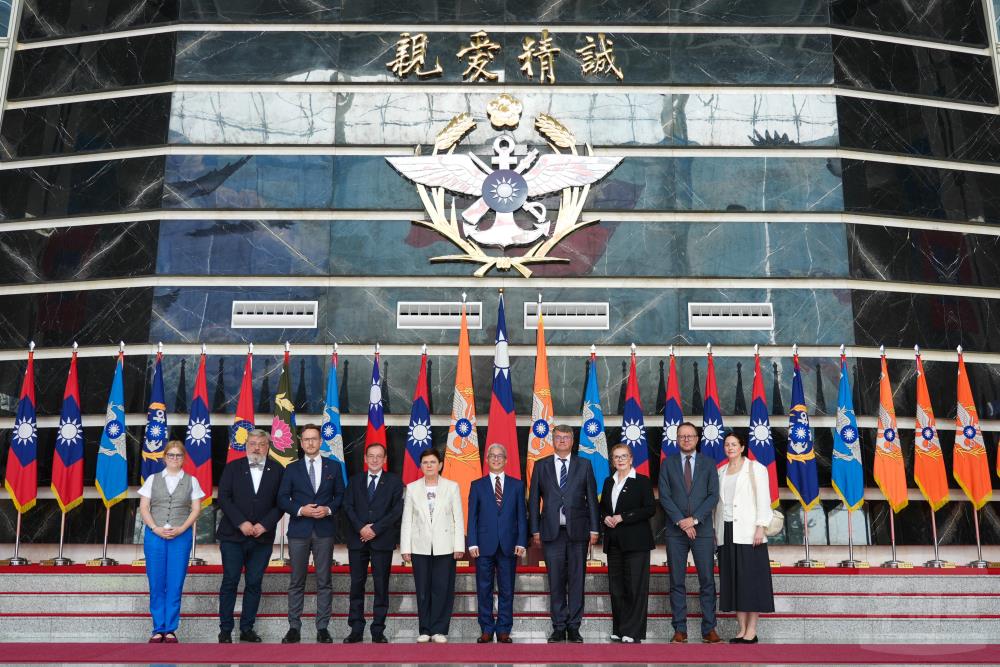 Vice Minister Hsu Receives European Parliament Delegation, Reaffirms Shared Commitment to Regional PeaceVice Minister of National Defense Hsu Szu-chien today received a delegation led by Beata Szydło, a member of the European Parliament’s Special Committee on the European Democracy Shield and former Prime Minister of Poland. The two sides exchanged views on the security situation in the Indo-Pacific, China’s gray-zone harassment, and whole-of-society defense resilience. They also held in-depth discussions on how democracies can jointly respond to authoritarian expansion and deepen security cooperation, demonstrating Taiwan and Europe’s shared commitment to maintaining regional peace and stability. The delegation arrived at the Ministry of National Defense’s Bo’ai Camp this morning, where Vice Minister Hsu welcomed the guests on behalf of the Minister of National Defense, Wellington Koo. In his remarks, Hsu said that China has increasingly employed a combination of military pressure, cognitive warfare, and gray-zone harassment in recent years, posing challenges to security across the Taiwan Strait and throughout the Indo-Pacific. In response, the government is not only continuing to strengthen Taiwan’s defense capabilities, but also actively enhancing digital resilience and cybersecurity to address the risks posed by China-linked supply chains. It is also advancing the development and application of unmanned systems to strengthen overall defense capabilities, preserve Taiwan’s democratic and free way of life, and maintain regional peace and stability. Whole-of-society defense resilience is a vital foundation of national security, Hsu said. Through cooperation between central and local governments, civil society participation, and cross-sector integration, the government is building a more comprehensive national defense framework. Exercises such as the Urban Resilience Exercise are also used to test interagency coordination and civil-military integration. This year’s Urban Resilience Exercise included a network throttling drill for the first time. The drill tested the ability of government agencies and the private sector to respond to compound threats and provided an opportunity to further refine Taiwan’s digital resilience and critical infrastructure protection mechanisms. Vice Minister Hsu thanked the European Parliament for its longstanding attention to security across the Taiwan Strait and its support for Taiwan’s participation in the international community. He said Taiwan would continue deepening exchanges and cooperation with like-minded countries. By sharing experience and expanding cooperation in security, cybersecurity, and whole-of-society defense resilience, Taiwan and its partners can jointly uphold the rules-based international order and safeguard peace, stability, and prosperity in the Indo-Pacific.2026/07/23
 -
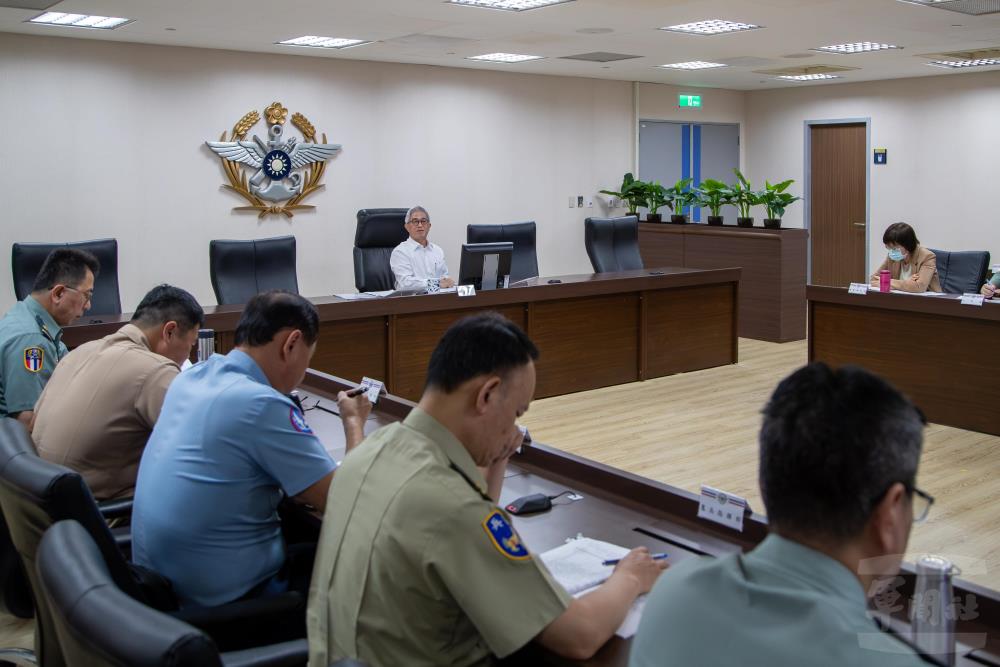 Vice Minister Hsu Encourages Use of AI to Enhance Learning Outcomes at Bilingual Policy Steering Group MeetingVice Minister of National Defense Hsu Szu-chien chaired the 16th meeting of the Ministry of National Defense Bilingual Policy Steering Group today. He encouraged all units to continue refining their bilingual policy initiatives and make effective use of artificial intelligence to improve bilingual learning outcomes and the overall English proficiency of the Armed Forces. Held this morning at the Ministry’s Bo’ai Camp, the meeting reviewed progress in implementing the Ministry’s bilingual policy. Representatives of the military services also reported on their use of AI in bilingual learning, the fielding of newly acquired military equipment, and overseas training programs. Taichung Armed Forces General Hospital and the Republic of China Air Force Academy shared their experiences, providing useful examples for other units implementing bilingual initiatives. Regarding the application of AI, Vice Minister Hsu said that promoting bilingual learning involves more than merely introducing AI tools. It is even more important to evaluate their actual effectiveness. He recommended inviting experts to assess the advantages and disadvantages of different AI tools for bilingual learning. The findings could guide future improvements and enhance the overall quality and effectiveness of learning. Vice Minister Hsu emphasized that exchanges between the Armed Forces and allied and partner countries involve extensive military terminology and other specialized terms. When AI is used to learn or translate military terminology, accuracy must be paramount. Errors in recognition or translation must not be allowed to create communication gaps. Machine learning and validation mechanisms should therefore be used to continually improve system recognition capabilities and specialized terminology databases, ensuring that bilingual applications meet operational needs. Vice Minister Hsu said this year’s bilingual policy would focus on three priorities. First, the Armed Forces will integrate English instruction into specialized on-base training, use the National Development Council’s bilingual learning platform, and engage qualified instructors to strengthen service members’ English proficiency. Second, in line with data governance policy, the Ministry will establish an AI-assisted bilingual learning environment. The Office of the Deputy Chief of the General Staff for Personnel and the Office of the Deputy Chief of the General Staff for Training will oversee military academies and units in promoting self-directed learning. Third, the Ministry will continue working with the National Development Council on an interagency initiative to foster a bilingual-friendly environment and secure relevant resources, comprehensively enhancing bilingual learning outcomes across the Armed Forces. Vice Minister Hsu commended Taichung Armed Forces General Hospital and the Air Force Academy for sharing their experience in implementing bilingual initiatives. He encouraged all units to make effective use of the National Development Council’s bilingual learning platform, refine machine-learning mechanisms, and improve the consistency and effectiveness of their systems to generate greater synergy across the initiative. He also instructed the relevant units to continue reviewing matters requiring further deliberation and to refine the implementation of the Ministry’s bilingual policies.2026/07/01
 -
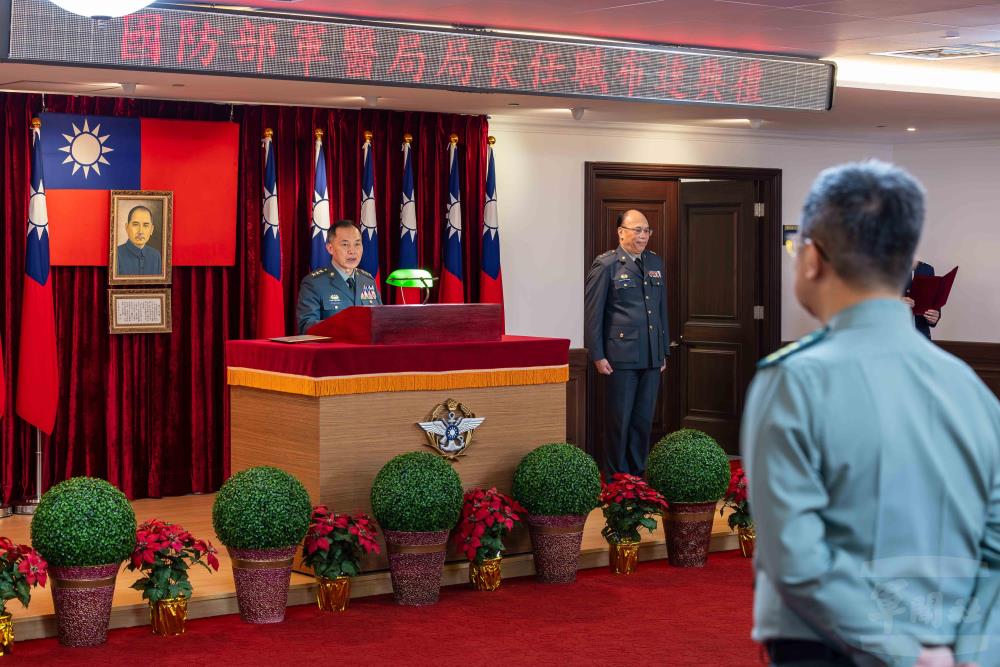 Vice Minister Chung Presides over Medical Affairs Bureau Director-General Assumption of Office Ceremony, Encourages Strengthening of Medical ResilienceVice Minister for Armaments Chung Shu-ming presided over the assumption of office ceremony for the Director-General of the Medical Affairs Bureau today. He encouraged the Medical Affairs Bureau, under the leadership of its new Director-General, Lieutenant General Chen Yuan-hao, to continue advancing four key priorities: strengthening medical resilience, enhancing healthcare quality, sustaining research and innovation, and expanding international exchanges. Through these efforts, he expressed hope that the Bureau would further improve the quality of military healthcare services and medical support operations. The assumption of office ceremony for the Director-General of the Medical Affairs Bureau was held this morning at Bo’ai Camp. During the ceremony, Vice Minister Chung first read the appointment order, after which Lieutenant General Chen took the oath of office and formally assumed his new position. Vice Minister Chung stated that Director-General Chen graduated from the National Defense Medical Center, Class of 1994, and earned a Doctor of Medical Science degree. Throughout his career, he served in several key positions, including Director of the Health Protection Division of the Medical Affairs Bureau, Superintendent of the Songshan Branch of Tri-Service General Hospital, President of the National Defense Medical Center, and Superintendent of Tri-Service General Hospital. Having previously served as Deputy Director-General of the Medical Affairs Bureau, Director Chen was promoted to Director-General and concurrently advanced to the rank of Lieutenant General. Vice Minister Chung noted that Director-General Chen’s extensive professional expertise and leadership experience would enable him to build upon the Bureau’s solid foundation and continue enhancing the quality of military healthcare services and medical professionalism. Vice Minister Chung pointed out that President Lai Ching-te recently presided over the inauguration ceremony of the Emergency and Critical Care Building at the Taoyuan Armed Forces General Hospital and affirmed the Ministry of National Defense’s commitment to safeguarding the health of service members and their dependents. He also noted that the transformation of the National Defense Medical Center into National Defense Medical University demonstrated the military medical system’s significant achievements in talent cultivation, medical education, and military medicine development. Vice Minister Chung emphasized that healthcare and medical support services constituted an essential component of the Armed Forces’ overall logistics system. From disaster response exercises and environmental sanitation maintenance within military units to battlefield triage, casualty treatment, and field medical support operations, all relied on the close cooperation of military medical personnel and medical units. He further noted that medical professionals serving in military hospitals and units at all levels provided daily healthcare and wellness support to service members, making important contributions to sustaining morale and maintaining combat readiness. Finally, Vice Minister Chung encouraged military medical personnel to continue upholding the spirit of serving service members and safeguarding the medical rights and interests of their dependents. He urged them to continuously improve the quality of healthcare services, keep pace with future developments in military medicine, integrate military operational requirements with civilian medical resources, and strengthen military medical technologies and capabilities. Through these efforts, he said, the military medical community would continue providing strong support for the Armed Forces’ combat readiness missions and achieve even greater success in the future.2026/06/01
 -
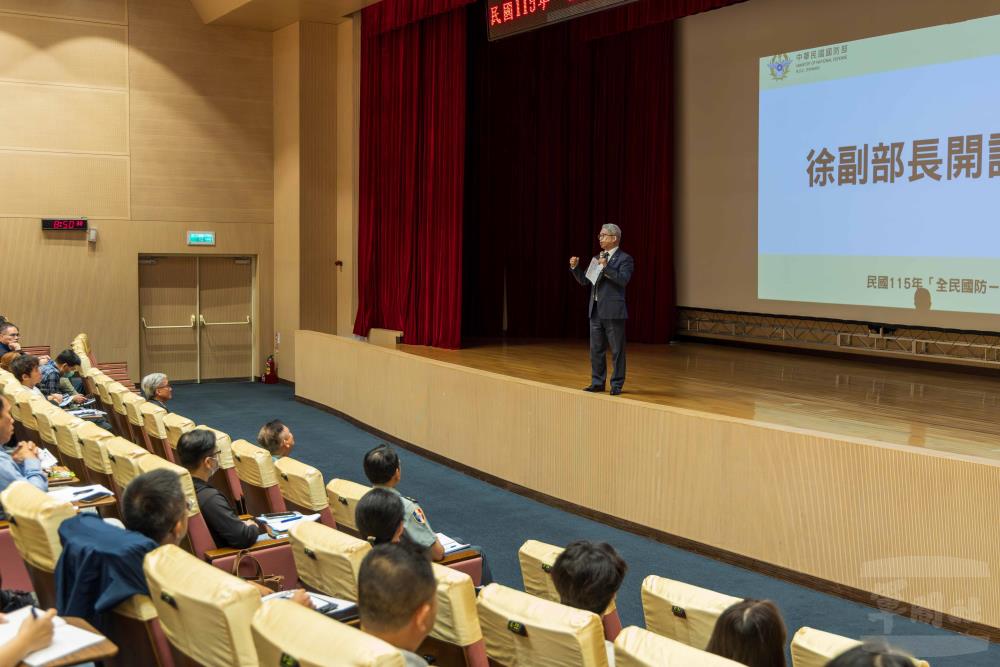 Vice Minister Hsu Presides over All-Out Defense Education Seed Instructor Training WorkshopVice Minister of National Defense Hsu Szu-chien presided today over the Republic of China 2026 “All-Out Defense Education – Social Education” Seed Instructor Training Workshop. On behalf of Minister Wellington Koo Li-hsiung, he welcomed participants from various sectors and encouraged them to strengthen teaching capabilities through professional study, expand the foundation for promoting all-out defense education, build consensus among the public, and enhance Whole-of-Society Defense Resilience. The workshop was held this morning at the Bo’ai Camp. All-out defense affairs personnel recommended by various county and city governments, along with scholars from civil society, participated in the training. The curriculum covered topics such as “National Defense Policy,” “International Situation,” “Media Literacy,” and “All-Out Defense.” Experts and scholars including Director Su Tzu-yun and Researcher Lee Che-chuan from the Institute for National Defense and Security Research were invited to deliver special lectures and analyses. In addition, the Department of Strategic Planning explained the “Special Act on Defense Procurement,” enabling participants to understand its importance to overall national defense. Vice Minister Hsu stated that, facing the future task of promoting all-out defense education, seed instructors had to clearly convey national defense concepts to the public, explaining “why we fought and for whom we fought” — that was, to safeguard the homeland, protect their way of life, and ensure the safety of the 23 million people in Taiwan, Penghu, Kinmen, and Matsu, while clearly recognizing the current security challenges. Vice Minister Hsu pointed out that the war in Ukraine had shown that national defense did not rely solely on military combat power; the key had lain in the will of the entire population to defend the country. Only through the joint participation of the whole society could overall defense strength be formed. He also emphasized that war depended not only on weapons and equipment but also required strong will and resilience to effectively respond to various challenges. Vice Minister Hsu further explained that the forms of modern warfare had evolved rapidly, and unmanned systems had become a key element in operations. Taiwan had possessed advantages in the relevant industry supply chain, particularly holding a critical position in the “non-red supply chain,” and should continue to strengthen development capabilities. At the same time, as Taiwan had been located at the core of the First Island Chain, it had needed to enhance overall defense capabilities in response to changes in the regional situation. Regarding the special defense budget, Vice Minister Hsu pointed out that the relevant planning had been carefully formulated based on overall operational requirements and had covered areas such as strike firepower, intelligence, surveillance and reconnaissance systems, command and control operations, and sustained combat capabilities. He emphasized that all military buildup elements had to be constructed holistically and work in coordination to effectively enhance national defense combat power. Vice Minister Hsu stressed that the allocation of the special budget had been based on overall national defense development needs and coordinated with domestic industry capabilities. Through stable planning and long-term investment, it had strengthened defense self-reliance and supply chain resilience, ensuring the continuous advancement of military buildup and readiness.2026/05/13
 -
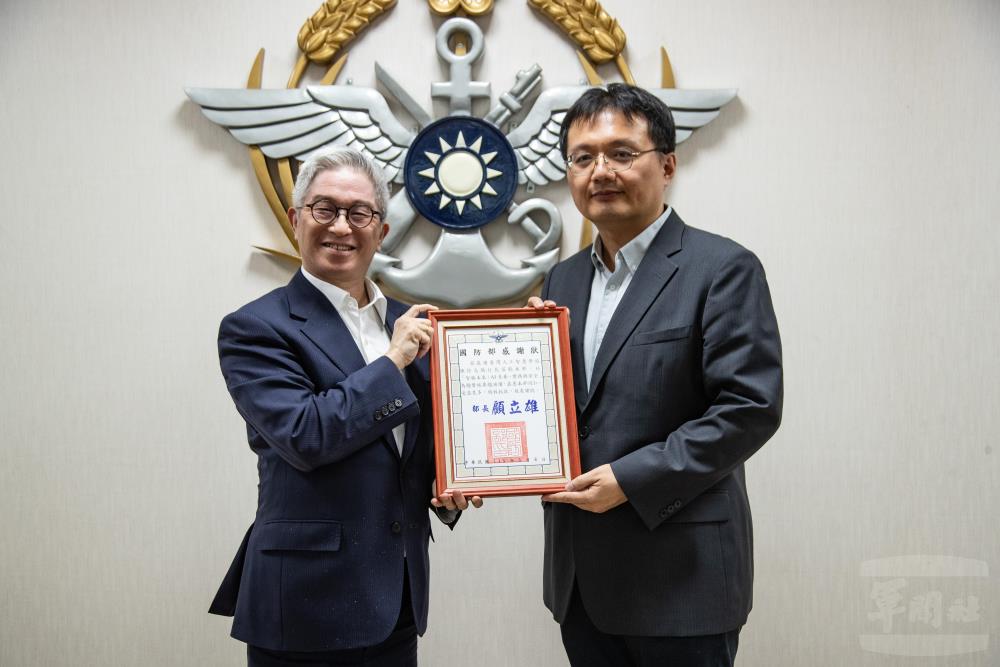 Ministry of National Defense Holds AI Development Concept Seminar – Accelerates Digital Transformation to Build a Modernized MilitaryThe Ministry of National Defense held the “Artificial Intelligence Governance Committee Special Lecture and ROC Armed Forces AI Development Concept Seminar” yesterday (April 8) at the Bo’ai Camp. Vice Minister for Policy Hsu Szu-chien presided over the event and invited National Security Council Advisor Li Yu-chieh to provide guidance. Participants included members of the Ministry’s Artificial Intelligence Governance Committee (unit heads), commands of the three services, the National Defense University, and the National Chung-Shan Institute of Science and Technology. The goal was to draw on practical experience from industry and academia to enhance the AI literacy of the ROC Armed Forces and lay a foundation for promoting AI development in national defense. In his remarks, Vice Minister Hsu stated that lectures only provided inspiration, while implementation was the key. He encouraged commanders at all levels to shift from passive to active approaches and actively apply diverse AI technologies. The Ministry of National Defense fully supported each unit in advancing their projects, hoping that through AI technology, administrative operational efficiency could be effectively improved and new momentum could be injected into the modernization of the ROC Armed Forces. The special lecture invited Dr. Chen Ling-Jyh, Director of the Department of Information Technology Services, Academia Sinica and Chief Executive Officer of the Taiwan AI Academy, to speak on the topic “Winning the Future: AI Literacy, Practice, and Security.” He explained the evolution of AI development from “perception” to “physical embodiment” and shared Academia Sinica’s practical experience, including how they built a “Large Language Model (LLM)” under strict cybersecurity controls, and how they developed speech recognition transcription systems, question-and-answer robots, and document verification tools to effectively resolve pain points in public administration and simplify operational processes. Regarding military applications, Dr. Chen specifically proposed the “Nine Reminders for Promoting Defense AI,” which covered core concepts such as infrastructure resilience and human-machine collaboration. He also explained the risks and challenges of introducing AI, reminding all units to establish mechanisms for verifying the authenticity of information and to strictly prevent the leakage of sensitive data. At the same time, he emphasized that introducing AI technology was an urgent and important task. Only by accelerating the implementation and application of the technology could the digital transformation of the ROC Armed Forces be effectively strengthened. The Ministry of National Defense stated that the AI Project Office’s organization of this special lecture and comprehensive seminar helped integrate common needs across units and initiated the process of advancing the ROC Armed Forces toward digital development.2026/05/09