- Search
Search
Search " Hsu Szu-Chien" ,Match:14 results
-
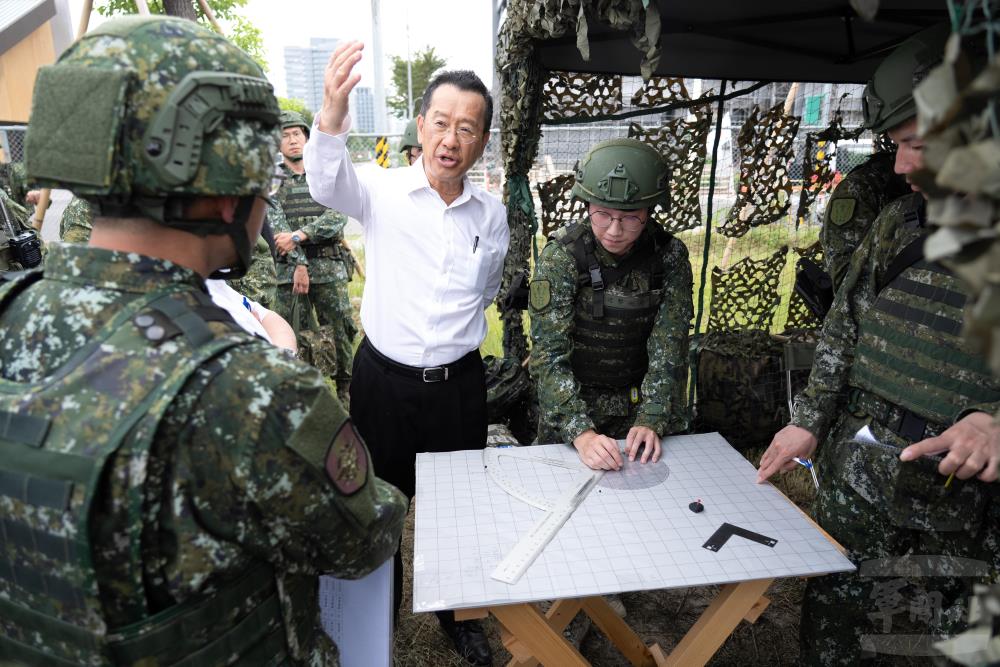
 Vice Minister Hsu Inspects Strategic Communications Exercise, Calls for Stronger Coordination Mechanisms and Defense CapabilitiesVice Minister of National Defense Hsu Szu-chien visited northern Taiwan today to inspect a psychological warfare task force participating in the the live exercise phase of Han Kuang 42 Exercise. He observed the Third Theater of Operations’ strategic communications exercise and the integrated military-civilian dissemination of informational products. He instructed that all measures undertaken during the exercise be incorporated into the After Action Review (AAR) to support continued improvement and the establishment of comprehensive mechanisms for effectively supporting defensive operations. In the afternoon, Vice Minister Hsu, accompanied by Administrative Deputy Minister Lieutenant General Chen Wen-sing, Political Warfare Bureau Deputy Director-General Major General Hu Jui-hsun, Deputy Director of Political Warfare at Army Headquarters Major General Hsieh Yung-wei, and other officials, inspected the Third Theater of Operations’ strategic communications exercise and integrated military-civilian dissemination activities. He reviewed the specifications of the psychological warfare task force’s equipment and its workflow for producing strategic communications materials. He also visited a mobile broadcasting vehicle and an information operations vehicle to examine materials produced during the exercise. The psychological warfare task force explained that, in supporting the Third Theater of Operations, it used the information operations vehicle to produce graphics, videos, and other strategic communications materials tailored to each phase of operations. These materials were disseminated through drones, electronic billboards, and other channels. Mobile broadcasting vehicles were also deployed throughout the theater to broadcast favorable battlefield developments and accurate information. The Northern Area Reserve Command said the exercise not only validated military-civilian integration but also leveraged reserve advisory cadres to strengthen strategic communications within local communities. The Command concurrently conducted an inventory of available resources throughout the theater and established routine liaison mechanisms with individual administrative districts, creating important channels for future strategic communications activities. In his guidance, Vice Minister Hsu commended the various materials produced by the psychological warfare task force. He also praised the Reserve Command for assessing civilian resources throughout the theater and establishing coordination mechanisms during the Han Kuang Exercise. He emphasized that all measures should be incorporated into the AAR, with continued efforts to improve strategic communications materials, strengthen military-civilian cooperation, and develop feasible approaches for further validation in next year’s exercise. These efforts will enable psychological warfare units to support defensive operations effectively and enhance overall defense capabilities.2026/08/13
 -
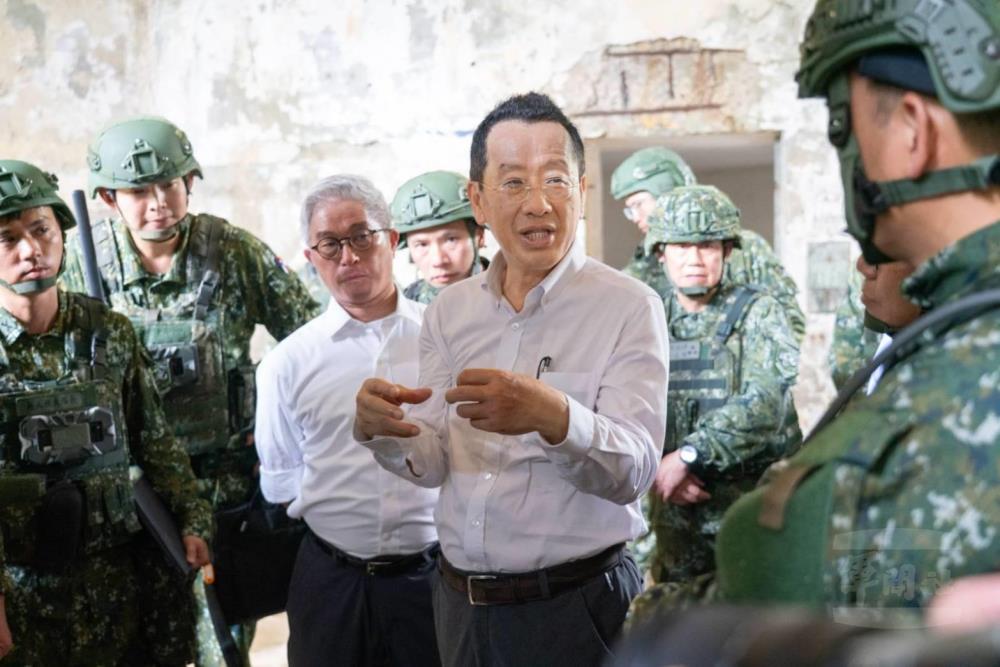
 Minister Koo Inspects Training Units in Taipei, Calls for Active-Reserve Integration to Enhance Overall Combat CapabilitiesMinister of National Defense Wellington Koo Li-hsiung visited the Greater Taipei area today to inspect units participating in the live exercise phase of Han Kuang 42 Exercise. He observed reserve-force mobilization and combat power regeneration, the defense of clustered strongpoints, and joint counter-airborne and counter-air-assault drills. He commended the efforts of thetheater of operationsto integrate active and reserve forces effectively and enhance overall defense capabilities. Accompanied by Vice Minister of National Defense Hsu Szu-chien and other officials, Minister Koo began his inspection by receiving a mission briefing from the Taipei Brigade. He reviewed the brigade’s progress in regenerating combat power following full mobilization, as well as its overall plans for reserve forces to conduct mutually supporting and coordinated defensive operations. During the inspection, personnel from the mortar battalion demonstrated 120 mm mortar firing procedures, showcasing their training achievements and ability to provide fire support following mobilization. Minister Koo also spoke with mobilized reservists about their professional expertise and what they had gained from refresher training, and invited them to offer suggestions drawn from that experience. Minister Koo said reserve cadres should understand the professional backgrounds and experience of mobilized reservists and assign them suitable duties according to the principle of “matching personnel to appropriate roles.” This would allow reservists to apply their expertise in the right positions and rapidly translate their expertise into combat power. He added that, in accordance with the overall operational concept, active and reserve forces must be effectively integrated, with forces and firepower appropriately deployed to maximize overall operational effectiveness. Minister Koo later inspected a field drill conducted by personnel from the 229th Military Police Battalion, the 66th Marine Brigade, and the Taipei Brigade to counter airborne and air assault operations. He reviewed their overall command-and coordination capabilities and their ability to employ forces effectively. Minister Koo recognized the dedication and hard work of active-duty personnel and mobilized reservists in combat-readiness training. He encouraged them to continue their efforts and work together to transform their exercise and training experience into solid combat capabilities for safeguarding national security.2026/08/12
 -
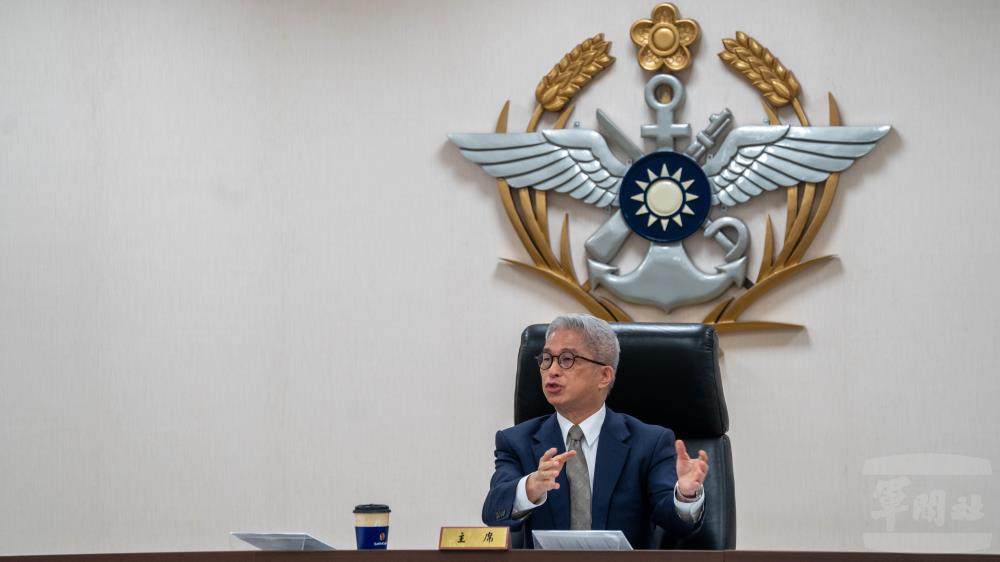
 Minister Koo Inspects Exercise Units, Reviews Tactical Drone Operations and Battlefield AdditiveManufacturingMinister of National Defense Wellington Koo Li-hsiung visited units participating in the field-training phase of the “Han Kuang 42 Exercise” in Taoyuan today. He reviewed the tactical employment of drones for battlefield surveillance and reconnaissance, intelligence transmission, and strikes, as well as the use of 3D-printing technology for “battlefield additive manufacturing ” of drone components. He also thanked participating service members for their tireless efforts. Accompanied by Vice Minister of National Defense Hsu Szu-chien, Vice Chief of the General Staff (Executive) General Huang Chih-wei, and other officials, Minister Koo first received battlefield briefings from the operational sector command and drone units. He then observed personnel operating various types of drones to conduct battlefield surveillance, reconnaissance, and strikes. He also discussed plans for wartime defense in depth, successive resistance operations, and wartime transportation control with senior officers. Minister Koo later visited a drone unit’s tactical position, where he inspected its 3D-printing equipment and reviewed its processes and capacity for “battlefield additive manufacturing ”. Minister Koo said drone operations require the integrated planning of surveillance, reconnaissance, intelligence transmission, command and control, and strike capabilities according to the operational environment and mission requirements. These capabilities must be closely aligned with operational concepts, while different types of weapons and equipment should be employed flexibly to enhance battlefield awareness, real-time response, and precision-strike capabilities, thereby maximizing overall operational effectiveness. Relevant units should develop capabilities for battlefield additive manufacturing , rapid repair, and resupply. Technologies such as 3D printing can support a distributed, rapid, and sustainable maintenance and replenishment mechanism. These capabilities should also be repeatedly validated through exercises to strengthen operational resilience and sustainability . Later, Minister Koo visited an Air Force unit to review its operational capabilities, force deployment, protective force disposition, and defensive area of responsibility. He provided guidance on the employment of combat power and firepower, the maintenance of command-and-control links, and protection of defensive positions. These efforts are intended to strengthen units’ mobile deployment, backup capabilities , and sustained operational capabilities in response to enemy threats and changing battlefield conditions, ensuring the effective execution of all operational missions.2026/08/11
 -
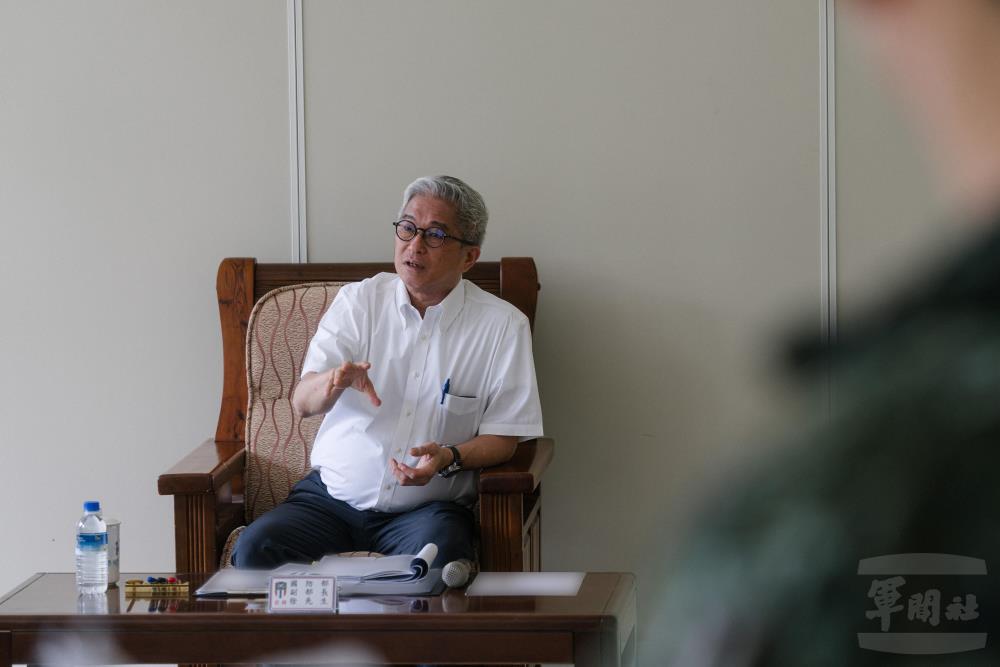
 MND Holds Preparatory Meeting for GDI External Expert Assessment, Strengthening Integrity and Good GovernanceThe Ministry of National Defense held its fourth preparatory meeting for the Government Defence Integrity Index (GDI) external expert assessment today at Bo’ai Camp. Chaired by Vice Minister of National Defense Hsu Szu-chien, the meeting brought together leading domestic experts in government ethics and integrity. Through external assessment and internal-external collaboration, the Ministry hopes to gather a broad range of recommendations, enhance transparency and accountability in defense governance, and align its practices with current international trends in integrity and good governance. Vice Minister Hsu explained that the GDI comprehensively assesses countries across five risk areas: political affairs, finance, personnel, military operations, and procurement. It is also an important performance indicator under the Executive Yuan’s “National Integrity Building Action Plan.” Taiwan has participated in three previous GDI assessments and received a B rating, indicating a low risk of corruption, on each occasion. In the most recent assessment, New Zealand was the only one of the 86 countries evaluated to receive an A rating, while Taiwan was the only Asian country to rank among the top 10. These results demonstrate the resilience of Taiwan’s defense institutions and their ability to support the development of a robust and credible deterrent force. Integrity is a vital foundation of national defense, Vice Minister Hsu emphasized. In recent years, Taiwan has steadily advanced defense investment, indigenous defense capabilities, and related reforms. The Ministry has also continued promoting integrity education throughout the Armed Forces, strengthening internal and external controls, and improving integrity governance. Participation in the global GDI assessment allows the Armed Forces, through the collective efforts of government agencies, scholars, experts, and nongovernmental organizations, to demonstrate a law-abiding, pragmatic, and integrity-driven military culture. This further strengthens public confidence in force development, combat readiness, major exercises, and disaster prevention and relief preparations. Vice Minister Hsu also noted that “gender equality” would be introduced as a new topic in the forthcoming GDI assessment. The Ministry has progressively increased the number of women serving as volunteer personnel, continued advancing gender mainstreaming and equality, and worked to create a respectful and inclusive workplace. In closing, Vice Minister Hsu stressed that Taiwan’s strong GDI results had not been achieved overnight. They reflected the combined efforts of government officials, scholars, experts, and every member of the Armed Forces. Their dedication continues to drive the Ministry’s progress. He invited the external scholars and experts attending the meeting to work with the Ministry during the ensuing discussions to further improve its systems and ensure that unlawful conduct, opportunistic wrongdoing, infiltration, and sabotage have no place to hide.2026/07/29
 -
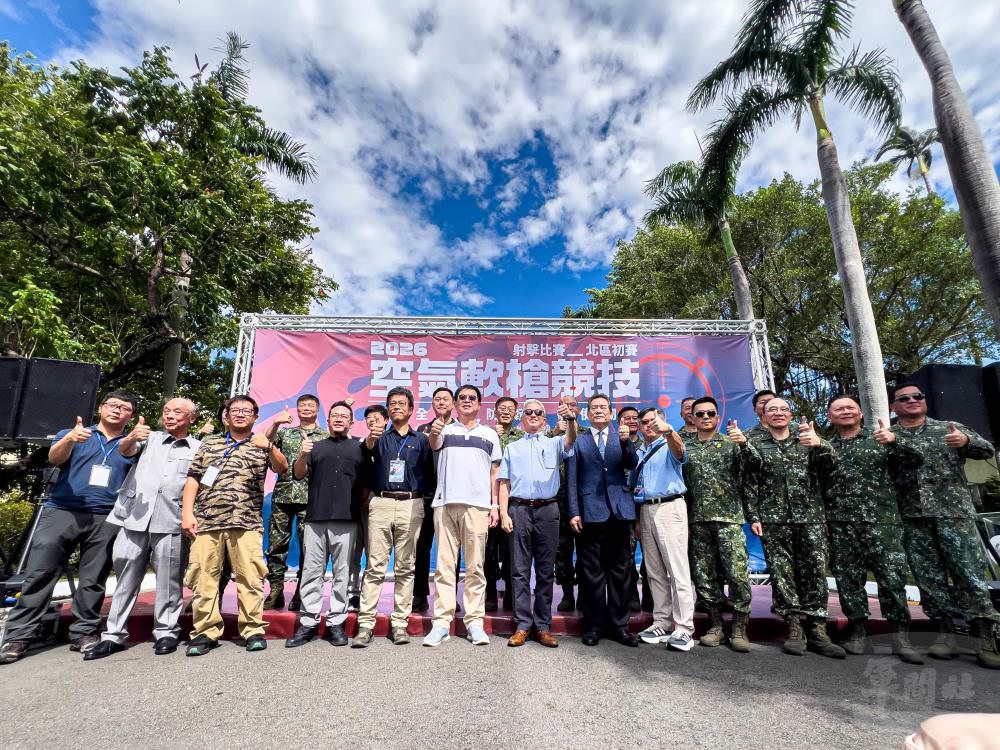 Vice Minister Hsu Presides Over Northern Preliminary Round of Airsoft Shooting Competition, Strengthening Whole-of-Society Defense ResilienceThe Ministry of National Defense’s “2026 National Airsoft Shooting Competition, Northern Preliminary Round” opened today at Fu Hsing Kang College. Presided over by Vice Minister of National Defense Hsu Szu-chien, the event featured competitive airsoft shooting, close-quarters battle (CQB), and simulated battlefield scenarios. Twenty teams comprising 107 reservists from cities and counties across northern Taiwan participated. Military equipment displays and drone demonstrations also attracted nearly 10,000 visitors. The event aimed to deepen all-out defense education and strengthen whole-of-society defense resilience. Vice Minister Hsu presided over the opening ceremony at the National Defense University’s Fu Hsing Kang College campus. Attendees included National Security Council Advisors Huang Chung-yen and Liu Te-chin; Deputy Secretary-General Lii Wen; National Cultural Association of Taiwan Secretary-General Lee Hou-ching; Chief of Army General Lu Kun-xiu; All-out Defense Mobilization Agency Director-General Lieutenant General Liao Chien-shing; Reserve Command Commander Lieutenant General Yu Wen-chen; National Defense University Vice President Lieutenant General Liu Pei-chih; Sixth Army Corps Commander Lieutenant General Lien Chih-wei; Political Warfare Bureau Director-General Lieutenant General Shih Shun-wen; and local village and neighborhood chiefs. In his opening remarks, Vice Minister Hsu first expressed his sincere appreciation to the National Security Council and the organizing units, while paying his highest respects to all participating teams. He said the competition had been made possible by everyone’s collective effort and participation. Hsu explained that the airsoft shooting competition series was initiated at the President’s direction. Under the guidance of the National Security Council and with assistance from the Ministry of the Interior, education authorities, the National Cultural Association of Taiwan, and other organizations, the MND organized the event in partnership with the National Defense Education Association and Formosa Defense Vision. Taiwan’s national security is underpinned not only by its semiconductor and AI industries, but also by the many civil society organizations and businesses that support the country. Reservists and civil defense teams likewise play a vital role in strengthening whole-of-society defense resilience, Vice Minister Hsu noted. Hsu emphasized that the competition was more than a sporting event. It also served as an important platform for strengthening whole-of-society defense resilience. Competitive shooting helps participants develop concentration, judgment, mental resilience, and the ability to respond under pressure, while most importantly fostering teamwork. He added that the value of the competition lay not merely in winning or losing, but in exchanging experience, learning from one another, and growing together. He encouraged participants to uphold the principles of “safety first, fair competition, and friendship through shooting,” follow the rules, respect the judges’ decisions, and demonstrate good sportsmanship. Regardless of the results, every participant who embraced the challenge and gave their all deserving recognition as a winner. Vice Minister Hsu and the attending guests then conducted the opening ceremony and fired the ceremonial first shots. He subsequently visited exhibits presented by the police, fire services, reservists, and the Armed Forces to learn more about their displays. He also thanked participating service members for their hard work and presented an additional food allowance to the units involved. Held in conjunction with the opening of Fu Hsing Kang College campus to the public, the event also featured military equipment displays, drone demonstrations, and interactive all-out defense education exhibits. Through these diverse displays and direct public engagement, the Ministry hopes to deepen all-out defense education, promote whole-of-society defense resilience, and put into practice the conviction to “preserve peace through strength and defend our homeland through action.”2026/07/25
 -
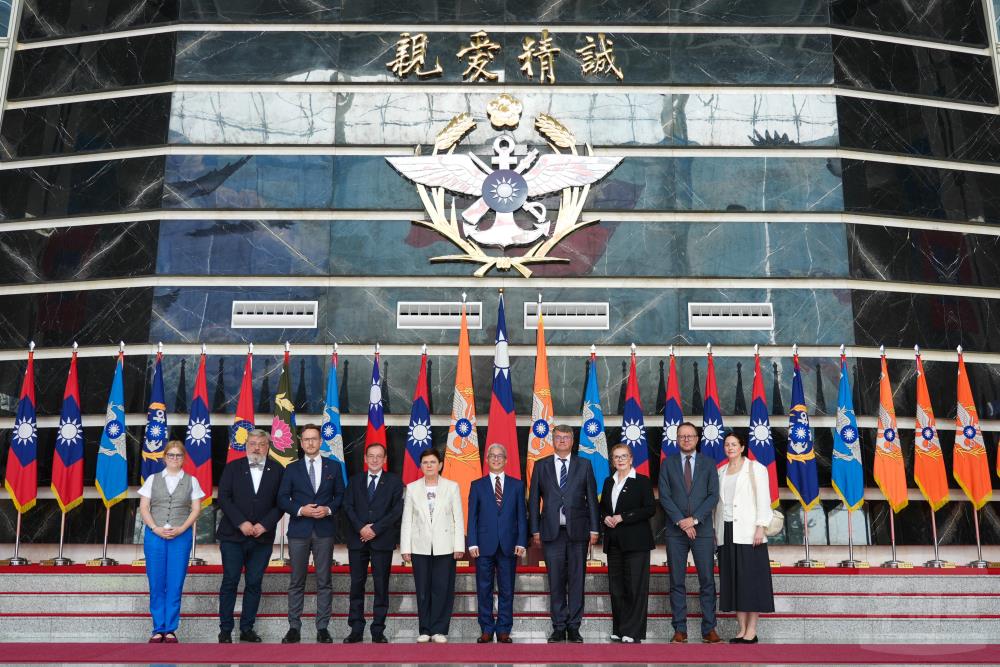 Vice Minister Hsu Receives European Parliament Delegation, Reaffirms Shared Commitment to Regional PeaceVice Minister of National Defense Hsu Szu-chien today received a delegation led by Beata Szydło, a member of the European Parliament’s Special Committee on the European Democracy Shield and former Prime Minister of Poland. The two sides exchanged views on the security situation in the Indo-Pacific, China’s gray-zone harassment, and whole-of-society defense resilience. They also held in-depth discussions on how democracies can jointly respond to authoritarian expansion and deepen security cooperation, demonstrating Taiwan and Europe’s shared commitment to maintaining regional peace and stability. The delegation arrived at the Ministry of National Defense’s Bo’ai Camp this morning, where Vice Minister Hsu welcomed the guests on behalf of the Minister of National Defense, Wellington Koo. In his remarks, Hsu said that China has increasingly employed a combination of military pressure, cognitive warfare, and gray-zone harassment in recent years, posing challenges to security across the Taiwan Strait and throughout the Indo-Pacific. In response, the government is not only continuing to strengthen Taiwan’s defense capabilities, but also actively enhancing digital resilience and cybersecurity to address the risks posed by China-linked supply chains. It is also advancing the development and application of unmanned systems to strengthen overall defense capabilities, preserve Taiwan’s democratic and free way of life, and maintain regional peace and stability. Whole-of-society defense resilience is a vital foundation of national security, Hsu said. Through cooperation between central and local governments, civil society participation, and cross-sector integration, the government is building a more comprehensive national defense framework. Exercises such as the Urban Resilience Exercise are also used to test interagency coordination and civil-military integration. This year’s Urban Resilience Exercise included a network throttling drill for the first time. The drill tested the ability of government agencies and the private sector to respond to compound threats and provided an opportunity to further refine Taiwan’s digital resilience and critical infrastructure protection mechanisms. Vice Minister Hsu thanked the European Parliament for its longstanding attention to security across the Taiwan Strait and its support for Taiwan’s participation in the international community. He said Taiwan would continue deepening exchanges and cooperation with like-minded countries. By sharing experience and expanding cooperation in security, cybersecurity, and whole-of-society defense resilience, Taiwan and its partners can jointly uphold the rules-based international order and safeguard peace, stability, and prosperity in the Indo-Pacific.2026/07/23
 -
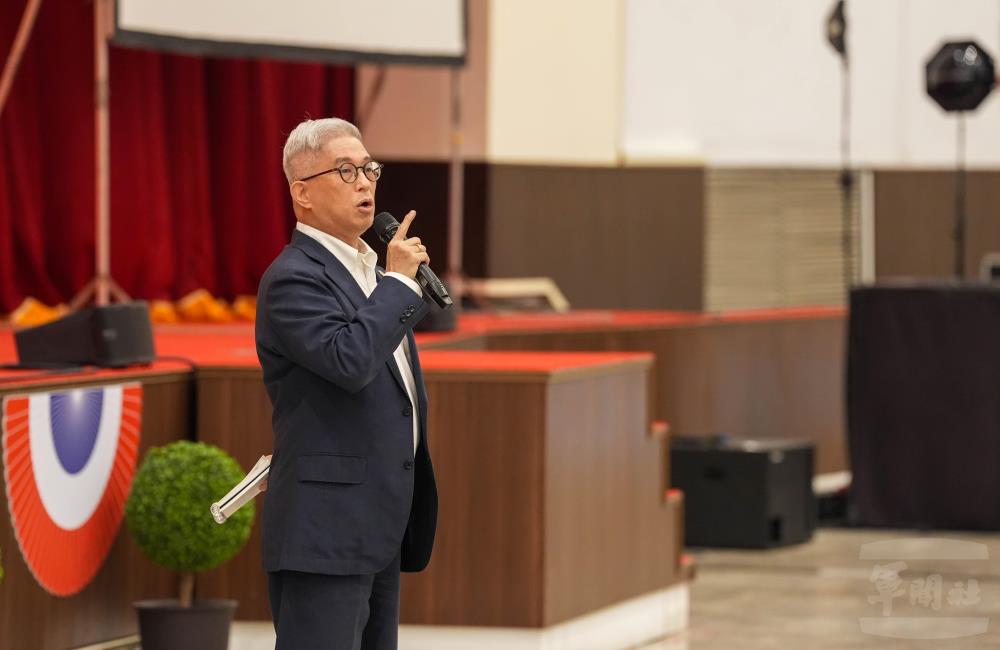 Vice Minister Hsu Encourages Newly Commissioned Officers to Uphold Their Patriotic Convictions and Defend National SecurityVice Minister of National Defense Hsu Szu-chien visited the National Defense University’s Fu Hsing Kang College campus today to preside over the completion ceremony for the 2026 Anti-Communist and Patriotic Education Program for the Armed Forces’ eight military academies and institutions. Addressing the newly commissioned second lieutenants, he outlined five key dimensions confronting the Armed Forces: what they are defending, the hostile forces they face, the current strategic environment, the nature of modern warfare, and their core objectives. He encouraged the officers to remain steadfast in their patriotic convictions, deepen their understanding of the adversary, and shoulder the shared responsibility of defending the nation and protecting its people. Vice Minister Hsu urged the officers to develop a sound understanding of their country, fully appreciate Taiwan’s democratic and free values, and recognize the responsibility shared by all citizens to safeguard the nation. He emphasized that national defense is not only about maintaining national security, but also carries the vital mission of protecting Taiwan’s democratic system and free way of life. Vice Minister Hsu observed that regional conditions are changing rapidly and gray-zone threats are continuing to grow. All service members must therefore keep abreast of developments in international strategy, deepen their understanding of the adversary, and assess regional security conditions objectively and rationally. They must also heighten their awareness of potential crises and strengthen their response capabilities. Only by fostering a sound understanding of national defense can Taiwan effectively enhance its overall defense resilience. Turning to the evolving nature of modern warfare, Vice Minister Hsu cited the Russia-Ukraine war, the United States’ military operation against Venezuela, and the war with Iran as recent examples. Capabilities involving unmanned systems, artificial intelligence, intelligence integration, autonomous systems, and asymmetric warfare have become major factors shaping the battlefield. In addition to continually enhancing education and training, future defense development will harness technological advances and innovative thinking to strengthen command and control and improve the Armed Forces’ overall response capabilities, thereby increasing the effectiveness of defense operations. During the event, Vice Minister Hsu also held a discussion with the newly commissioned officers. The officers took the opportunity to raise numerous questions and exchange views with him on the issues outlined above. He addressed each question in turn and explained the current circumstances surrounding it, making for a lively and engaging discussion. In closing, Vice Minister Hsu offered the officers eight slogans: “strengthen the military through technology, defeat the enemy through innovation, deter aggression, prevent war, build strength, secure peace, safeguard democracy, and defend the nation.” He encouraged the newly commissioned officers, as future leaders of the Armed Forces, to continually develop their professional knowledge and skills and incorporate the principles of patriotic education into their daily duties and leadership. By strengthening unity within their units and working together to safeguard democracy, freedom, and national security, they can preserve peace and stability through strength and fulfill their responsibility to defend the nation and protect its people.2026/07/05
 -
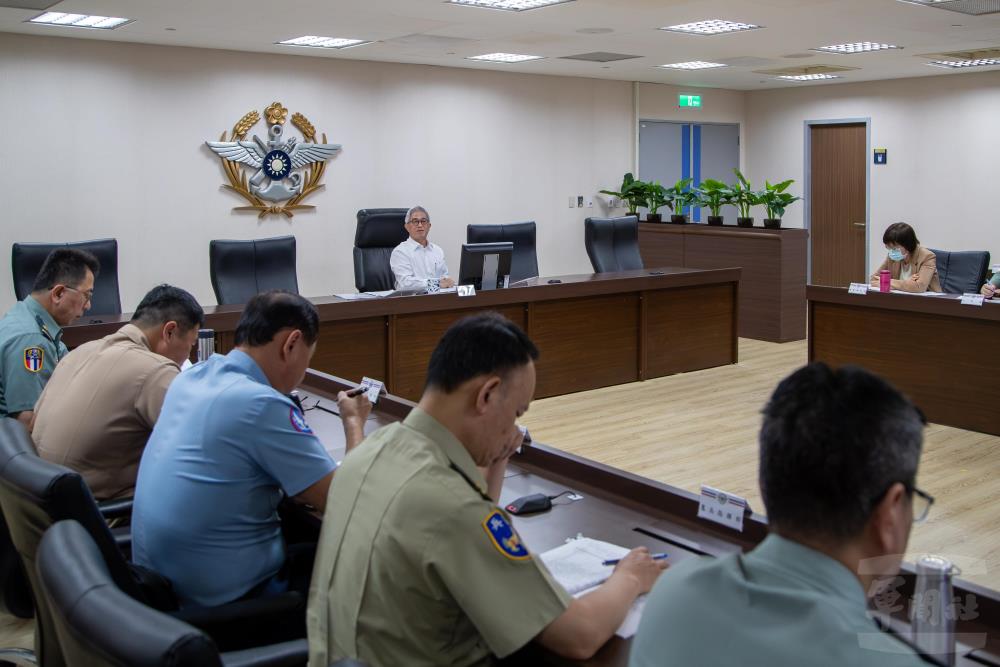 Vice Minister Hsu Encourages Use of AI to Enhance Learning Outcomes at Bilingual Policy Steering Group MeetingVice Minister of National Defense Hsu Szu-chien chaired the 16th meeting of the Ministry of National Defense Bilingual Policy Steering Group today. He encouraged all units to continue refining their bilingual policy initiatives and make effective use of artificial intelligence to improve bilingual learning outcomes and the overall English proficiency of the Armed Forces. Held this morning at the Ministry’s Bo’ai Camp, the meeting reviewed progress in implementing the Ministry’s bilingual policy. Representatives of the military services also reported on their use of AI in bilingual learning, the fielding of newly acquired military equipment, and overseas training programs. Taichung Armed Forces General Hospital and the Republic of China Air Force Academy shared their experiences, providing useful examples for other units implementing bilingual initiatives. Regarding the application of AI, Vice Minister Hsu said that promoting bilingual learning involves more than merely introducing AI tools. It is even more important to evaluate their actual effectiveness. He recommended inviting experts to assess the advantages and disadvantages of different AI tools for bilingual learning. The findings could guide future improvements and enhance the overall quality and effectiveness of learning. Vice Minister Hsu emphasized that exchanges between the Armed Forces and allied and partner countries involve extensive military terminology and other specialized terms. When AI is used to learn or translate military terminology, accuracy must be paramount. Errors in recognition or translation must not be allowed to create communication gaps. Machine learning and validation mechanisms should therefore be used to continually improve system recognition capabilities and specialized terminology databases, ensuring that bilingual applications meet operational needs. Vice Minister Hsu said this year’s bilingual policy would focus on three priorities. First, the Armed Forces will integrate English instruction into specialized on-base training, use the National Development Council’s bilingual learning platform, and engage qualified instructors to strengthen service members’ English proficiency. Second, in line with data governance policy, the Ministry will establish an AI-assisted bilingual learning environment. The Office of the Deputy Chief of the General Staff for Personnel and the Office of the Deputy Chief of the General Staff for Training will oversee military academies and units in promoting self-directed learning. Third, the Ministry will continue working with the National Development Council on an interagency initiative to foster a bilingual-friendly environment and secure relevant resources, comprehensively enhancing bilingual learning outcomes across the Armed Forces. Vice Minister Hsu commended Taichung Armed Forces General Hospital and the Air Force Academy for sharing their experience in implementing bilingual initiatives. He encouraged all units to make effective use of the National Development Council’s bilingual learning platform, refine machine-learning mechanisms, and improve the consistency and effectiveness of their systems to generate greater synergy across the initiative. He also instructed the relevant units to continue reviewing matters requiring further deliberation and to refine the implementation of the Ministry’s bilingual policies.2026/07/01
 -
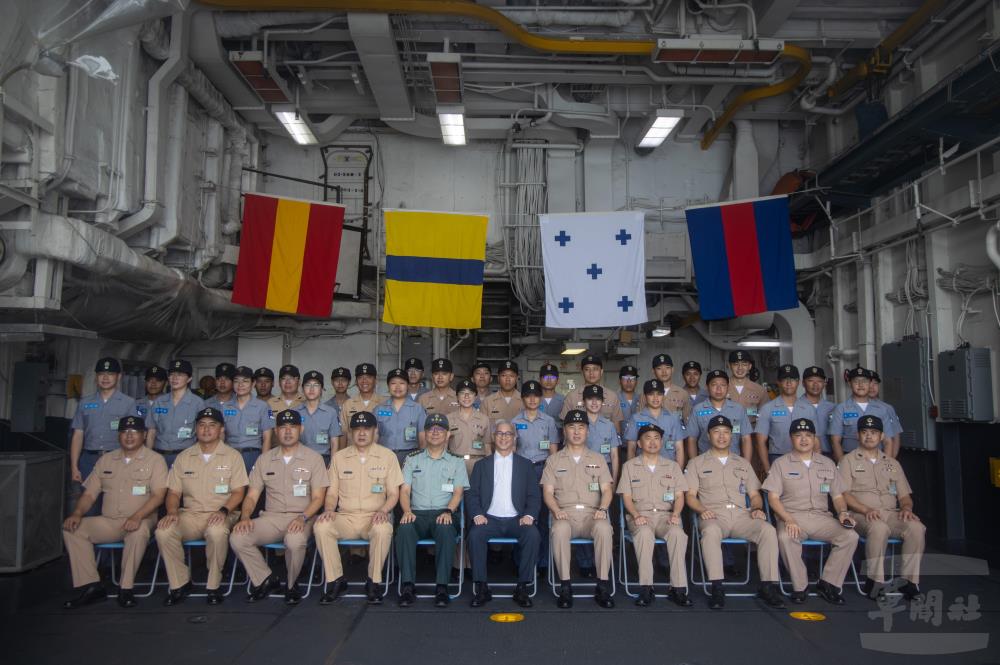 Vice Minister Hsu Visits Yilan Garrison, Commends Service Members for Their Dedication and Extends Dragon Boat Festival WishesVice Minister for Policy Hsu Szu-chien visited the Yilan area today. He successively visited Army and Navy units, learned about their combat readiness training status, and expressed high appreciation and commendation for the officers’ and enlisted personnel’s dedication in steadfastly holding their posts to defend the homeland. Accompanied by Admiral Chiang, Chief of Navy, Navy Headquarters, Lieutenant General Chen, Chief of Staff, Army Headquarters, and Lieutenant General Lien, Commander of the 6th Army Corps, among others, Vice Minister Hsu visited units including the 168th Fleet and the Lanyang Regional Command. He received unit briefings, gained a detailed understanding of combat readiness preparations, expressed concern for the officers’ and enlisted personnel’s living conditions and leave arrangements, and, on behalf of Minister Wellington Koo Li-hsiung, presented bonuses to commend them for their hard work in fulfilling daily missions and maintaining their posts. Vice Minister Hsu stated that on the eve of the Dragon Boat Festival, he made a special visit to the units to convey Minister Koo’s care and encouragement. He reminded commanders at all levels to fulfill their responsibility in taking care of their brothers and sisters, and extended early wishes for a happy and peaceful Dragon Boat Festival. Vice Minister Hsu mentioned that last week all officers and enlisted personnel had diligently participated in the Tianma Exercise and delivered outstanding performance. All shooting tasks hit their targets. This not only validated the results of their solid training but also demonstrated the units’ overall combat capabilities. He expressed appreciation for their efforts and dedication. Vice Minister Hsu emphasized that ROC Armed Forces officers and enlisted personnel shouldered the heavy responsibility of defending the homeland. He encouraged all personnel to persistently refine their core training tasks, implement various combat readiness preparations, maintain high vigilance and response capabilities, ensure that units remain in the highest state of combat readiness, and jointly safeguard national security.2026/06/09
 -
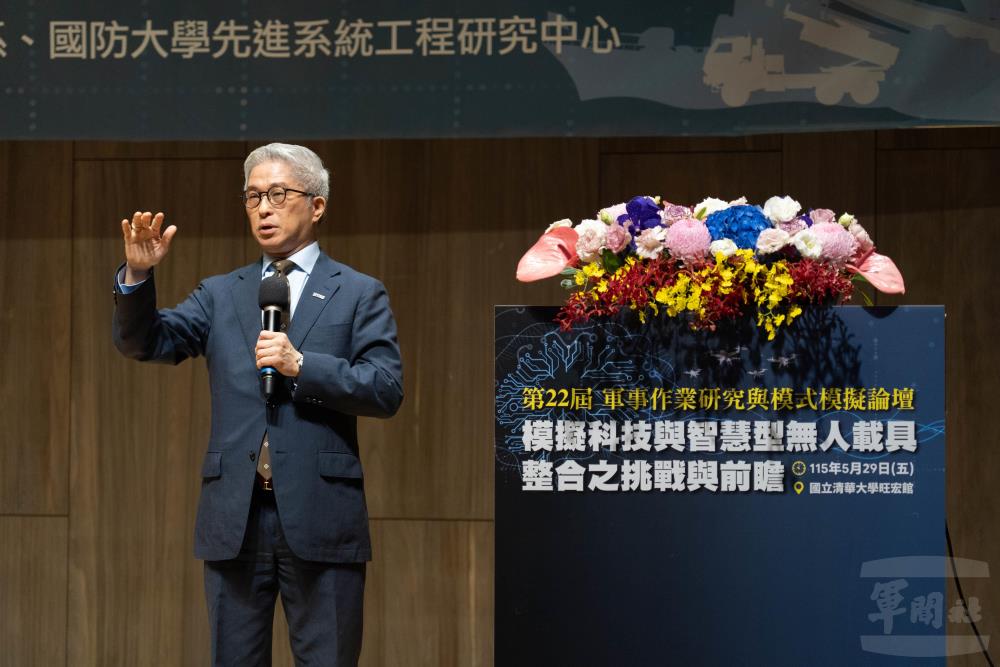 MND and National Tsing Hua University Hold Forum to Advance Defense Capabilities Through TechnologyThe 22nd Military Operations Research and Modeling and Simulation Forum was held today at National Tsing Hua University. Vice Minister of National Defense Hsu Szu-chien and National Tsing Hua University President W. John Kao jointly attended the opening ceremony. Experts and scholars from various sectors were invited to exchange views on key defense technology issues, including artificial intelligence (AI), modeling and simulation, autonomous systems, and unmanned systems, with the aim of enhancing the nation’s overall scientific research capabilities. Vice Minister Hsu stated that rapid changes in the international security environment and advances in technology had transformed the nature of modern warfare. He noted that unmanned systems and AI technologies had become critical components of future defense capabilities. Emphasizing that “technology is the future of the Republic of China, and Taiwan’s technological development has always remained at the forefront of innovation,” he expressed hope that Taiwan’s technology sector would continue contributing to the development of the national defense industry and strengthening the nation’s defense capabilities. Vice Minister Hsu further pointed out that one of the key challenges facing defense technology development involved not only unmanned systems themselves but also the integration of various weapons platforms and systems. This included the effective integration of domestically developed and foreign-procured equipment. He noted that substantial technological support was required to enable rapid target identification, threat assessment, and weapons allocation, thereby enhancing overall defense operational effectiveness. President W. John Kao stated that military technology had long served not only as a driving force behind national defense development but also as the source of many innovations that had transformed modern life. Technologies such as the Internet and the Global Positioning System (GPS) had originated from military research and development efforts, demonstrating that the defense sector had also been a significant catalyst for technological innovation. President Kao noted that National Tsing Hua University had long been committed to promoting technological innovation and technology transfer. Earlier this year, the university established the nation’s first university-led “Tsing Hua University Science Park” to further integrate campus research capabilities and accelerate the transition of research outcomes from laboratories to society and industry. He also announced that the university would soon launch the NT$1 billion “Tsing Hua Future Fund,” which would provide resources to help researchers, students, and industry partners overcome the so-called “valley of death” in the innovation process and further strengthen Taiwan’s technological competitiveness. During the keynote session, Professor Shang-Hong Lai of the Department of Computer Science at National Tsing Hua University delivered a presentation titled “Applications of Artificial Intelligence in National Defense,” in which he explored the use of AI technologies in defense-related scenarios. In addition, Dr. Shih-Pin Kou, Senior Advisor at the National Defense University, presented “How Autonomous Edge Uses Decentralized Command to Direct Autonomous Unmanned Operations,” sharing recent developments in autonomous operations and distributed command systems. Furthermore, exhibition booths established by universities, manufacturers, and enterprises from Taiwan and abroad were displayed around the forum venue, showcasing a wide range of defense-related technologies and capabilities. Exhibits included modeling and simulation systems, intelligent training solutions, AI-assisted decision-making technologies, unmanned aerial vehicles, unmanned ground vehicles, unmanned underwater vehicles, counter-drone systems, digital battlefield services, and autonomous command-and-control solutions. These exhibits highlighted the latest achievements in the development of intelligent defense technologies.2026/05/29