- MNA News
MNA News
-
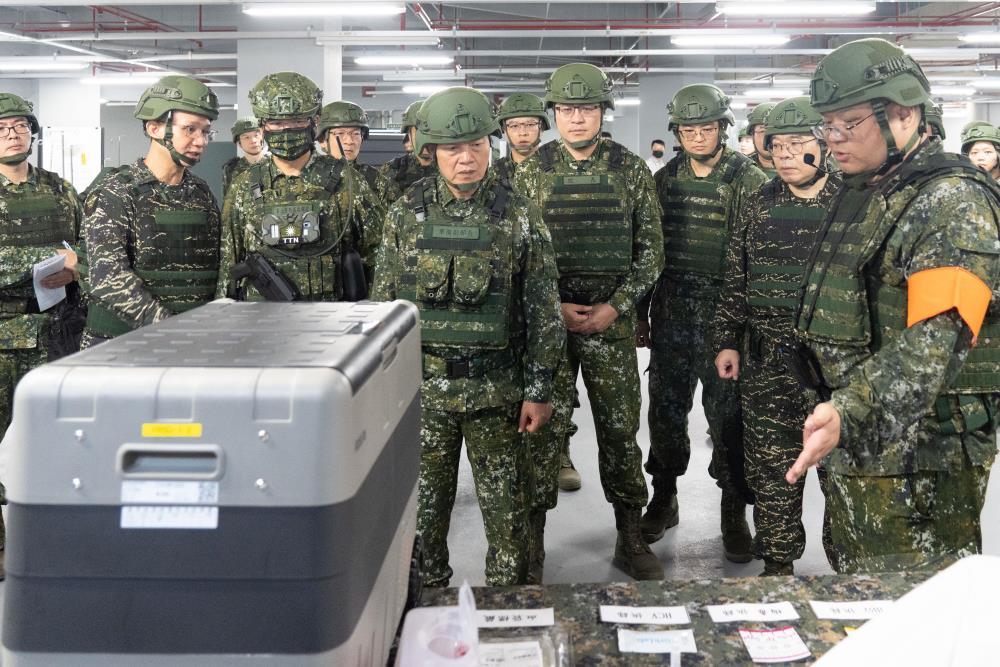 Vice Minister Chung Inspects Mass-Casualty Response Exercise, Validating Wartime Medical ResilienceAs the field training phase ofHan Kuang 42 Exercise continued, Vice Minister of National Defense General Chung Shu-ming visited the Taoyuan Armed Forces General Hospital today to inspect a “mass-casualty response exercise.” He was accompanied by Third Theater of Operations Commander Lieutenant General Lien Chih-wei, Director of the Army Logistics Command’s Medical Affairs Division Major General Wu Yu-chuan, Acting Deputy Director-General of the Medical Affairs Bureau Colonel Chen, and other officials. Conducted as part of the exercise phase focusing on defense in depth and protracted operations, the scenario simulated the 584th Brigade suffering a large number of casualties during an engagement with enemy forces. After receiving Role 1 and Role 2 medical care and being processed through a casualty evacuation control point, the casualties were evacuated in sequence to the Taoyuan Armed Forces General Hospital. Upon receiving notification, the hospital immediately activated its emergency response mechanisms and converted its underground space into an alternate medical treatment facility. During the inspection, Vice Minister Chung reviewed the establishment and operation of the underground medical facility, inter-unit communications mechanisms, procedures for requesting road access for casualty evacuation, use of the “Field Smart Medical Information System,” backup power, and the self-sustaining blood product supply capability. Vice Minister Chung also reviewed wartime blood product resupply and transportation mechanisms. He reminded relevant units to plan carefully for potential wartime contingencies to ensure that blood products can reach points of care promptly and meet the treatment needs arising from mass-casualty incidents. Vice Minister Chung also provided guidance on the overall planning of uninterruptible power supplies, emergency generators, and the electricity required for medical equipment. These measures are intended to ensure that critical medical facilities and treatment operations can continue functioning if the external power supply is disrupted. In addition, Vice Minister Chung commended the use of the “Field Smart Medical Information System.” He expressed hope that the system would provide real-time information on casualty movements, patient intake at medical stations, and the medical needs of military units, thereby improving information integration and the efficiency of resource allocation. He also instructed the theater commander to coordinate closely with the medical and logistics systems, assess wartime medical requirements, and establish a comprehensive support mechanism.2026/08/13
 -
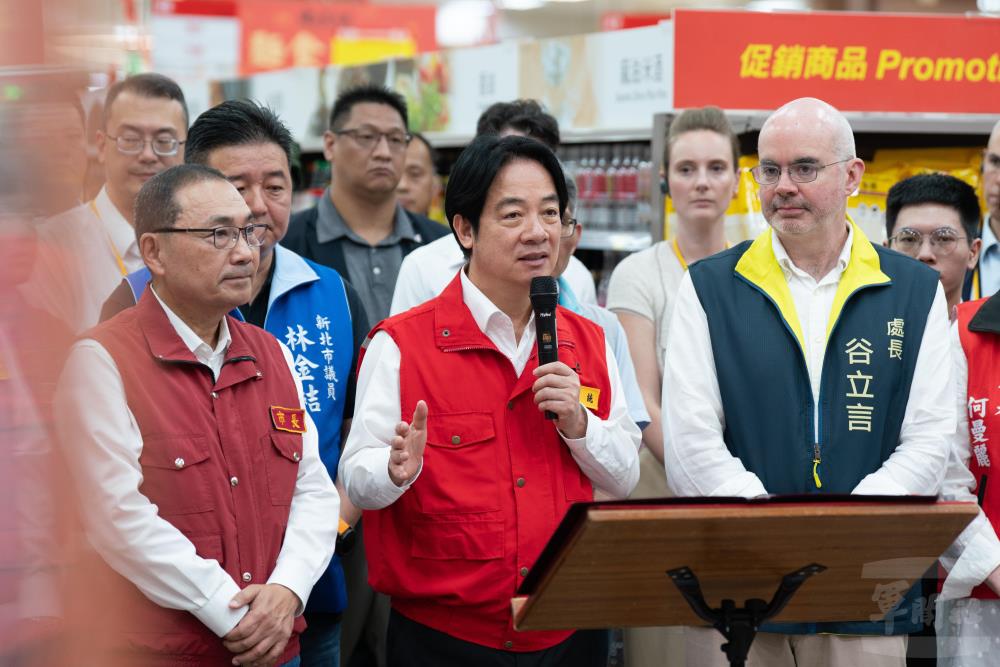 President Lai Inspects New Taipei Urban Resilience Exercise, Calls for Central-Local Cooperation to Strengthen ResiliencePresident Lai Ching-te today inspected the New Taipei City 2026 Urban Resilience (All-out Defense Mobilization) Exercise. Exercise events included operations at the Joint Emergency Operations Center (JEOC), medical load reduction and underground relocation at Shuang Ho Hospital, and the distribution and sale of essential supplies. The President expressed hope that cooperation between the central and local governments and collaboration between the public and private sectors would continue strengthening societal resilience, enabling the government to remain operational and minimizing disruption to people’s lives during emergencies. In his remarks, President Lai noted that Taiwan experiences typhoons every year and may also be struck by earthquakes every few years. In addition to building up the Armed Forces, preparing for war, and safeguarding national security, the Armed Forces has long participated in disaster relief and helped maintain social stability. The Armed Forces regard disaster response as an integral part of force development and combat readiness. Local governments also conduct annual societal resilience exercises in preparation for typhoons, earthquakes, and other disasters. These exercises were formerly known as Wan An and Min An Exercises. President Lai said that after taking office, he established the “Whole-of-Society Defense Resilience Committee” under the Presidential Office to advance societal resilience. He also combined the Wan An and Min An Exercises conducted by local governments into the Urban Resilience Exercise. This year, the exercise was extended from one day to two and conducted in coordination with the Armed Forces’ annual Han Kuang Exercise. Under a common scenario, the Armed Forces conduct military exercises as the first line of defense while local governments carry out whole-of-society defense resilience exercises. The objective is for the Armed Forces to safeguard national security while local governments and civil society organizations work together to maintain social stability, minimizing the impact on society in the event of either natural disasters or geopolitical conflicts. The President said he had specifically chosen to inspect the whole-of-society defense resilience exercise in New Taipei City this year. His first stop was the Joint Emergency Operations Center, followed by an inspection of emergency medical preparedness and then a distribution point for essential supplies. He thanked Mayor Hou Yu-ih and the city government team for their thorough preparations, noting that cooperation between the central and local governments had proven highly effective. President Lai noted that the distribution system he inspected earlier included both government-operated distribution points and participating private retailers, creating a dual-track arrangement. A smart information system has also been established, and exercises continue to address a variety of potential scenarios. He described these achievements as highly commendable. The President said that through collective efforts, central-local cooperation, and public-private collaboration, Taiwan can continue strengthening its societal resilience. When an emergency occurs, greater resilience will enable the government to maintain its operations while reducing the impact on people’s daily lives. President Lai also referred to the air defense exercise conducted today from 2:30 to 3:00 p.m. In cities where the exercise was conducted, mobile communications were affected and data speeds were reduced during the exercise, while travel and movement were also somewhat disrupted. He asked the public for its understanding and support, emphasizing that the exercise was necessary. “Every exercise makes us more resilient. Greater resilience brings greater stability when an emergency occurs and reduces the impact on our lives,” the President said. President Lai thanked the National Security Council and the ministries and agencies of the Executive Yuan for their efforts. He also noted that representatives of foreign missions in Taiwan had participated in the exercise and offered their observations, demonstrating the international community’s strong interest in Taiwan’s security and peace and stability across the Taiwan Strait. “The virtuous are never alone; they always have neighbors,” the President said. In the face of shifting regional geopolitics, Taiwan is not confronting these challenges alone, but alongside an international community that shares its concerns. Nevertheless, Taiwan must not neglect its own preparations or simply rely on others. Citing Mayor Hou’s remarks, President Lai said, “We need not fear a century without incident, but we must fear even one day without preparation.” By embracing this principle and preparing thoroughly, Taiwan will be ready for any eventuality. The more comprehensive its preparations, the better positioned it will be to prevent crises from occurring. Also attending the exercise were New Taipei City Mayor Hou Yu-ih , who also served as Commander of the New Taipei City Joint Emergency Operations Center; National Security Council Secretary-General Joseph Wu; National Security Council Advisor Liu Te-chin; Deputy Secretary-General Lin Fei-fan; Minister without Portfolio Chi Lien-cheng; Minister of the Interior Liu Shyh-fang; Minister of Foreign Affairs Lin Chia-lung; Minister of National Defense Wellington Koo Li-hsiung; Minister of Health and Welfare Shih Chung-liang; Vice Minister of Economic Affairs Lai Chien-hsin; Deputy Minister of the Interior Ma Shih-yuan; All-out Defense Mobilization Agency Director-General Lieutenant General Liao Chien-hsing; American Institute in Taiwan Director Raymond Greene; Canadian Trade Office in Taipei Executive Director Marie-Louise Hannan; Israel Economic and Cultural Office in Taipei Representative Israel Strulov; and representatives of other foreign missions in Taiwan.2026/08/13
 -
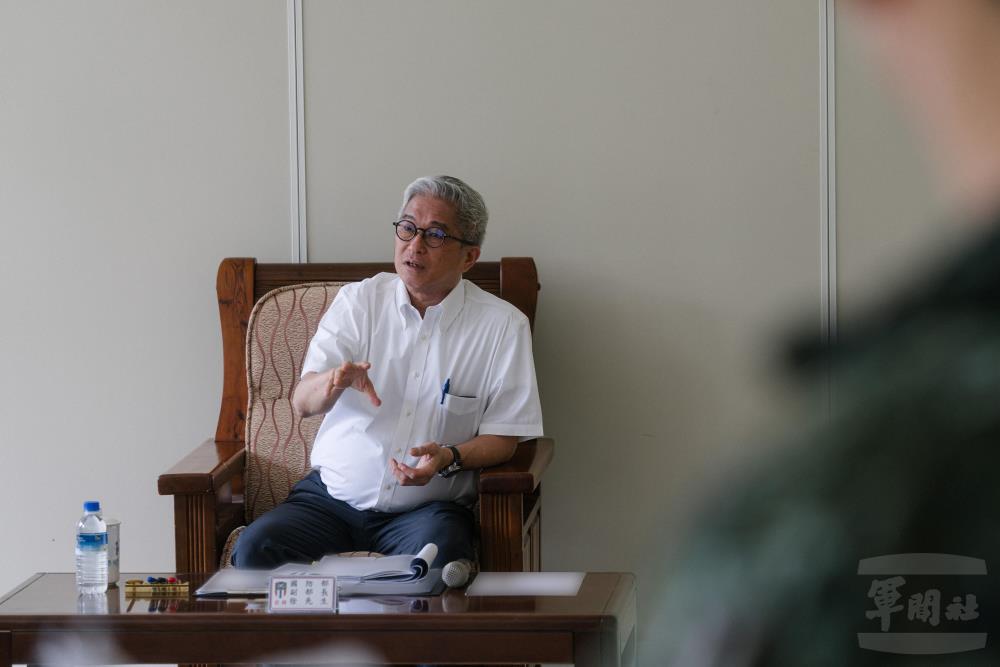 Vice Minister Hsu Inspects Strategic Communications Exercise, Calls for Stronger Coordination Mechanisms and Defense CapabilitiesVice Minister of National Defense Hsu Szu-chien visited northern Taiwan today to inspect a psychological warfare task force participating in the the live exercise phase of Han Kuang 42 Exercise. He observed the Third Theater of Operations’ strategic communications exercise and the integrated military-civilian dissemination of informational products. He instructed that all measures undertaken during the exercise be incorporated into the After Action Review (AAR) to support continued improvement and the establishment of comprehensive mechanisms for effectively supporting defensive operations. In the afternoon, Vice Minister Hsu, accompanied by Administrative Deputy Minister Lieutenant General Chen Wen-sing, Political Warfare Bureau Deputy Director-General Major General Hu Jui-hsun, Deputy Director of Political Warfare at Army Headquarters Major General Hsieh Yung-wei, and other officials, inspected the Third Theater of Operations’ strategic communications exercise and integrated military-civilian dissemination activities. He reviewed the specifications of the psychological warfare task force’s equipment and its workflow for producing strategic communications materials. He also visited a mobile broadcasting vehicle and an information operations vehicle to examine materials produced during the exercise. The psychological warfare task force explained that, in supporting the Third Theater of Operations, it used the information operations vehicle to produce graphics, videos, and other strategic communications materials tailored to each phase of operations. These materials were disseminated through drones, electronic billboards, and other channels. Mobile broadcasting vehicles were also deployed throughout the theater to broadcast favorable battlefield developments and accurate information. The Northern Area Reserve Command said the exercise not only validated military-civilian integration but also leveraged reserve advisory cadres to strengthen strategic communications within local communities. The Command concurrently conducted an inventory of available resources throughout the theater and established routine liaison mechanisms with individual administrative districts, creating important channels for future strategic communications activities. In his guidance, Vice Minister Hsu commended the various materials produced by the psychological warfare task force. He also praised the Reserve Command for assessing civilian resources throughout the theater and establishing coordination mechanisms during the Han Kuang Exercise. He emphasized that all measures should be incorporated into the AAR, with continued efforts to improve strategic communications materials, strengthen military-civilian cooperation, and develop feasible approaches for further validation in next year’s exercise. These efforts will enable psychological warfare units to support defensive operations effectively and enhance overall defense capabilities.2026/08/13
 -
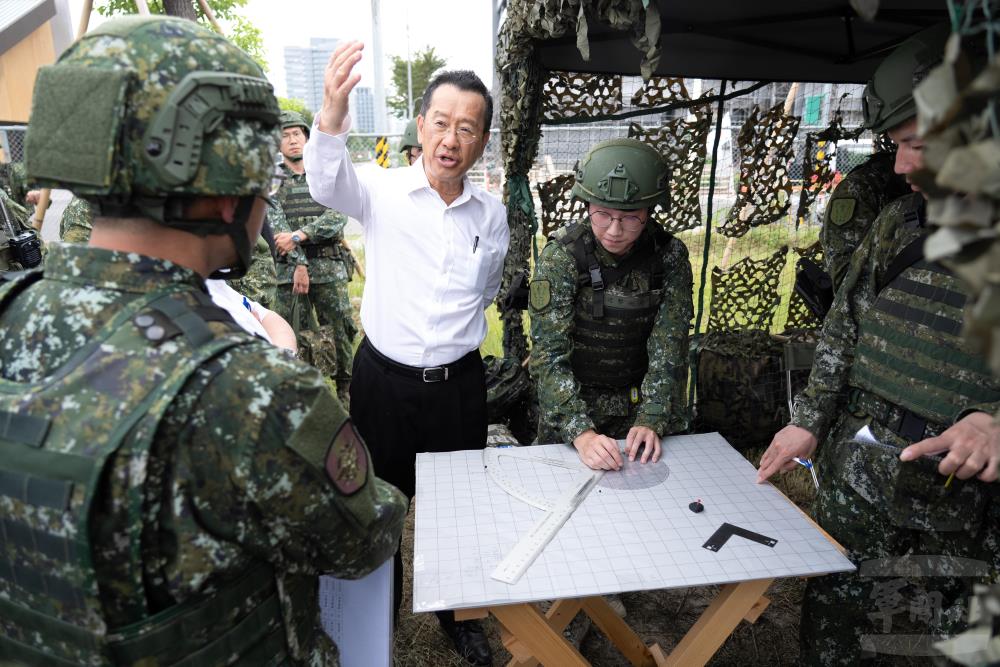 Minister Koo Inspects Training Units in Taipei, Calls for Active-Reserve Integration to Enhance Overall Combat CapabilitiesMinister of National Defense Wellington Koo Li-hsiung visited the Greater Taipei area today to inspect units participating in the live exercise phase of Han Kuang 42 Exercise. He observed reserve-force mobilization and combat power regeneration, the defense of clustered strongpoints, and joint counter-airborne and counter-air-assault drills. He commended the efforts of thetheater of operationsto integrate active and reserve forces effectively and enhance overall defense capabilities. Accompanied by Vice Minister of National Defense Hsu Szu-chien and other officials, Minister Koo began his inspection by receiving a mission briefing from the Taipei Brigade. He reviewed the brigade’s progress in regenerating combat power following full mobilization, as well as its overall plans for reserve forces to conduct mutually supporting and coordinated defensive operations. During the inspection, personnel from the mortar battalion demonstrated 120 mm mortar firing procedures, showcasing their training achievements and ability to provide fire support following mobilization. Minister Koo also spoke with mobilized reservists about their professional expertise and what they had gained from refresher training, and invited them to offer suggestions drawn from that experience. Minister Koo said reserve cadres should understand the professional backgrounds and experience of mobilized reservists and assign them suitable duties according to the principle of “matching personnel to appropriate roles.” This would allow reservists to apply their expertise in the right positions and rapidly translate their expertise into combat power. He added that, in accordance with the overall operational concept, active and reserve forces must be effectively integrated, with forces and firepower appropriately deployed to maximize overall operational effectiveness. Minister Koo later inspected a field drill conducted by personnel from the 229th Military Police Battalion, the 66th Marine Brigade, and the Taipei Brigade to counter airborne and air assault operations. He reviewed their overall command-and coordination capabilities and their ability to employ forces effectively. Minister Koo recognized the dedication and hard work of active-duty personnel and mobilized reservists in combat-readiness training. He encouraged them to continue their efforts and work together to transform their exercise and training experience into solid combat capabilities for safeguarding national security.2026/08/12
 -
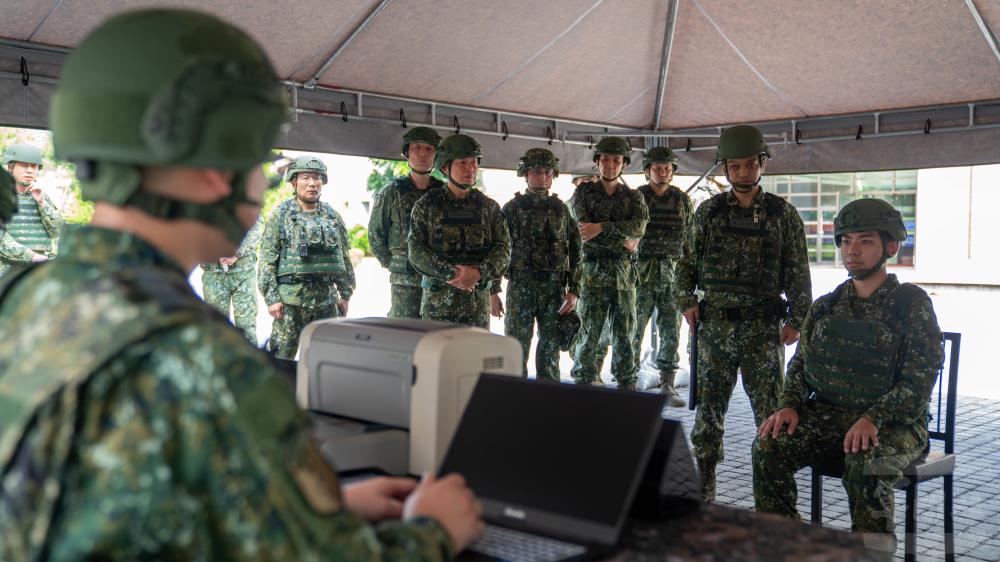 Vice Minister Chung Inspects Wartime Military Trial Exercise, Calls for Stronger Investigative and Adjudicative CapabilitiesVice Minister of National Defense General Chung Shu-ming, accompanied by Department of Legal Affairs Director-General Lieutenant General Wu Yi-sheng, the Third Theater of Operations Deputy Commander Lieutenant General Tung Chi-hsing, and other officials, visited the Ministry’s Northern Regional Legal Service Center today to inspect a “practical wartime military trial exercise.” The exercise validated the formation of provisional tribunals and investigation teams by wartime military courts and prosecutors’ offices at all levels following the transition from peacetime to wartime, in accordance with the Military Trial Act. Vice Minister Chung also observed participants simulate the investigation and adjudication of alleged offenses under wartime conditions and other courtroom procedures. Vice Minister Chung said the Department of Legal Affairs had incorporated practical wartime military trial procedures into the field-training phase of the “Han Kuang 42 Exercise.” Active-duty military legal personnel assigned to the Taoyuan Central Operational Sector of the Third Theater of Operations during wartime formed a provisional tribunal and an investigation team to conduct the exercise jointly, validating wartime military justice mechanisms and capabilities. He commended the exercise for integrating military operations and battlefield developments from the broader operational scenario. This enabled participants to examine realistically the challenges that may arise during wartime adjudication and validate the relevant procedures and response measures. Finally, Vice Minister Chung encouraged the military justice system to establish standard operating procedures and continue providing in-service education and training. These efforts will enable military legal personnel to restore and strengthen their investigative and adjudicative competencies while building the capacity required to administer military justice during wartime.2026/08/11
 -
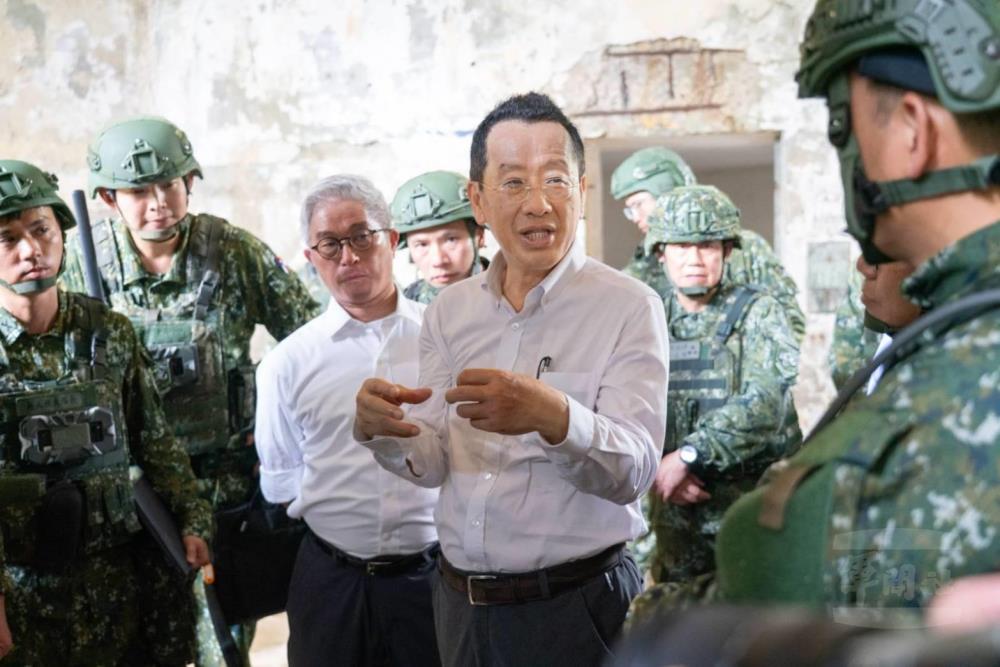 Minister Koo Inspects Exercise Units, Reviews Tactical Drone Operations and Battlefield AdditiveManufacturingMinister of National Defense Wellington Koo Li-hsiung visited units participating in the field-training phase of the “Han Kuang 42 Exercise” in Taoyuan today. He reviewed the tactical employment of drones for battlefield surveillance and reconnaissance, intelligence transmission, and strikes, as well as the use of 3D-printing technology for “battlefield additive manufacturing ” of drone components. He also thanked participating service members for their tireless efforts. Accompanied by Vice Minister of National Defense Hsu Szu-chien, Vice Chief of the General Staff (Executive) General Huang Chih-wei, and other officials, Minister Koo first received battlefield briefings from the operational sector command and drone units. He then observed personnel operating various types of drones to conduct battlefield surveillance, reconnaissance, and strikes. He also discussed plans for wartime defense in depth, successive resistance operations, and wartime transportation control with senior officers. Minister Koo later visited a drone unit’s tactical position, where he inspected its 3D-printing equipment and reviewed its processes and capacity for “battlefield additive manufacturing ”. Minister Koo said drone operations require the integrated planning of surveillance, reconnaissance, intelligence transmission, command and control, and strike capabilities according to the operational environment and mission requirements. These capabilities must be closely aligned with operational concepts, while different types of weapons and equipment should be employed flexibly to enhance battlefield awareness, real-time response, and precision-strike capabilities, thereby maximizing overall operational effectiveness. Relevant units should develop capabilities for battlefield additive manufacturing , rapid repair, and resupply. Technologies such as 3D printing can support a distributed, rapid, and sustainable maintenance and replenishment mechanism. These capabilities should also be repeatedly validated through exercises to strengthen operational resilience and sustainability . Later, Minister Koo visited an Air Force unit to review its operational capabilities, force deployment, protective force disposition, and defensive area of responsibility. He provided guidance on the employment of combat power and firepower, the maintenance of command-and-control links, and protection of defensive positions. These efforts are intended to strengthen units’ mobile deployment, backup capabilities , and sustained operational capabilities in response to enemy threats and changing battlefield conditions, ensuring the effective execution of all operational missions.2026/08/11
 -
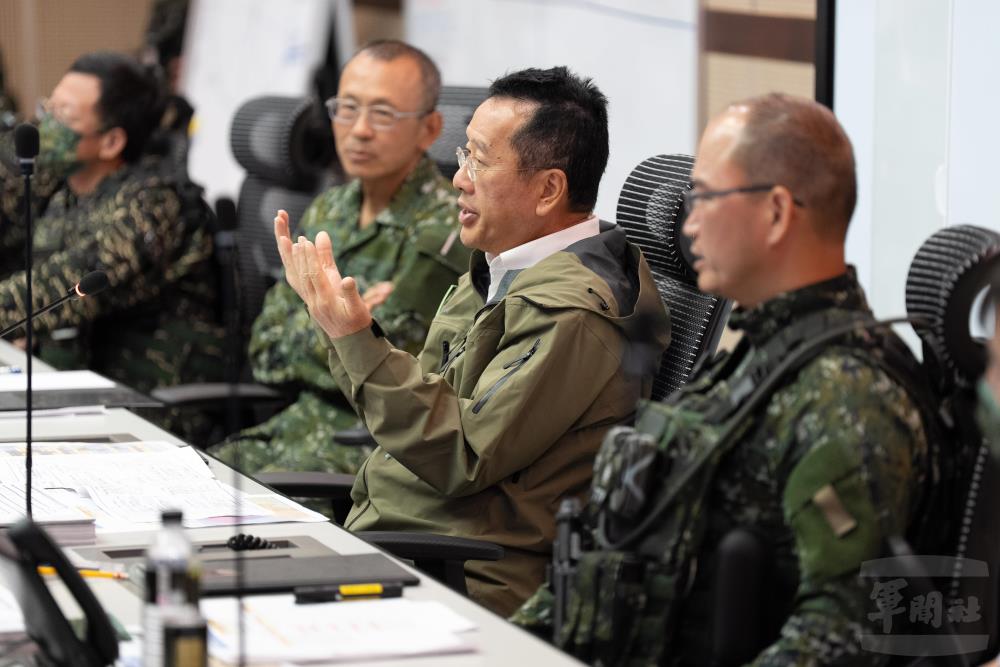 Minister Koo: Integrating Diverse Strike Capabilities to Enhance Overall Operational EffectivenessThe field-training phase of the “Han Kuang 42 Exercise” entered the “Joint Counter-Landing, Littoral Strike, and Beach Combat” stage today. Minister of National Defense Wellington Koo Li-hsiung inspected the Third Theater of Operations’ Joint Firepower Coordination Center, where he reviewed the overall planning for destroying enemy forces in key areas and the results of joint fires employment. He also thanked participating service members for their hard work. Upon arriving at the Joint Firepower Coordination Center, Minister Koo first received a mission briefing on the theater’s overall planning for joint fires and the composition of its kill chain. With senior officers, he also discussed intelligence transmission, systems integration, and the establishment of a common operational picture for joint operations across the services. Minister Koo said that, in response to rapid technological advances and evolving forms of warfare, the Armed Forces continue to integrate diverse strike capabilities. Through comprehensive intelligence transmission links, they are establishing a fully integrated common operational picture while advancing toward more automated and efficient strike operations to enhance overall operational effectiveness. During the inspection, Minister Koo commended participating service members for their wholehearted commitment to the exercise. He emphasized that training is the foundation of combat power and that rigorous training provides the most reliable protection on the battlefield. Minister Koo encouraged all personnel to continue training under “rigorous, demanding, and realistic conditions,” refine their approach to joint operations, and strengthen their ability to respond to rapidly evolving combat situations in order to safeguard national security.2026/08/09
 -
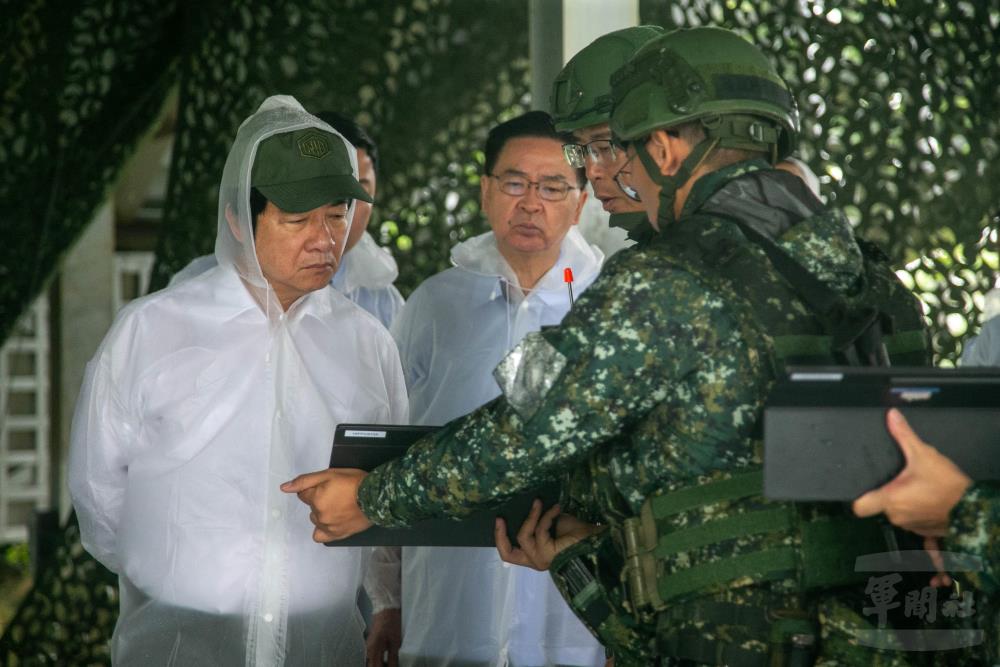 President Lai Inspects Key-Area Fire-Destruction Drill during Han Kuang Exercise, Thanks Service Members for Their DedicationPresident Lai Ching-te visited the Taoyuan area this morning to inspect a key-area fire-destruction field drill conducted as part of the field-training phase of the “Han Kuang 42 Exercise.” He observed the defensive sector’s field training activities and thanked participating service members for their hard work. President Lai first received a battlefield briefing at an observation platform, where he reviewed the Taoyuan Central Operational Sector’s overall employment of firepower and its plan for conducting key-area fire destruction. He then proceeded to an air defense position to inspect an air defense unit under the 21st Artillery Command. The President also presented meal supplement funds in recognition of the service members’ dedication. Also attending were National Security Council Secretary-General Joseph Wu; Minister of National Defense Wellington Koo Li-hsiung; National Security Council Advisor Liu Te-chin; Chief of Army General Lu Kun-hsiu; and Third Theater of Operations Commander Lieutenant General Lien Chih-wei.2026/08/09
 -
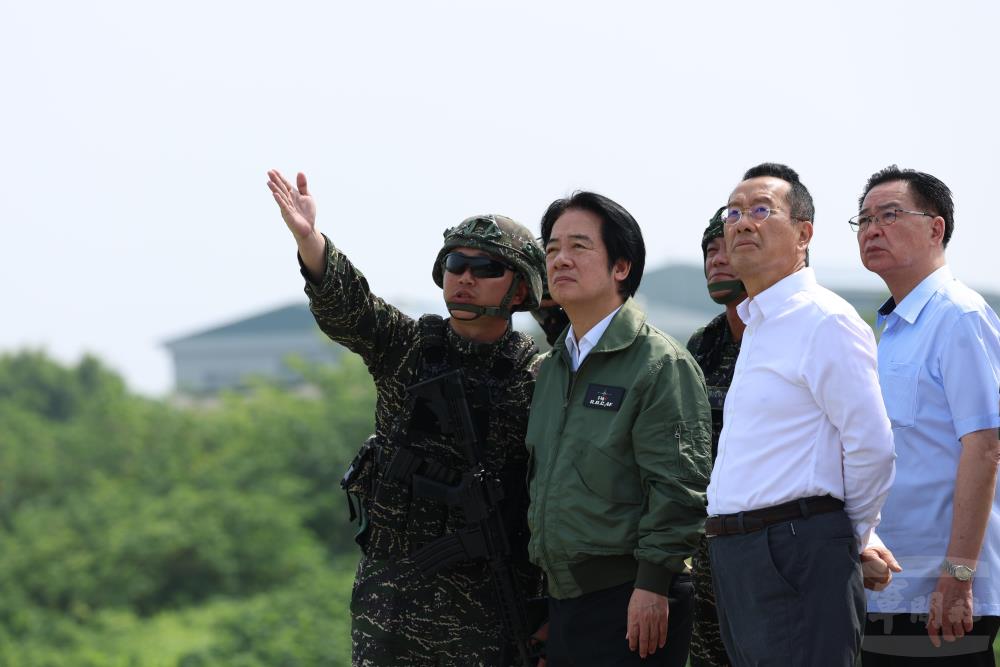 President Lai Inspects Littoral-strike Drill, Calls on Armed Forces and Coast Guard to Safeguard Taiwan’s Sovereignty with Credible Combat CapabilitiesPresident Lai Ching-te visited the Fourth Theater of Operations this morning to inspect littoral-strike and coastal-defense drills conducted as part of the field-training phase of the “Han Kuang 42 Exercise.” He encouraged Armed Forces and Coast Guard personnel to respond proactively and strengthen their coordination during the exercise so that they are prepared for every contingency. The President first arrived at Haijiao Camp to inspect an “emergency preparation for war” sortie drill. He boarded Kuang Hua VI-class Missile Boat No. 64, where, from the bridge, he received briefings on the exercise scenario and pre-departure preparations. He also addressed Navy and Coast Guard personnel over the vessel’s public-address system. President Lai then proceeded to the Chaishan combat-readiness road, where he boarded a command vehicle for an overview of the “littoral-strike” concept. He subsequently visited Taoziyuan Beach to inspect a “coastal-defense” drill and receive briefings on the equipment carried by special operations forces and the battlefield situation. Speaking over the vessel’s public-address system, President Lai said he was on the bridge of Missile Boat No. 64, whose crew had received orders to make an emergency sortie and conduct a littoral-strike mission. He explained that the Han Kuang Exercise uses “actual personnel, locations, timing, equipment, and operations” to test command coordination, immediate combat response, and homeland defense capabilities. President Lai said that in the face of external threats and challenges, the government continues working to strengthen Taiwan’s defense capabilities and provide the fullest possible support to Armed Forces and Coast Guard personnel. He encouraged them to respond proactively and strengthen operational coordination throughout the exercise so that they can address any situation and safeguard national sovereignty and public safety with credible combat capabilities. Also attending were National Security Council Secretary-General Joseph Wu; Minister of National Defense Wellington Koo Li-hsiung; Ocean Affairs Council Minister Kuan Bi-ling; National Security Council Advisor Liu Te-chin; Deputy Secretary-General Lii Wen; Chief of Navy Admiral Chiang Cheng-kuo; and Fourth Theater of Operations Commander Lieutenant General Liu Wei-hsin. The Navy Command also livestreamed the emergency combat-readiness sortie, littoral-strike, and coastal-defense drills today. Professional commentary introduced the exercise events, weapons and equipment, and tactical employment, giving the public a better understanding of the Navy’s combat-readiness preparations and defensive operations. The broadcast also promoted all-out defense awareness and demonstrated the Armed Forces’ firm resolve to defend Taiwan’s maritime frontiers and national sovereignty.2026/08/08
 -
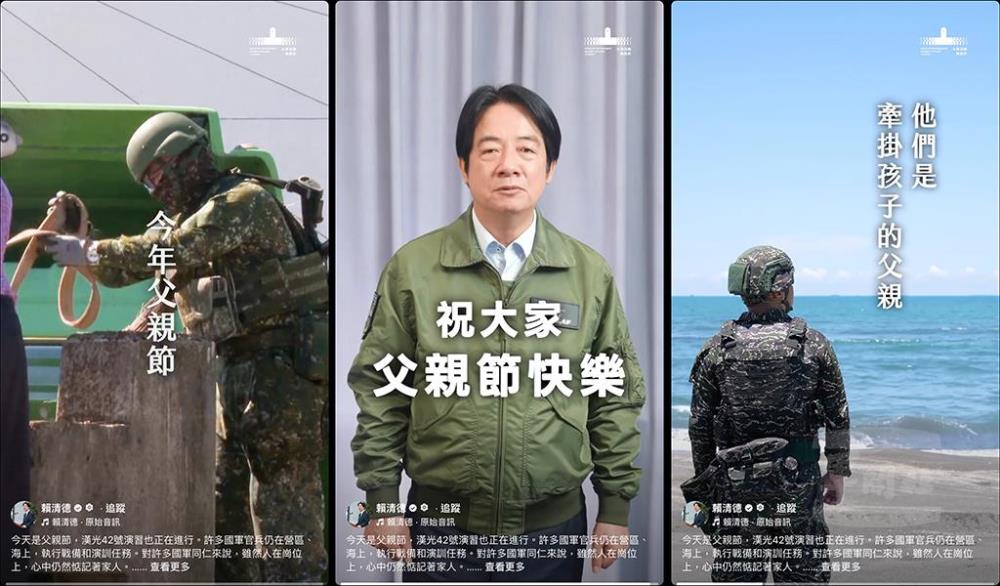 President Lai Marks Father’s Day on Facebook, Thanks Armed Forces Personnel and Their Families for Supporting Han Kuang ExercisePresident Lai Ching-te wrote on his Facebook page today that, as Taiwan celebrates Father’s Day, the field-training phase of the “Han Kuang 42 Exercise” remains underway. Many Armed Forces personnel are still at their bases or at sea carrying out combat-readiness and training missions. Although duty keeps them at their posts, many continue to hold their families close in their thoughts. In his post, President Lai expressed particular gratitude to every military family for understanding that service members cannot always be with their loved ones because of their duties. Their steadfast encouragement and support allow personnel on the front line to devote themselves fully to the exercise without concerns at home. The post also noted that the Han Kuang Exercise is important because it uses realistic scenarios to test units’ situational judgment, response capabilities, and ability to conduct coordinated operations. Any problems identified during the exercise must be reported candidly and corrected immediately. The more thoroughly units prepare during peacetime, the more swiftly and steadily they can respond when confronted with different challenges. President Lai emphasized that, on behalf of the people of Taiwan, he wished to express his deepest respect and gratitude to all Armed Forces personnel participating in the Han Kuang Exercise and to the families supporting them throughout. He also wished everyone a happy Father’s Day.2026/08/08