- MNA News
MNA News
-
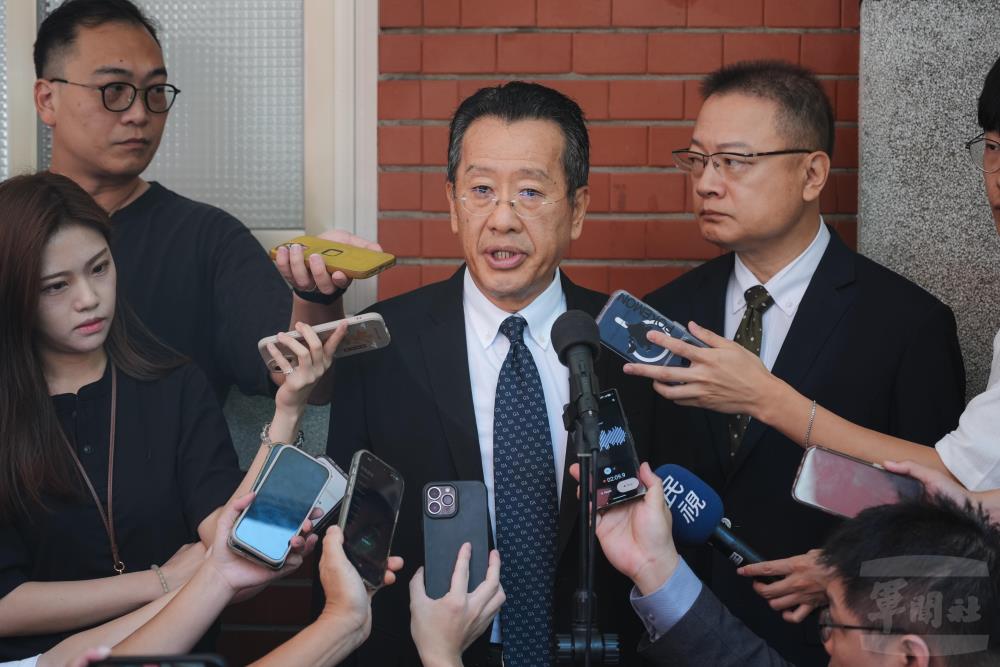 Minister Koo: Building Drone Capabilities Based on Operational Needs and Safeguarding National Defense Interests Through Lawful Contract EnforcementMinister of National Defense Wellington Koo Li-hsiung spoke to the media today before appearing at the Legislative Yuan for questioning. Addressing public concerns over proposed drone legislation, tender inspection and acceptance procedures, and the outsourcing of security duties at military academies, Minister Koo provided clarification and reiterated that the Ministry of National Defense has remained consistent in formulating procurement plans based on operational requirements. He expressed hope that lawmakers across party lines would pass the Executive Yuan’s proposed drone procurement legislation to meet Taiwan’s urgent defense needs and build up its unmanned systems capabilities. Responding to a legislator’s allegations of irregularities involving an Army drone procurement project, Minister Koo stated that the allegations were entirely unfounded. Minister Koo explained that two separate cases may have been conflated. One commissioned project was terminated in 2023, while the current public procurement project was awarded through an open tendering process. Delivery inspections and two rounds of reinspection were conducted in accordance with the contract. As the contractor failed to pass the required inspections, the Ministry imposed contractual penalties, confiscated the performance bond, and terminated the contract in accordance with the law and the terms of the contract. No payment under the contract will be made. Regarding concerns over the use of private security personnel for guard duties at military academies, Minister Koo stressed that military academies should not be confused with military installations. Drawing on practices adopted by military academies overseas, the Armed Forces have assigned private security personnel to handle access control and general security at military schools. Protection involving core military missions or strategically important locations remains the responsibility of professional military personnel. These duties are fundamentally different in nature, and the arrangement ensures the overall security of military installations.2026/07/16
 -
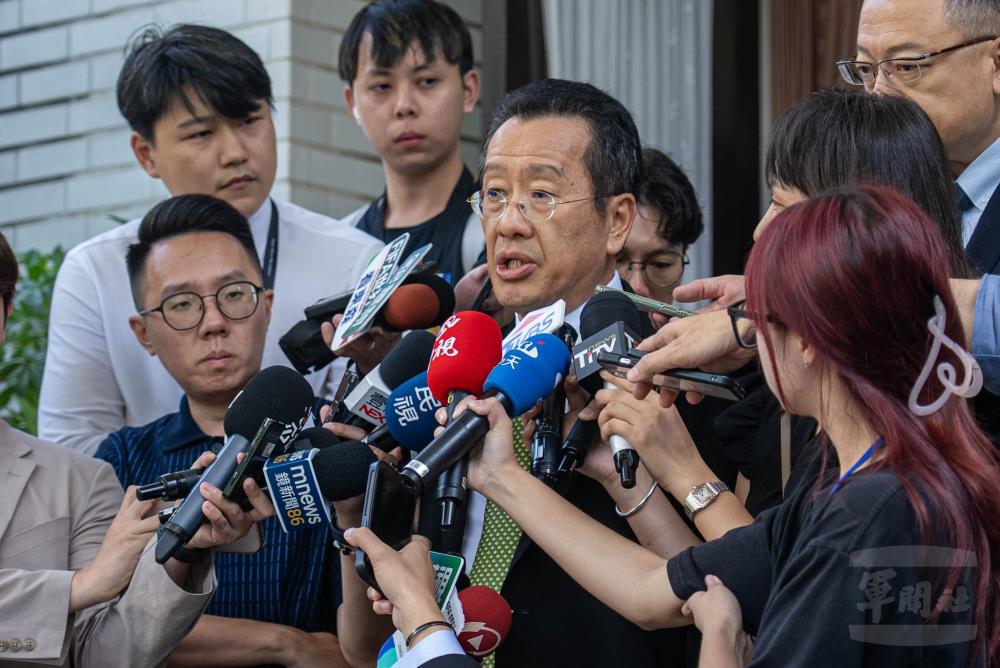 Minister Koo: Joint Defense Exercise Validates Decentralized Command and Control, Enhancing Joint Operations CapabilitiesMinister of National Defense Wellington Koo spoke to the media today before appearing at the Legislative Yuan for questioning, addressing issues including the Joint Defense Exercise, the Special Act for the Procurement of Indigenous Unmanned Systems for National Defense, and intelligence sharing. Minister Koo stated that the Joint Defense Exercise builds on the Immediate Combat Readiness Exercise. Conducted ahead of the Han Kuang Exercise, it employs a decentralized command-and-control structure to strengthen coordination and cooperation among the military services, conduct joint operations, and validate defense operation plans. Asked whether the special act would cover new types of unmanned systems, given Ukraine’s shift toward integrated systems, Minister Koo said that the Special Act was drafted based on operational requirements. The systems to be procured include coastal surveillance and reconnaissance drones, coastal attack drones, unmanned underwater vehicles, unmanned surface vessels, and unmanned ground vehicles, among other emerging technologies. Minister Koo further explained that some unmanned systems would be procured in small quantities for testing and validation, while others would be studied through research projects commissioned from the National Chung-Shan Institute of Science and Technology. Requirements relating to systems integration and AI-assisted command and control will also be included in future annual or supplementary budget proposals. Regarding intelligence sharing, Minister Koo explained that the Ministry closely monitors PLA’s activities through its joint intelligence, surveillance, and reconnaissance systems and diverse intelligence channels. The Ministry also maintains a close coordination mechanism with the National Security Council and operates in accordance with that mechanism.2026/07/14
 -
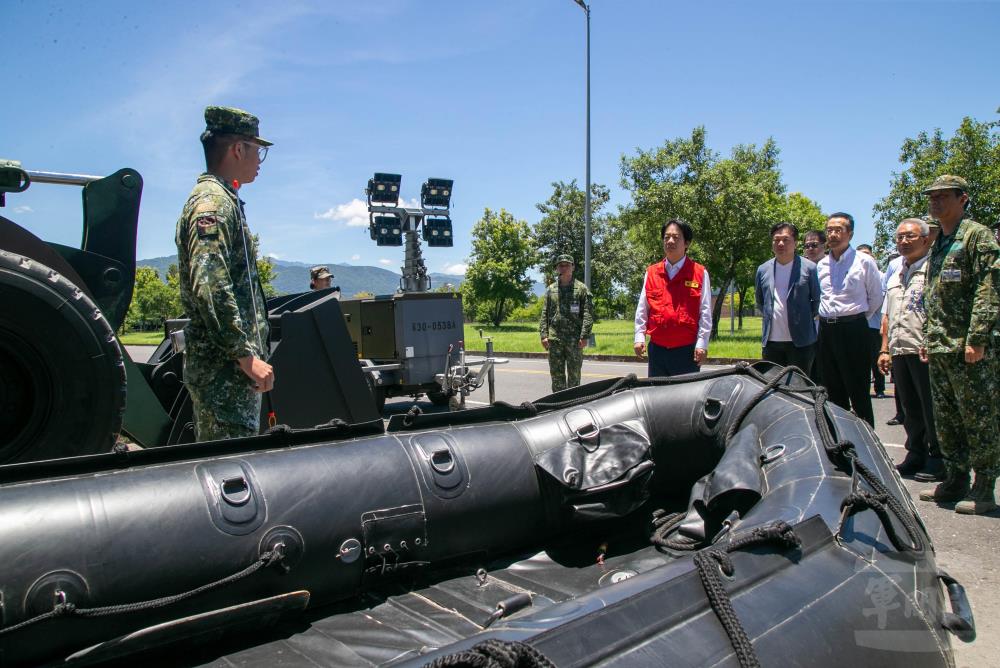 President Lai Inspects Typhoon Preparedness of Troops in Yilan and Commends Their Military ReadinessAccompanied by Minister of National Defense Wellington Koo Li-Hsiung, Vice Chief of Army Lieutenant General Li Tian-long, Third Theater of Operations Commander Lieutenant General Lien Chih-wei, Lanyang Regional Command Commander Major General Hsu Cheng-hui, and other officials, President Lai Ching-te visited the Army’s Lanyang Regional Command in Yilan this morning to inspect its preparations for Typhoon Bavi. He thanked the Armed Forces for working alongside the Executive Yuan’s Central Emergency Operations Center (CEOC) on typhoon preparedness and disaster response, and encouraged service members to cooperate with local governments, stand with the people, and minimize the impact of the disaster. President Lai first received a briefing on disaster preparedness before inspecting emergency response equipment, including communications vehicles, tactical rope rescue kits, and engineering machinery. At noon, he joined unit leaders and representatives of the troops for lunch and presented an additional mess fund in recognition of their hard work. In his remarks, President Lai noted that a maritime typhoon warning for Typhoon Bavi was expected to be issued that afternoon. With the typhoon forecast to bring substantial rainfall, the Executive Yuan had already activated its disaster response mechanisms. He had therefore come to the Lanyang Regional Command under the Third Theater of Operations to inspect its preparations firsthand. President Lai reminded service members that the Armed Forces were established with the fundamental mission of protecting the lives and property of the people. Whether confronting threats from hostile forces or natural disasters, the military must stand with the people and help keep losses to a minimum. The President also offered three directives. First, all necessary disaster preparedness measures must be completed. Second, troops must be pre-positioned in areas prone to flooding and other disasters, while maintaining close cooperation with local governments. Third, the Armed Forces must actively support post-disaster recovery efforts and help affected residents resume their normal lives as quickly as possible. President Lai said the earlier briefing showed that all six operational task groups had been formed and were equipped to meet the full range of disaster response needs. More than 7,000 troops had also been placed on standby for deployment by the theater of operations to flood-prone areas across Yilan. All machinery, equipment, vehicles, and communications systems required for disaster relief were in position, demonstrating thorough preparation. The President thanked the Third Theater of Operations for assisting local governments with disaster relief when Typhoon Fung-wong struck last year, helping minimize the damage suffered by residents. At the time, Luodong, Dongshan, Wujie, and Su’ao experienced significant flooding. The Third Theater of Operations responded effectively, quickly helping to mitigate flooding, restore roads, and address other storm damage. President Lai emphasized that Taiwanese society has high expectations of the Armed Forces and strongly supports them. In addition to building defense capabilities and safeguarding national security, the military has repeatedly demonstrated its value in disaster response. During last year’s Matai’an River barrier lake incident in Hualien, hundreds of thousands of volunteers, dubbed the “Shovel Heroes,” joined relief efforts, but the Armed Forces provided the most vital source of support. This fully embodied the military’s commitment to caring for the people and standing together with them, a spirit that must continue to be upheld. In closing, President Lai once again thanked all members of the Armed Forces and expressed his hope that every disaster relief operation would be conducted safely, smoothly, and successfully.2026/07/09
 -
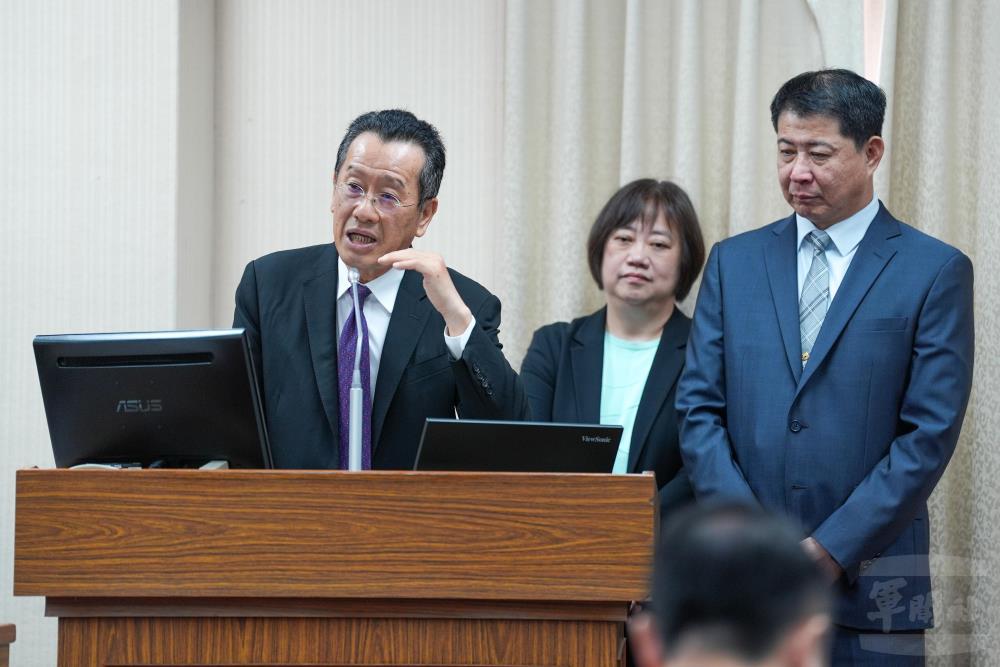 Minister Koo Presents Special Report to Legislative Yuan, Outlines Measures to Address Demographic ChallengesAmid growing public concern over the impact of Taiwan’s declining birth rate on defense personnel, Minister of National Defense Wellington Koo Li-Hsiung appeared today before the Legislative Yuan’s Foreign Affairs and National Defense Committee to present a special report entitled “Armed Forces Human Resources Policies and Future Response Plans amid the Impact of the Declining Birth Rate” and answer legislators’ questions. Minister Koo began by noting that the declining birth rate has altered Taiwan’s demographic structure and reduced the number of workers entering the labor market. As a result, the Armed Forces face the dual challenges of a shrinking pool of young and working-age recruits and intensifying competition for talent from the private sector. To maintain a stable supply of personnel, the Ministry of National Defense has introduced a series of improvements in recent years covering troop management, service members’ benefits, and compensation. These measures are intended to enhance the service environment and sustain the Armed Forces’ combat capabilities. Lan Ching-ting, Director-General of the Ministry of Defense’s Department of Resource Planning, subsequently delivered a detailed report on the issue. Director-General Lan explained that Taiwan’s population is aging rapidly. After falling below 100,000 in 2023, the number of draft-eligible men is projected to continue declining and reach approximately 77,000 by 2027. To meet personnel requirements, the Armed Forces currently operate a dual-track system comprising both volunteer and compulsory service. As of the end of 2025, personnel strength stood at 80% of authorized staffing levels, with volunteer personnel accounting for 77.3% and one-year conscripts for 2.7%. Reviewing recent progress, Director-General Lan said the Ministry had introduced various incentives to improve recruitment and retention. These include adopting a more people-centered approach to personnel management, such as abolishing the requirement for service members to report in while on leave and permitting independent overseas travel. The Ministry has also implemented the Xing’an Project to accelerate the renovation of aging barracks and relaxed eligibility requirements for enlistment. The Ministry has also actively sought improvements to military pay and benefits. In 2025, five duty-related allowances, including the Volunteer Service Duty Allowance, were increased. In 2026, the Executive Yuan approved the inclusion of drone units among those eligible for the Combat Unit Allowance. These policies have produced tangible results. Both the number of volunteer personnel and the retention rate, which rose by 5.2%, increased in 2025 compared with 2024. As of June 2026, the number of volunteer personnel had also grown by more than 5,000 year on year. Turning to future plans, Director-General Lan emphasized that the Armed Forces would pursue development centered on “replacing manpower with technology” and “replacing conventional troop strength with firepower.” The military will actively procure unmanned systems and intelligent systems while incorporating key technologies such as artificial intelligence, transforming traditionally manpower-intensive units into modern, technology-enabled forces. The Armed Forces will also continue expanding opportunities for women. Women currently account for approximately 16.6% of military personnel, and further efforts will be made to foster a supportive workplace that attracts more women to military careers. In addition, the Ministry will continue reviewing duty-related allowances and plans to make conscripts serving in combat units eligible for the monthly Combat Unit Allowance, further strengthening Taiwan’s defense personnel base.2026/07/08
 -
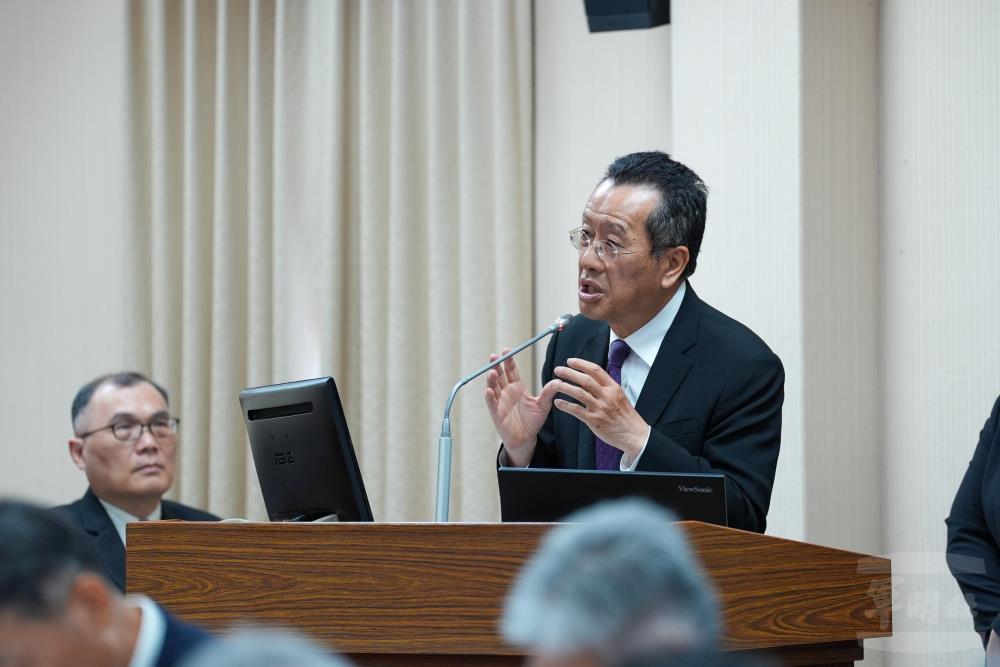 Minister Koo: Military Schools to Outsource Security Duties in Two Phases to Ease Service Members’ WorkloadMinister of National Defense Wellington Koo Li-Hsiung appeared today before the Legislative Yuan’s Foreign Affairs and National Defense Committee to deliver a special report entitled “Armed Forces Human Resources Policies and Future Response Plans amid the Impact of the Declining Birth Rate” and answer legislators’ questions. Responding to legislators’ concerns about cross-unit support duties and personnel utilization within the Armed Forces, Minister Koo said that a two-phase pilot program to outsource security duties at military schools would be introduced to ease the burden on frontline units. This would allow personnel currently assigned to support duties to return to their parent units and focus on their primary combat training responsibilities. Minister Koo stated that optimizing and making effective use of defense personnel is critically important in the face of Taiwan’s declining birth rate. To reduce the number of non-combat duties assigned to military units, the Ministry of National Defense plans to begin by piloting the employment of private security personnel at military schools. The first phase will officially begin on September 1 this year and cover five campuses: three National Defense University campuses, the Republic of China Military Academy, and the Republic of China Naval Academy. The second phase is scheduled to begin on January 1 next year and will expand the program to four additional locations, including the Army Academy R.O.C., Air Force Institute of Technology, and Chung Cheng Armed Forces Preparatory School. Once completed, security duties will have been outsourced at a total of nine military school campuses. Minister Koo emphasized that employing private security personnel would eliminate the need for military personnel to perform sentry duties and related support assignments on these campuses. This would not only reduce the routine workload of frontline service members but also allow personnel currently assigned to support duties to return to their parent units and devote their full attention to combat readiness and military training. By fulfilling the central objective of enabling service members to focus on their primary combat training responsibilities, the initiative will further ensure that the Armed Forces’ overall defense capabilities are not undermined by the declining birth rate.2026/07/08
 -
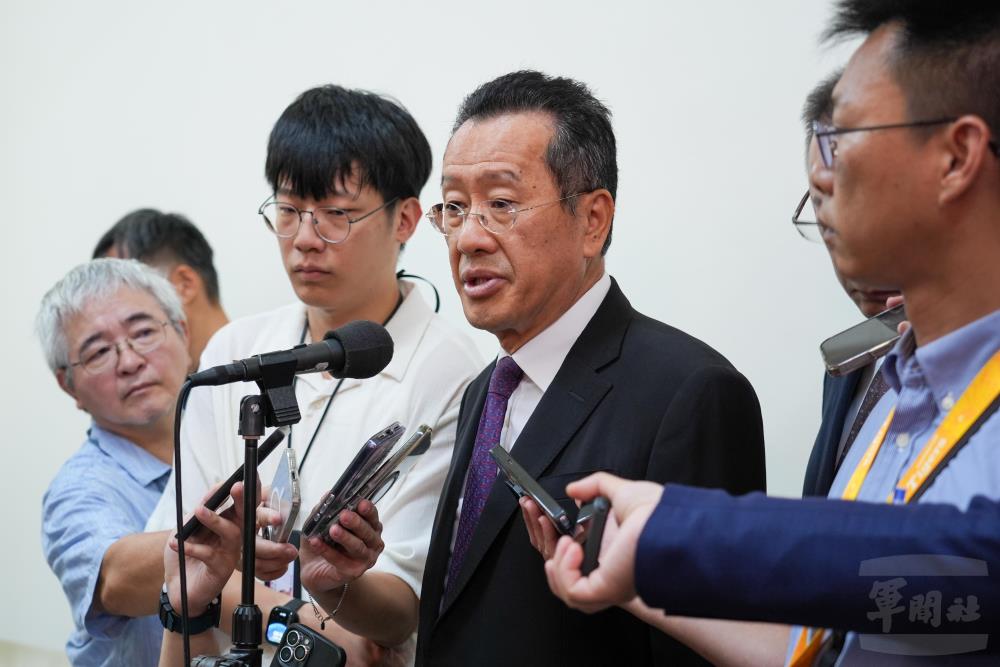 Minister Koo: Armed Forces Closely Monitoring Developments Around Taiwan, with Full Awareness of PLA Carrier and Missile ActivityMinister of National Defense Wellington Koo Li-Hsiung appeared today before the Legislative Yuan’s Foreign Affairs and National Defense Committee to deliver a special report entitled “Armed Forces Human Resources Policies and Future Response Plans amid the Impact of the Declining Birth Rate” and answer legislators’ questions. Before the session, Minister Koo spoke to the media about issues of public concern, including recent PLA military activity, the safety of food supplied to the Armed Forces, precision missile exercises, and defense budget allocations. Asked about the model of a submarine-launched ballistic missile (SLBM) recently test-fired by the PLA in the Pacific and the extent to which the Armed Forces had tracked the launch, Minister Koo stated unequivocally that the entire process had been closely monitored through joint intelligence, surveillance, and reconnaissance systems and diverse intelligence channels. Available intelligence indicated that the missile was likely a JL-2. Minister Koo said that although the missile did not pass through Taiwan’s air defense identification zone, such actions by China undermine regional peace and stability and have drawn condemnation from numerous countries, further demonstrating that China is indeed a “troublemaker” in the region. The Armed Forces will continue working closely with friendly and allied nations to monitor relevant developments and take appropriate measures. Addressing recent movements by PLA aircraft carriers, including reports that the Fujian had appeared near the Paracel Islands and that Japan’s Self-Defense Forces were continuing to monitor the Liaoning, Minister Koo said that according to information available to the Armed Forces, the Fujian had recently left port primarily to avoid the typhoon and would return to its home port once the storm had passed. The Liaoning, meanwhile, had sailed to the Bohai Sea to conduct routine training, including carrier-based aircraft takeoffs and landings. Regarding the safety of food supplied to the Armed Forces, Minister Koo responded to questions about the investigation into potentially carcinogenic cooking oil and the extent of its distribution. He stressed that the health and food safety of service members have always been among the Armed Forces’ highest priorities. As soon as the Ministry received the relevant information, it immediately ordered the precautionary withdrawal of the oil products concerned from all military units. When the Ministry of Health and Welfare subsequently released a second-tier list of potentially affected products, the Armed Forces promptly withdrew all items on that list as well. The Ministry will continue sending all related oil products to professional institutions for testing and will make every effort to safeguard the health and food safety of military personnel. Finally, the media asked about the results of the previous day’s man-portable Stinger missile exercise at the Jiupeng Military Base and whether funding for the Strong Bow missile system would be included in plans to build the “Taiwan Dome.” Minister Koo said that all annual precision-munition exercises, including the Divine Bow and Divine Eagle exercises, are conducted rigorously in accordance with established plans and have achieved highly satisfactory results. The Ministry will incorporate funding for the development and enhancement of defensive weapon systems into its overall planning, assess requirements comprehensively, and allocate resources appropriately to build robust defense capabilities.2026/07/08
 -
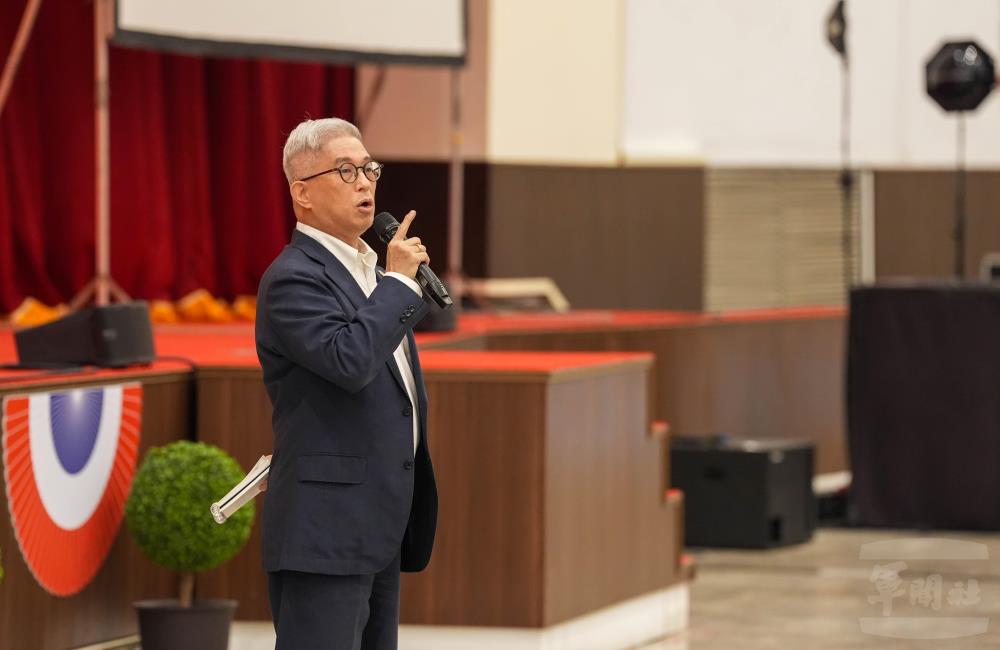 Vice Minister Hsu Encourages Newly Commissioned Officers to Uphold Their Patriotic Convictions and Defend National SecurityVice Minister of National Defense Hsu Szu-chien visited the National Defense University’s Fu Hsing Kang College campus today to preside over the completion ceremony for the 2026 Anti-Communist and Patriotic Education Program for the Armed Forces’ eight military academies and institutions. Addressing the newly commissioned second lieutenants, he outlined five key dimensions confronting the Armed Forces: what they are defending, the hostile forces they face, the current strategic environment, the nature of modern warfare, and their core objectives. He encouraged the officers to remain steadfast in their patriotic convictions, deepen their understanding of the adversary, and shoulder the shared responsibility of defending the nation and protecting its people. Vice Minister Hsu urged the officers to develop a sound understanding of their country, fully appreciate Taiwan’s democratic and free values, and recognize the responsibility shared by all citizens to safeguard the nation. He emphasized that national defense is not only about maintaining national security, but also carries the vital mission of protecting Taiwan’s democratic system and free way of life. Vice Minister Hsu observed that regional conditions are changing rapidly and gray-zone threats are continuing to grow. All service members must therefore keep abreast of developments in international strategy, deepen their understanding of the adversary, and assess regional security conditions objectively and rationally. They must also heighten their awareness of potential crises and strengthen their response capabilities. Only by fostering a sound understanding of national defense can Taiwan effectively enhance its overall defense resilience. Turning to the evolving nature of modern warfare, Vice Minister Hsu cited the Russia-Ukraine war, the United States’ military operation against Venezuela, and the war with Iran as recent examples. Capabilities involving unmanned systems, artificial intelligence, intelligence integration, autonomous systems, and asymmetric warfare have become major factors shaping the battlefield. In addition to continually enhancing education and training, future defense development will harness technological advances and innovative thinking to strengthen command and control and improve the Armed Forces’ overall response capabilities, thereby increasing the effectiveness of defense operations. During the event, Vice Minister Hsu also held a discussion with the newly commissioned officers. The officers took the opportunity to raise numerous questions and exchange views with him on the issues outlined above. He addressed each question in turn and explained the current circumstances surrounding it, making for a lively and engaging discussion. In closing, Vice Minister Hsu offered the officers eight slogans: “strengthen the military through technology, defeat the enemy through innovation, deter aggression, prevent war, build strength, secure peace, safeguard democracy, and defend the nation.” He encouraged the newly commissioned officers, as future leaders of the Armed Forces, to continually develop their professional knowledge and skills and incorporate the principles of patriotic education into their daily duties and leadership. By strengthening unity within their units and working together to safeguard democracy, freedom, and national security, they can preserve peace and stability through strength and fulfill their responsibility to defend the nation and protect its people.2026/07/05
 -
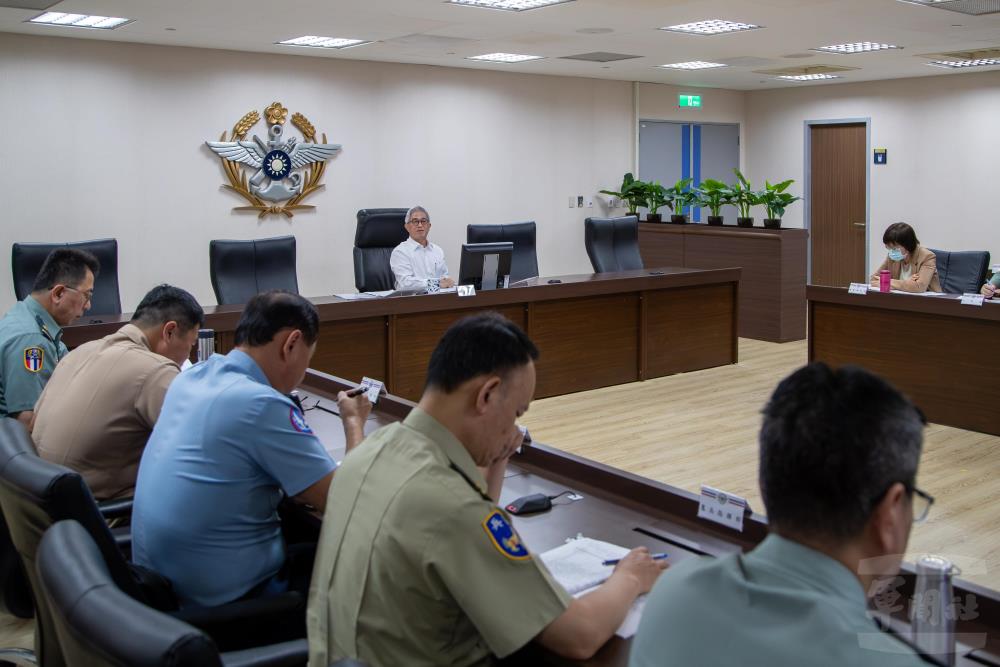 Vice Minister Hsu Encourages Use of AI to Enhance Learning Outcomes at Bilingual Policy Steering Group MeetingVice Minister of National Defense Hsu Szu-chien chaired the 16th meeting of the Ministry of National Defense Bilingual Policy Steering Group today. He encouraged all units to continue refining their bilingual policy initiatives and make effective use of artificial intelligence to improve bilingual learning outcomes and the overall English proficiency of the Armed Forces. Held this morning at the Ministry’s Bo’ai Camp, the meeting reviewed progress in implementing the Ministry’s bilingual policy. Representatives of the military services also reported on their use of AI in bilingual learning, the fielding of newly acquired military equipment, and overseas training programs. Taichung Armed Forces General Hospital and the Republic of China Air Force Academy shared their experiences, providing useful examples for other units implementing bilingual initiatives. Regarding the application of AI, Vice Minister Hsu said that promoting bilingual learning involves more than merely introducing AI tools. It is even more important to evaluate their actual effectiveness. He recommended inviting experts to assess the advantages and disadvantages of different AI tools for bilingual learning. The findings could guide future improvements and enhance the overall quality and effectiveness of learning. Vice Minister Hsu emphasized that exchanges between the Armed Forces and allied and partner countries involve extensive military terminology and other specialized terms. When AI is used to learn or translate military terminology, accuracy must be paramount. Errors in recognition or translation must not be allowed to create communication gaps. Machine learning and validation mechanisms should therefore be used to continually improve system recognition capabilities and specialized terminology databases, ensuring that bilingual applications meet operational needs. Vice Minister Hsu said this year’s bilingual policy would focus on three priorities. First, the Armed Forces will integrate English instruction into specialized on-base training, use the National Development Council’s bilingual learning platform, and engage qualified instructors to strengthen service members’ English proficiency. Second, in line with data governance policy, the Ministry will establish an AI-assisted bilingual learning environment. The Office of the Deputy Chief of the General Staff for Personnel and the Office of the Deputy Chief of the General Staff for Training will oversee military academies and units in promoting self-directed learning. Third, the Ministry will continue working with the National Development Council on an interagency initiative to foster a bilingual-friendly environment and secure relevant resources, comprehensively enhancing bilingual learning outcomes across the Armed Forces. Vice Minister Hsu commended Taichung Armed Forces General Hospital and the Air Force Academy for sharing their experience in implementing bilingual initiatives. He encouraged all units to make effective use of the National Development Council’s bilingual learning platform, refine machine-learning mechanisms, and improve the consistency and effectiveness of their systems to generate greater synergy across the initiative. He also instructed the relevant units to continue reviewing matters requiring further deliberation and to refine the implementation of the Ministry’s bilingual policies.2026/07/01
 -
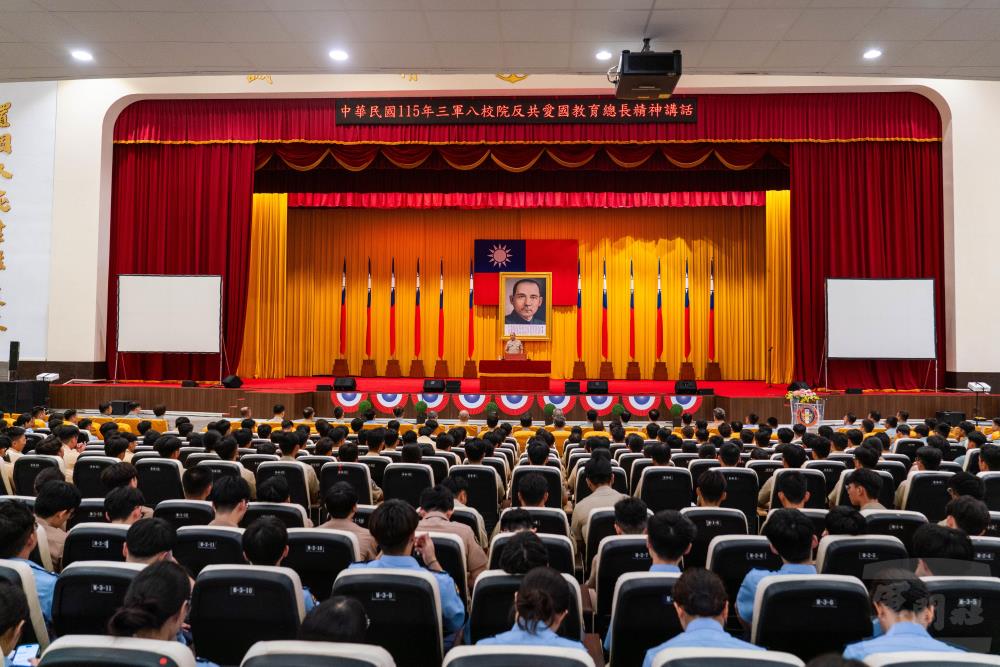 Chief of the General Staff Admiral Mei Chia-shu Addresses Anti-Communist and Patriotic Education Program, Urges Graduates to Face Challenges with Unwavering ResolveChief of the General Staff Admiral Mei Chia-shu delivered an address today at the National Defense University’s Fu Hsing Kang College campus as part of the 2026 Anti-Communist and Patriotic Education Program for graduates from the Armed Forces’ eight military academies and institutions. He commended the graduates for the perseverance and dedication that had brought them this far and encouraged them to value the responsibilities and honor they were about to assume. He also urged them to continually develop their professional expertise and leadership abilities and face the challenges of military service with unwavering resolve. Admiral Mei said that although each graduate may have chosen military education for different reasons, what truly mattered was their perseverance in completing the journey. Wearing rank insignia represents not only a responsibility entrusted by the nation, but also a profound honor. Those who wear the uniform must remain fully conscious of their mission to defend the nation and protect their homeland. It is because generations of service members have remained steadfast at their posts that the nation is more secure and the public has greater confidence in the Armed Forces. Turning to the qualities required of future military leaders, Admiral Mei said that leadership is not merely about issuing demands, but also about trusting and encouraging subordinates and guiding the entire team toward shared growth. He emphasized that competence is developed gradually through consistent effort. Only through daily learning and experience can officers progressively build the professional expertise and leadership abilities needed to fulfill their responsibilities as military leaders. With the modern battlefield environment evolving rapidly, Admiral Mei encouraged the graduates to continue learning, embrace challenges, and refuse to be discouraged by setbacks. He said that cooperation across military services and occupational specialties would be an essential capability in the future. Only by continually strengthening their abilities and developing the courage to overcome adversity could the graduates remain steady in a rapidly changing environment, while never losing sight of their original aspiration to serve in the military and defend the nation.2026/07/01
 -
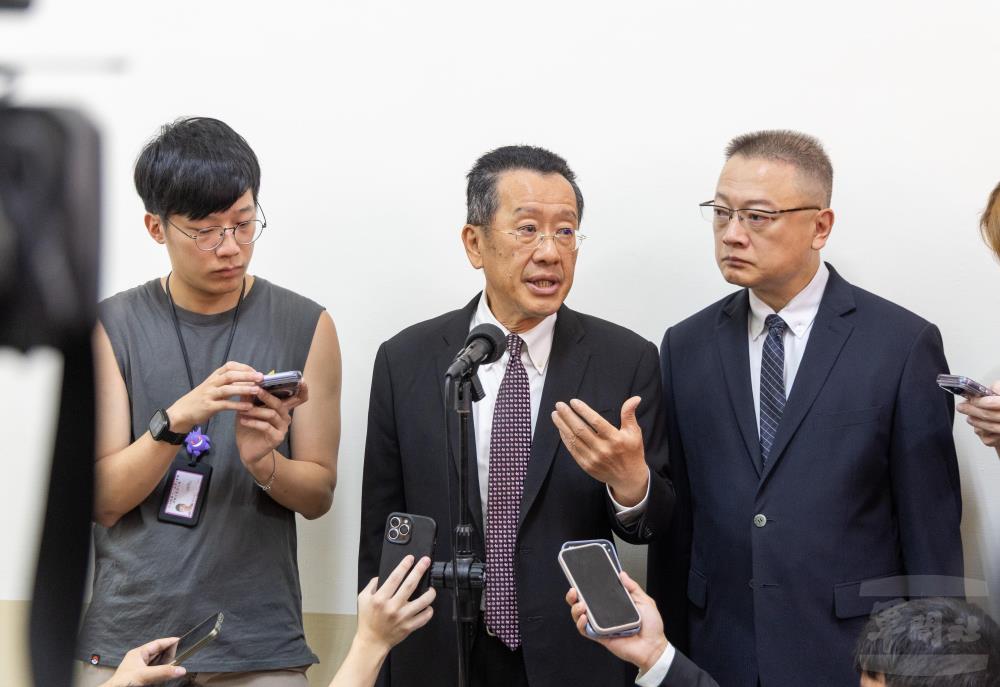 Minister Koo: Special Drone Procurement Act Aims to Concentrate Resources and Ensure Stable Procurement at ScaleMinister of National Defense Wellington Koo spoke to the media today before delivering a special report at the Legislative Yuan. Addressing the draft legislation on drone development and procurement, an Army Logistics Command tire procurement case, and the regional security situation, he emphasized that mechanisms proposed in the draft, including an annual budget of NT$40 billion and a stable source of funding, still require further clarification. Asked about the Kuomintang’s proposed “Draft Act on Drone Development and Procurement,” Minister Koo said the bill would require the central government to allocate NT$40 billion annually for drone-related programs and subject the funding to the regular annual budget review process, while also describing it as a stable source of funding. He therefore called on the Kuomintang to clarify whether the legislature would approve the entire NT$40 billion proposed by the central government each year and how the funding would be reviewed to ensure that it remained stable. Regarding the bill’s requirement that 80% of drone production be domestically sourced within four years, Minister Koo said the details would require further discussion with the legislative caucus and should be informed by market intelligence and surveys of the industrial supply chain. The Ministry’s primary considerations are large-volume, long-term orders and iterative innovation. It hopes that a special act will concentrate resources and ensure stable procurement at scale. Whether the Kuomintang’s version would facilitate the development of Taiwan’s drone industry and advance defense self-reliance remains open to further discussion. Addressing the Army Logistics Command’s procurement of Chinese-brand tires, Minister Koo explained that the procurement took place in 2020. At the time, the applicable rules required only that the products not be manufactured in China and did not impose restrictions on the brand. Such procurements were completely prohibited in 2024. Given the service life of tires, however, some of those purchased in 2020 remain in use. The Ministry will complete their replacement as quickly as possible in accordance with the relevant procedures. Responding to remarks by a US official regarding the maritime conditions most favorable for a cross-strait military operation against Taiwan, Minister Koo said that assessments of whether China might invade Taiwan are not based solely on weather conditions. Instead, they involve a comprehensive evaluation of a range of military and non-military indicators. The Armed Forces are currently conducting the Immediate Combat Readiness Exercise, Joint Defense Exercise, and Han Kuang field training exercise in sequence. Minister Koo said the remarks were primarily intended to highlight the threat that China’s expanding military capabilities pose to peace and stability in the Indo-Pacific, prompting countries to take corresponding measures in response.2026/07/01