- MNA News
MNA News
-
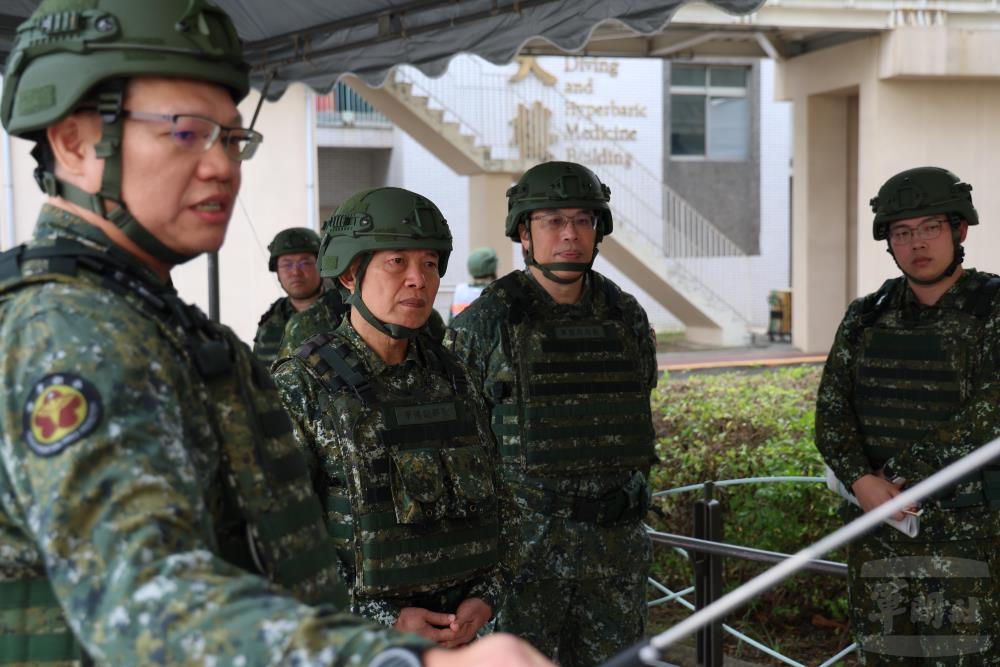 Vice Minister Chung Inspects Military, Public, and Private Medical Integration Exercise, Validating Wartime Medical Response CapacityOn the third day of the field-training phase of the Han Kuang 42 Exercise, Vice Minister of National Defense General Chung Shu-ming visited the Fourth Theater of Operations today to inspect a “military, public, and private medical integration” exercise involving casualty evacuation and the relocation of medical capacity. The exercise validated the large-scale relocation and preservation of medical capacity at Armed Forces hospitals, the transfer of existing patients to lower-acuity facilities, and coordination mechanisms with external organizations. Participating units completed all exercise scenarios, demonstrating their ability to integrate medical resources and relocate medical supplies. Accompanied by Director-General of the Medical Affairs Bureau Lieutenant General Chen Yuan-hao and E-Da Hospital Superintendent Tu Yuan-kun, Vice Minister Chung visited the Zuoying Armed Forces General Hospital, Gangshan Veterans Home, Yanchao Emergency Aid Station, and E-Da Hospital. He inspected drills covering casualty evacuation, the relocation of medical supplies, the placement and care of wounded service members, and the transfer of civilian patients to appropriate facilities. In response to the exercise scenarios, participating units completed casualty triage, coordination with receiving and transferring units, applications for traffic priority along evacuation routes, interagency command-and-control communications, the dispatch of evacuation vehicles including mobilized transportation assets, the deployment of personnel including military support teams, and inventories of medical supplies and daily necessities. Through interagency coordination and cooperation, the exercise validated the wartime medical system’s operating mechanisms and emergency response capabilities. During the exercise, the Armed Forces medical system worked closely with local health authorities, veterans care institutions, and private medical facilities. Information sharing, ambulance dispatch, and tiered medical care mechanisms enabled casualties to be rapidly sorted, evacuated, and transferred to suitable medical institutions or accommodation facilities according to their condition. These measures help ensure continuity of care and preserve medical treatment capacity during wartime and disasters. Vice Minister Chung said the military, public, and private medical integration exercise was conducted in conjunction with the field-training phase of the “Han Kuang 42 Exercise.” Coordinated by the Ministry’s Medical Affairs Bureau, it brought together Armed Forces hospitals, private medical institutions, local health centers, and veterans homes to validate civil-military medical coordination mechanisms and response capacity under realistic conditions. The exercise not only demonstrated the progress achieved in integrating military, public, and private medical systems, but also identified a number of areas for improvement. Vice Minister Chung expressed hope that continued exercises would build experience, refine existing mechanisms, and comprehensively strengthen wartime medical support and whole-of-society defense resilience.2026/08/07
 -
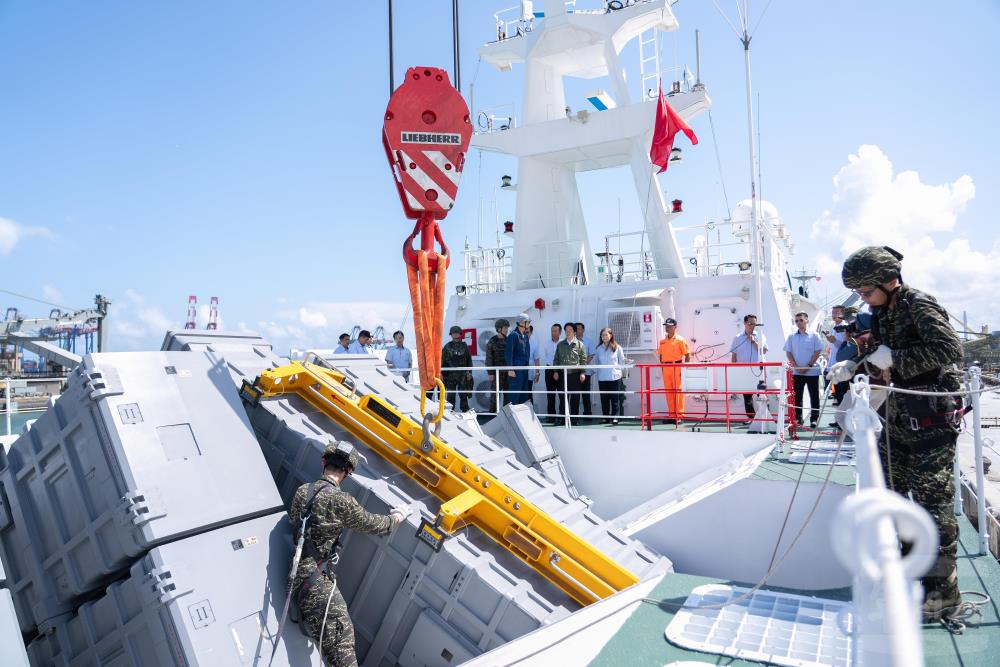 President Lai Inspects Han Kuang Exercise, Reviews Combat Power Protection and Preservation DrillsPresident Lai Ching-te visited the Bali area of New Taipei City this morning to inspect the field-training phase of the “Han Kuang 42 Exercise.” He observed troops in the Bali defense sector conducting combat power protection, force preservation, and battlefield response operations, and thanked participating service members for their hard work. President Lai first boarded the Coast Guard vessel Bali (CG606), where he received briefings on wartime outfitting equipment and a coastal strike scenario. He then inspected the missile mounting space to learn about its configuration and the loading of combat-ready missiles. After disembarking, the President proceeded to the mine-loading area at the pier for a briefing on mine-loading operations. He then visited the south pier, where the 53rd Engineer Group briefed him on obstacle emplacement at the Port of Taipei and measures to deny resources to the enemy. President Lai then observed the troops conducting the drills. Also attending were Minister of National Defense Wellington Koo Li-hsiung, National Security Council Advisor Liu Te-chin, Chief of Army General Lu Kun-hsiu, Chief of Navy Admiral Chiang Cheng-kuo, and Third Theater of Operations Commander Lieutenant General Lien Chih-wei.2026/08/06
 -
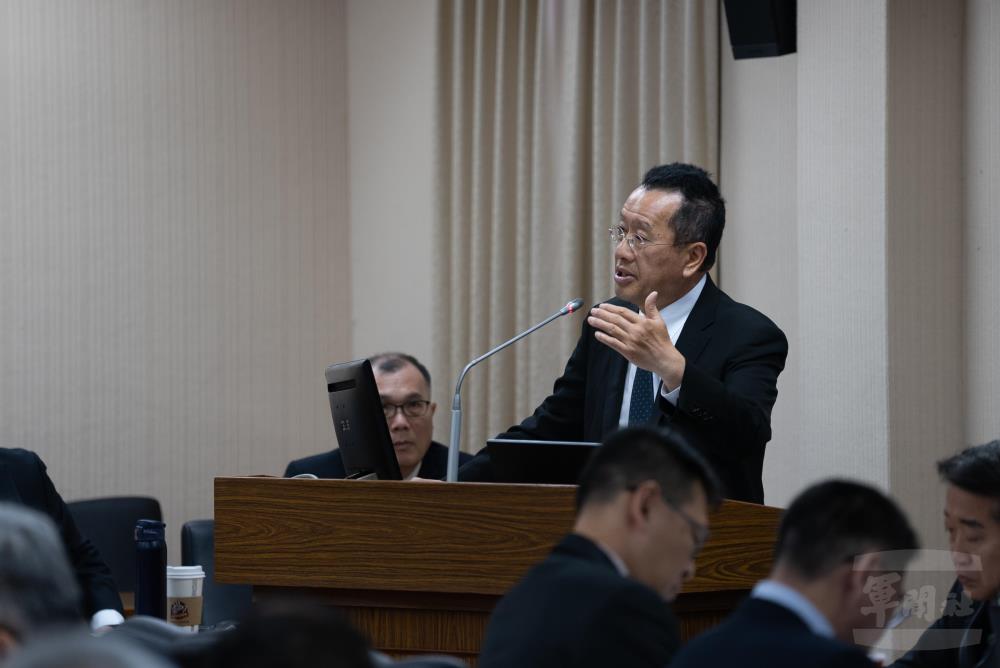 Minister Koo Reports to Legislature on Strengthening Morale and Psychological ResilienceMinister of National Defense Wellington Koo Li-hsiung appeared before the Legislative Yuan’s Foreign Affairs and National Defense Committee today to deliver a special report on how the Armed Forces are strengthening service members’ morale and psychological resilience in response to escalating enemy threats and gray-zone activities. Minister Koo began by noting that China continues to employ gray-zone harassment, cognitive warfare, disinformation, recruitment, and infiltration in an attempt to influence service members’ perceptions and undermine unit cohesion. Morale and psychological resilience have therefore become indispensable foundations of force development and combat readiness. Guided by the principle of “reflecting the threat environment and supporting preparation for war,” the Ministry will continue strengthening service members’ will to resist the enemy, awareness of enemy threats, and unit morale to ensure combat effectiveness. Political Warfare Bureau Director-General Lieutenant General Shih Shun-wen further explained that the Armed Forces currently build morale and psychological resilience through four principal areas: unit education, recruit education, reserve refresher training, and military school education. At the unit level, Chu-Kuang Day instruction, security and counterintelligence briefings, calculated risk-taking and battlefield stress-resilience courses, and mental health education are used to strengthen service members’ will to fight and reinforce their psychological defenses. For recruit education, a General National Defense Education Course has been added to initial military training. In 2024, the Ministry published the Beginning Your Military Service teaching materials, covering Armed Forces history, military ethics, Chinese cognitive warfare, human rights in the military, information security, and counterintelligence. Recruits receive 16 hours of instruction during initial training. A multimedia database has also been established on the General National Defense Education website for use by recruit training units. To help reservists understand current defense policies and enemy threats while strengthening their morale and patriotic commitment, the Ministry published the Mobilized and Combat-Ready teaching materials in 2024. Reservists receive five hours of instruction during refresher training, supported by educational videos from a multimedia database to improve the quality of the program. Military school education includes five political education courses totaling 12 creditswithin the common general curriculum. Subjects include the Constitution and Founding Principles of the Republic of China, the History and Development of the Republic of China, and Studies on Mainland China. These courses are intended to develop military officers’ understanding of democracy and constitutional government, strengthen cadets’ awareness of enemy threats and military ethics, and cultivate their ability to understand both themselves and their adversaries. Lieutenant General Shih emphasized that morale education and psychological resilience have become important strategic foundations for building sustained combat capabilities and whole-of-society defense resilience. The Ministry will continue refining its educational methods and content by strengthening Chu-Kuang Day instruction, General National Defense Education, security and counterintelligence education, battlefield stress training, and psychological resilience training. These efforts will be integrated into routine education, combat-readiness preparation, exercise and training evaluation, and threat awareness education to foster among service members a clear understanding of friend and foe, a strong sense of national identity, and a shared will to defend the country.2026/08/05
 -
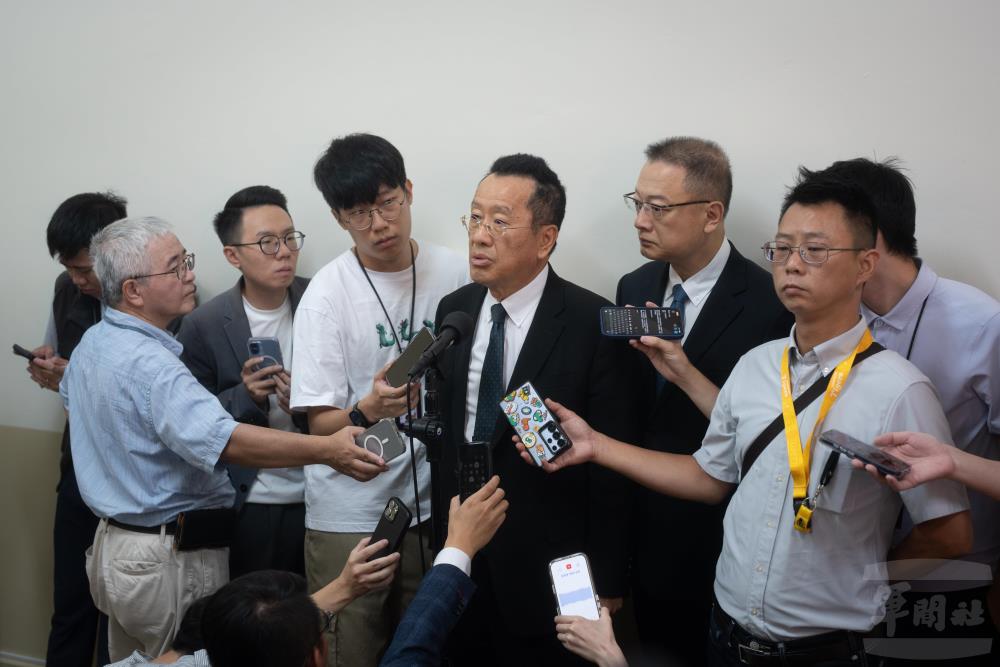 Minister Koo: Training Is the Foundation of Combat Power; Armed Forces Training Rigorously to Ensure Full ReadinessMinister of National Defense Wellington Koo Li-hsiung appeared before the Legislative Yuan’s Foreign Affairs and National Defense Committee this morning to deliver a special report and answer legislators’ questions. Speaking to the media beforehand, Minister Koo said training is the foundation of combat power. The Armed Forces will make comprehensive preparations and continue training rigorously and consistently to strengthen force development and combat readiness. He also expressed hope for greater public support. Asked about the focus of the field-training phase of the “Han Kuang 42 Exercise” and Taiwan-U.S. cooperation, Minister Koo described the field exercise as the culminating validation of the Han Kuang exercise series. Beginning with computer-assisted war games, namely command-post exercises, and progressing through the Rapid Response Exercise, the Joint Defense Exercise, and the Han Kuang field exercise, each stage employs realistic, scenario-driven but unscripted training. Continuous scenario injects require units to respond as events unfold, testing commanders’ judgment and the orders they issue. Regarding Taiwan-U.S. military exchanges, Minister Koo said the Ministry draws on the U.S. military’s experience in realistic training to enhance the Armed Forces’ operational capabilities. Cooperation with friendly partners also strengthens Taiwan’s overall force-development and combat-readiness efforts. Asked about the 2027 defense budget and new unmanned ground systems, Minister Koo replied that the Ministry formulates its budget in consideration of enemy threats, defensive operational requirements, and the government’s overall fiscal capacity. Defense spending will target 3% of GDP, with the Executive Yuan to make a coordinated announcement at a later date. Responding to reports that China was harassing Taiwan’s surrounding waters and airspace under the pretext of “joint combat-readiness patrols” as the Han Kuang Exercise began, Minister Koo said the Ministry has contingency plans in place for continued PLA activities around the Taiwan Strait during the exercise. Such activities will not interrupt the exercise, and all training events will proceed as planned. Asked about Japan’s recently released defense white paper, Minister Koo said the report describes the threat from China as “an unprecedentedly significant strategic challenge” to Japan and a matter of serious concern. Peace and stability in the Indo-Pacific are of vital importance. The Ministry will continue working with friendly partners to strengthen intelligence exchanges and collective deterrence. Taiwan will also increase its defense budget and fulfill its responsibility to defend the country.2026/08/05
 -
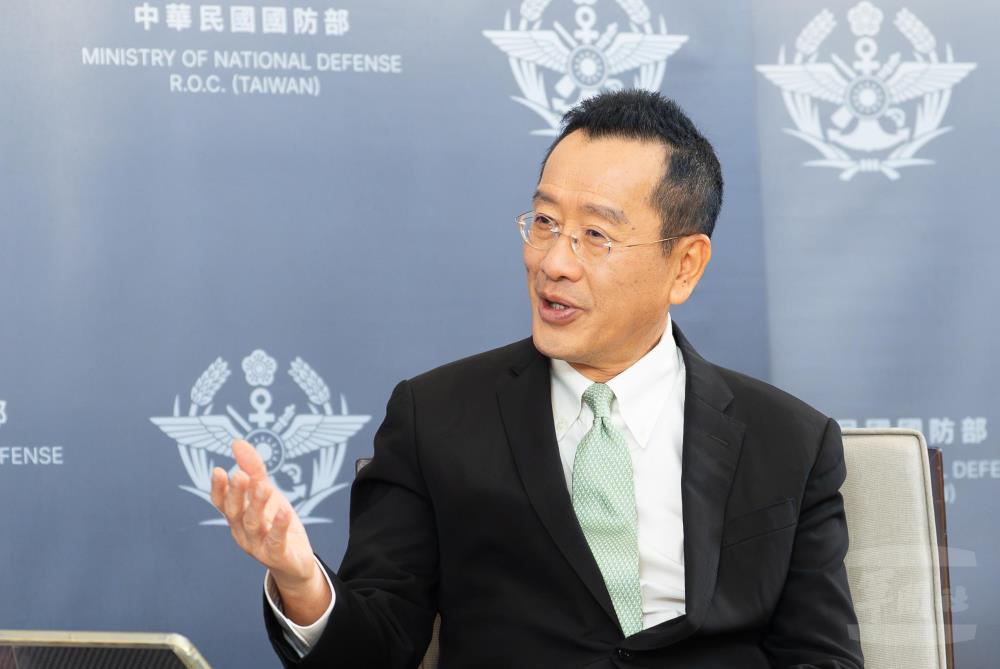 Minister Koo: Deepening Security Cooperation and Defense Self-Reliance to Build Taiwan’s Layered Defense CapabilitiesMinister of National Defense Wellington Koo Li-hsiung said in a recent media interview that, in the face of China’s escalating military threats, Taiwan will strengthen its self-defense capabilities while deepening security cooperation with like-minded countries to create collective deterrence. The Ministry of National Defense is also advancing programs for the domestic production of unmanned systems, counter-drone capabilities, and the “Taiwan Dome,” using layered defense and intelligence fusion to enhance Taiwan’s overall defense capabilities. Minister Koo recently sat down for interviews with the Central News Agency and other media outlets, accompanied by Vice Chief of the General Staff (Executive) General Huang Chih-wei, Director-General of the Department of Strategic Planning Lieutenant General Huang Wen-chi, and Deputy Chief of the General Staff for Operations and Planning Lieutenant General Hou Chia-lun. During the interviews, he responded to questions on regional security, security cooperation, defense self-reliance, and unmanned systems. Addressing security in the Indo-Pacific, Minister Koo said countries should increase defense spending, strengthen their self-defense capabilities, expand training, and bolster their military capabilities. Together, these efforts can create collective deterrence against any attempt to unilaterally alter peace and stability across the Taiwan Strait through force or coercion, requiring China to consider the potential responses of both Taiwan’s Armed Forces and other countries in the region before taking such action. Minister Koo noted that the waters east of Taiwan are also vital sea lines of communication for Japan and South Korea. Should the regional security environment undergo a major change, Taiwan would not be the only country required to confront and address the consequences. Regarding Japan’s concept of a “survival-threatening situation,” Minister Koo said Japan is itself facing pressure from Chinese gray-zone activities and joint Chinese-Russian patrols. If Japan determines that circumstances have reached the threshold of a survival-threatening situation, whether it exercises its right of self-defense is a decision for the Japanese government to make based on its own assessment. Turning to Taiwan-U.S. security cooperation, Minister Koo stressed that cooperation extends far beyond the arms sales visible to the public and encompasses a broad range of areas. Personnel seen participating in exchanges during exercises and training activities represent only a small part of the overall relationship. The Armed Forces will continue drawing lessons from the operational experience of friendly partners and adapting them to Taiwan’s defense requirements, the threats it faces, and PLA tactics and methods. These lessons will inform adjustments to Taiwan’s own tactics, techniques, exercises, and training to enhance its defensive capabilities. On defense self-reliance, Minister Koo said Taiwan possesses highly flexible manufacturing capabilities. Going forward, Taiwan will integrate expertise from various countries in defense industries and emerging technologies while excluding supply chains that pose security concerns, including Chinese flight-control systems and communications modules. To this end, the Ministry has proposed a NT$210 billion special budget for unmanned systems, focusing on coastal surveillance and reconnaissance drones, coastal attack drones, and small one-way attack unmanned surface vessels. Through sustained, large-scale demand from the Armed Forces, the Ministry hopes to encourage domestic manufacturers to invest and establish a comprehensive production chain at scale that is free from China-linked supply chains. On counter-drone capabilities, Minister Koo noted that a wide range of soft-kill and hard-kill options are available, including electronic jamming, lasers, high-power microwave systems, automated gun turrets, and various interceptors. The Armed Forces will deploy appropriate countermeasures based on unit echelon, threat type, and cost-effectiveness. Technologies that have reached sufficient maturity will be advanced through formal acquisition programs or small-batch procurement, while the National Chung-Shan Institute of Science and Technology (NCSIST) will continue related research and development. Counter-drone capabilities must also be integrated into the broader air-defense and fire-coordination architecture so that the most efficient countermeasure can be assigned according to the nature of each threat. Asked about progress on the “Strong Bow” missile and the “Taiwan Dome,” Minister Koo said the Strong Bow missile has completed testing and evaluation and will be included in the relevant budget. The Taiwan Dome, meanwhile, is intended to establish a layered defense encompassing capabilities against ballistic missiles, combat aircraft, long-range fires, and unmanned systems. The Armed Forces will integrate U.S.-made and domestically developed systems, enhance the capabilities of various sensors, and fuse the intelligence and data they provide. The most appropriate effector can then be assigned according to the nature of the threat, improving the efficiency of fires across the overall air-defense architecture. Asked about weapons and equipment acquisition, Minister Koo said future procurement will emphasize mobility, survivability, and operational flexibility, while also reducing the identifiability of military assets and employing a diverse range of platforms to perform missions. Director-General of the Department of Strategic Planning Lieutenant General Huang Wen-chi added that the Armed Forces have moved away from the former mindset of simply “buying what is available.” Systems and platforms are now evaluated according to their suitability for the defense of Taiwan and Penghu, with dual-use, military, and civilian platforms all considered in force-development planning. Regarding legislative review of the special budget for unmanned systems, Minister Koo said the Ministry of National Defense continues to hope that the Executive Yuan’s NT$210 billion proposal will be approved and will maintain dialogue with the Legislative Yuan. If the Executive Yuan’s version does not pass, the relevant programs would have to return to the annual budget process. However, he cautioned against placing all categories of unmanned systems, including aerial, surface, ground, and underwater platforms, along with testing facilities and industrial development expenditures, under a single NT$40 billion annual ceiling, as doing so could constrain future capability development and force-development flexibility. Minister Koo added that, beyond the unmanned systems and Strong Bow missile programs already discussed, the Ministry is continuing to advance programs involving Rui Yuan UAVs, counter-drone systems, ammunition production, and Tactical Assault Kit (TAK) capabilities. A supplementary budget is also being prepared. The Ministry will continue proposing the defense funding required under its joint operations plans, capability-development priorities, and actual operational requirements to strengthen Taiwan’s indigenous defense industry and overall defense capabilities.2026/08/03
 -
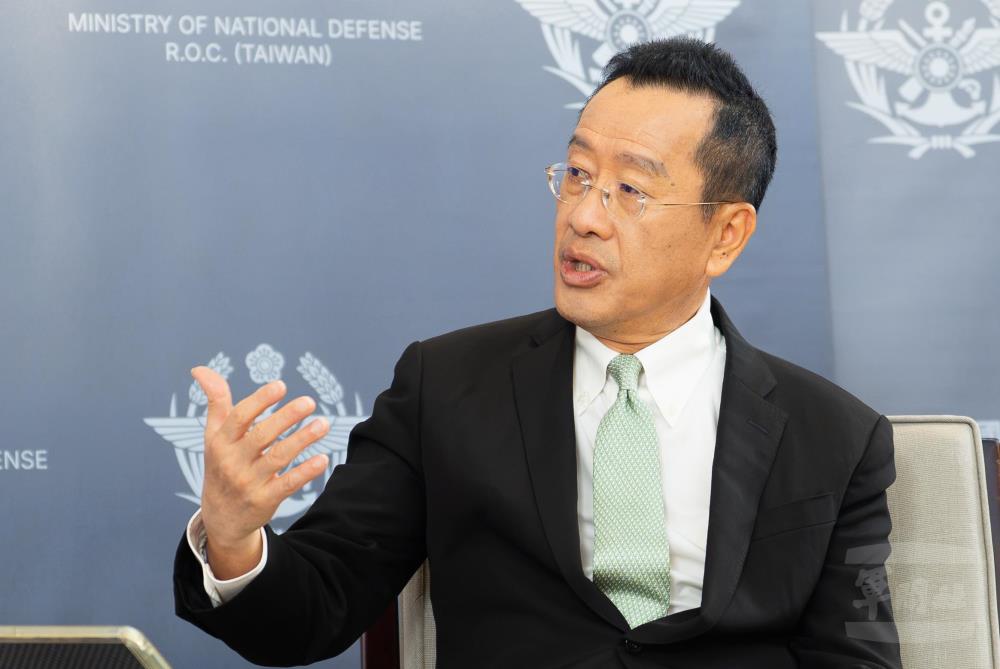 Minister Koo: Han Kuang Exercise to Strengthen Adaptive Responses, Build Multi-Domain Denial and Sustained Combat CapabilitiesWith the field-training phase of the “Han Kuang 42 Live Exercise” set to begin soon, Minister of National Defense Wellington Koo Li-hsiung said in a recent media interview that this year’s exercise will have higher-echelon units play the role of the “opposing force” and continuously inject unscripted scenarios based on the latest patterns of threats posed by China. The approach is intended to strengthen commanders’ ability at all levels to respond to changing circumstances and exercise decentralized command and control. The Armed Forces have also shifted away from the previous concept of seeking “a decisive battle at the shoreline” toward “multi-domain denial,” while adjustments to the force structure and more precise mobilization are being used to build sustained operational capability. Minister Koo recently sat down for interviews with the Central News Agency and other media outlets, accompanied by Vice Chief of the General Staff (Executive) General Huang Chih-wei, Director-General of the Department of Strategic Planning Lieutenant General Huang Wen-chi, and Deputy Chief of the General Staff for Operations and Planning Lieutenant General Hou Chia-lun. During the interviews, he responded to questions on realistic training in the Han Kuang Exercise, operational resilience, force structure, and precision mobilization. Addressing efforts to make this year’s Han Kuang Exercise more realistic, Minister Koo said, “Training can always be improved.” Higher-echelon units will serve as the “opposing force,” injecting unscripted scenarios in real time in response to developments during the exercise. This will train commanders at every level to understand their higher headquarters’ intent as well as their own missions. Even in a worst-case scenario in which command centers are destroyed or contact with higher command is lost, units down to the company, platoon, and squad levels must still be able to continue carrying out their combat missions. Vice Chief of the General Staff (Executive) General Huang Chih-wei noted that corresponding conflict scenarios will be incorporated into every phase of the exercise, including scenarios involving lawfare, cognitive warfare, and gray-zone activities based on the latest patterns of threats posed by China. Minister Koo further explained that these scenarios are not devised in isolation, but are based on assessments of the threat environment and joint operations plans. Units at all levels will continually be presented with changing situations requiring them to adapt, ensuring that every service member clearly understands the mission and can put decentralized command and control into practice. Deputy Chief of the General Staff for Operations and Planning Lieutenant General Hou Chia-lun said the Armed Forces have transformed their approach to realistic training. Instead of moving according to a predetermined schedule to designated locations to carry out preplanned tasks, training now incorporates existing key military positions and facilities as well as current battlefield conditions, with unscripted scenarios continually expanding the scope of the exercise. At the same time, the Armed Forces have shifted their strategic thinking from seeking a “decisive battle at the shoreline” toward “multi-domain denial.” Defense operations plans are being revised accordingly to incorporate the concept of overall defense resilience. Responding to public interest in the Armed Forces’ ability to sustain operational capability, Minister Koo stressed that Taiwan does not plan on the assumption that its forces must fight for a prescribed number of days. The fundamental objective is to ensure that any full-scale Chinese invasion fails. Exercise training will extend from the preservation of frontline combat power to operations in depth, progressively testing sustained combat operations through different phases. Preparations also encompass logistical resupply, personnel replacements, combat-power regeneration, and cross-regional maneuver, all integrated with whole-of-society defense resilience. On force structure, Minister Koo said recruitment targets for the volunteer force have been met and overall personnel numbers are trending upward. The Armed Forces will continue to build up overall manpower through the dual-track system of volunteer and compulsory military service. Next year, the first cohort subject to one-year compulsory military service will graduate from university, with approximately 30,000 conscripts expected to enter service. They will undergo a complete training progression covering basic training, home-station training, base training, and joint operations training before gradually reinforcing frontline combat units, garrison brigades, and reserve forces. After completing their service, reservists are expected to be called up for 14 days of refresher training annually, replacing the previous schedule of 14 days once every two years. This will enable them to rapidly regain combat proficiency upon mobilization and implement the principle of “returning personnel to their original wartime assignments.” Minister Koo added that the Armed Forces will review combat-readiness indicators brigade by brigade and battalion by battalion, including personnel levels, equipment readiness, training, and logistics. This will enable more precise assessments of each unit’s organization, specialist skills, and requirements for replacing personnel and materiel lost through combat or attrition. Civil-military integration and mechanisms for mobilizing manpower and material resources will also be incorporated to improve the precision of reserve management and mobilization. Former service members who acquire highly specialized skills in the civilian sector after leaving the military will also be incorporated into the mobilization management system and, when necessary, may be specifically selected for assignments based on their expertise. The resumption of selection programs for reserve officers and noncommissioned officers will help replenish junior leadership positions in garrison and reserve units. For highly specialized Navy and Air Force positions involving aviation, ships, logistics, and other technical fields, the All-out Defense Mobilization Agency will consolidate the requirements of the three services and maintain an accurate picture of veterans possessing the necessary expertise. Lieutenant General Huang Wen-chi, Director-General of the Department of Strategic Planning, said this year’s Han Kuang Exercise will also incorporate large-scale medical resilience preparations and the mobilization and integration of defense industries to validate sustained combat and mobilization readiness. These activities will test the integration of medical, logistical, and industrial capacity with the Armed Forces’ ability to sustain operations, further strengthening their capacity to respond to a complex battlefield environment and enhancing overall defense resilience.2026/08/03
 -
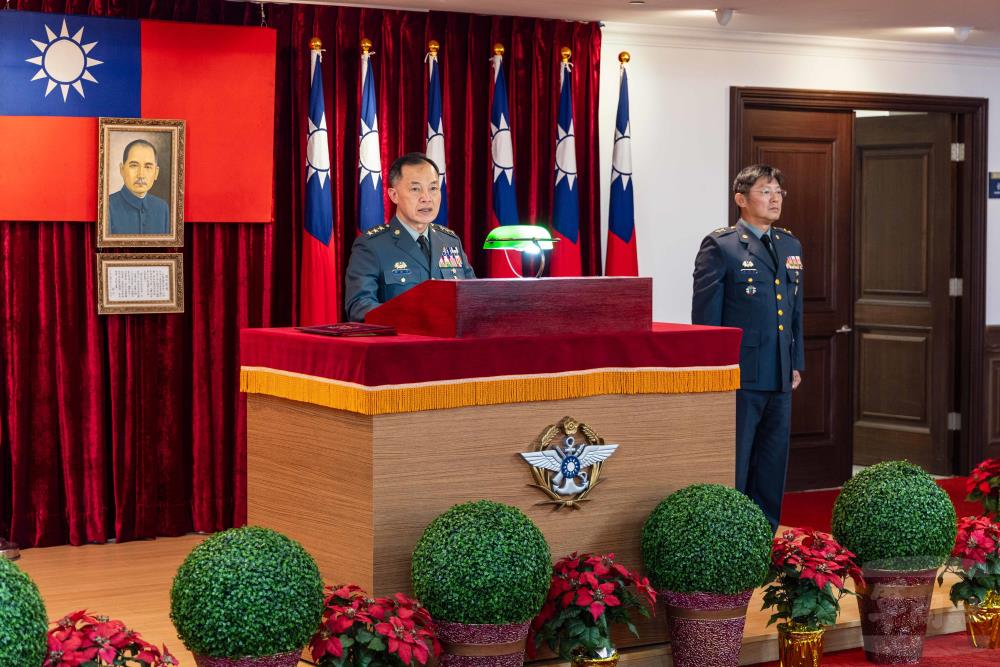 New Armaments Bureau Director-General Takes Office; Vice Minister Chung Calls for Stronger Defense Self-RelianceVice Minister of National Defense for Armaments General Chung Shu-ming today presided over the installation ceremony for the new Director-General of the Armaments Bureau, Lieutenant General Huang Chao-cheng. He encouraged the Bureau, under Lieutenant General Huang’s leadership, to continue improving armaments readiness, weapons and equipment acquisition, and contract performance management; integrate defense technology with the capabilities of private industry; strengthen the foundations of defense self-reliance; and enhance the Armed Forces’ overall combat capabilities. The installation ceremony for the Director-General of the Ministry of National Defense’s Armaments Bureau was held this morning at Bo’ai Camp. During the ceremony, Vice Minister Chung first read the official appointment order, after which Lieutenant General Huang Chao-cheng took the oath of office and formally assumed his new position. Vice Minister Chung noted that the Armaments Bureau is responsible for armaments readiness, the research, development, and production of defense technologies and weapons systems, as well as military engineering and real property management. In recent years, the Bureau has achieved strong results in supporting the services with major weapons acquisition programs, defense technology R&D, oversight of military construction projects, and more effective use of military real estate. He encouraged all personnel to continue embracing innovation and reform while strengthening coordination and cooperation across departments. Vice Minister Chung emphasized that defense self-reliance is an essential foundation for strengthening the Armed Forces’ combat capabilities. In the face of serious threats, weapons and equipment acquisition must be driven by actual force-development and combat-readiness requirements. Procurement must be conducted in accordance with the law, while procurement strategies and contract performance management should be continually improved. Qualification reviews and contract oversight must also be strengthened to safeguard national defense and security. Finally, Vice Minister Chung encouraged the Armaments Bureau to maintain close cooperation with the National Chung-Shan Institute of Science and Technology (NCSIST), guided by the principles of “establishing core capabilities, integrating resources, forming strategic alliances, and promoting specialization and cooperation.” By integrating private-sector technologies and external resources, the Bureau should expand the scale of domestic defense production. He also called on all personnel to work together under Director-General Huang’s leadership to build credible combat capabilities.2026/07/31
 -
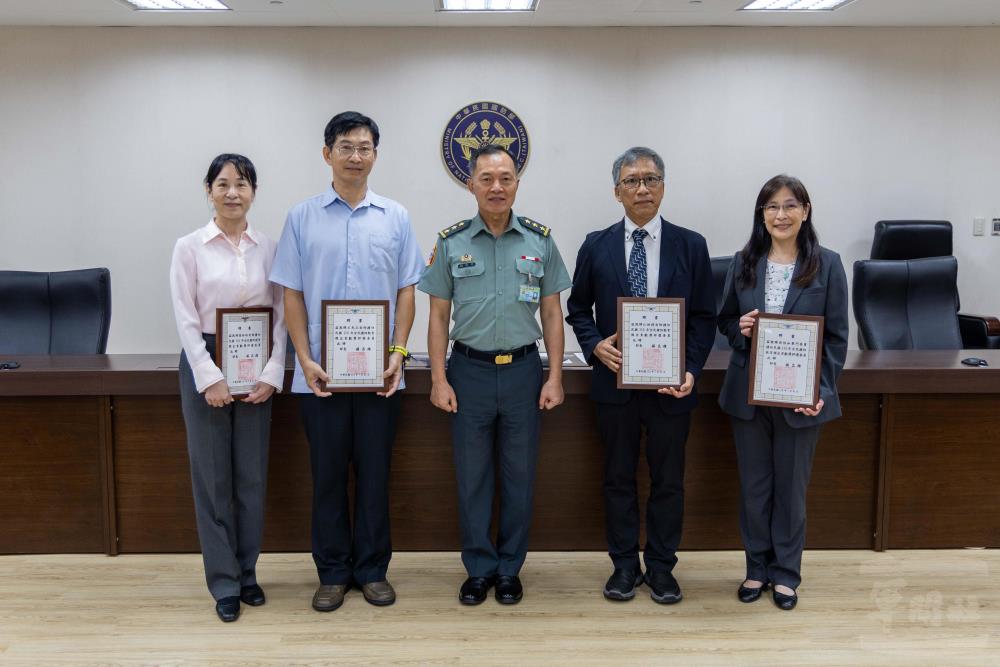 Vice Minister Chung Chairs Two Selection Panels, Calls for Fair Selection of Exemplary Individuals and UnitsVice Minister of National Defense for Armaments General Chung Shu-ming today chaired the 2026 selection meetings for the “Outstanding Contribution Award in All-out Defense Education” and the “Outstanding Armed Forces Personnel and Exemplary Units.” He encouraged panel members to uphold the principles of fairness, impartiality, and transparency, apply their professional expertise, and objectively select outstanding individuals and organizations for recognition of their contributions to all-out defense education and excellence in combat readiness and training. Both meetings were held at the Ministry’s Bo’ai Camp. At the selection meeting for the “Outstanding Contribution Award in All-out Defense Education,” Vice Minister Chung first presented certificates of appointment to the panel members, who then reviewed the individuals and organizations nominated by participating units. At the selection meeting for “Outstanding Armed Forces Personnel and Exemplary Units,” the panel evaluated personnel and units nominated following preliminary selection according to the established criteria. Once the results of both selections are formally approved, the selected individuals and organizations will be publicly recognized at the Ministry’s “2026 Armed Forces Day and All-out Defense Education Day Awards Ceremony.” On behalf of Minister of National Defense Wellington Koo Li-hsiung, Vice Minister Chung thanked the panel members for taking the time to participate. He expressed hope that they would select outstanding individuals and organizations dedicated to advancing all-out defense education, recognize their contributions to national defense, and continue supporting all-out defense education and major defense policies. Regarding the selection of “Outstanding Armed Forces Personnel and Exemplary Units,” Vice Minister Chung said the honorees represent the exceptional performance of Armed Forces personnel over the past year in combat readiness and training, military discipline, and other areas. Their selection also serves as important recognition of the dedication and hard work of frontline personnel and units. He therefore urged panel members to avoid preconceived judgments and ensure that those selected are truly worthy of serving as examples for the entire Armed Forces. Vice Minister Chung also encouraged relevant units to highlight the achievements of the selected personnel and units through a variety of publicity and media channels, showcasing their dedication to combat readiness and training and allowing their example to inspire others. At the same time, service members and units that performed exceptionally well but were not selected should also receive appropriate recognition and encouragement.2026/07/31
 -
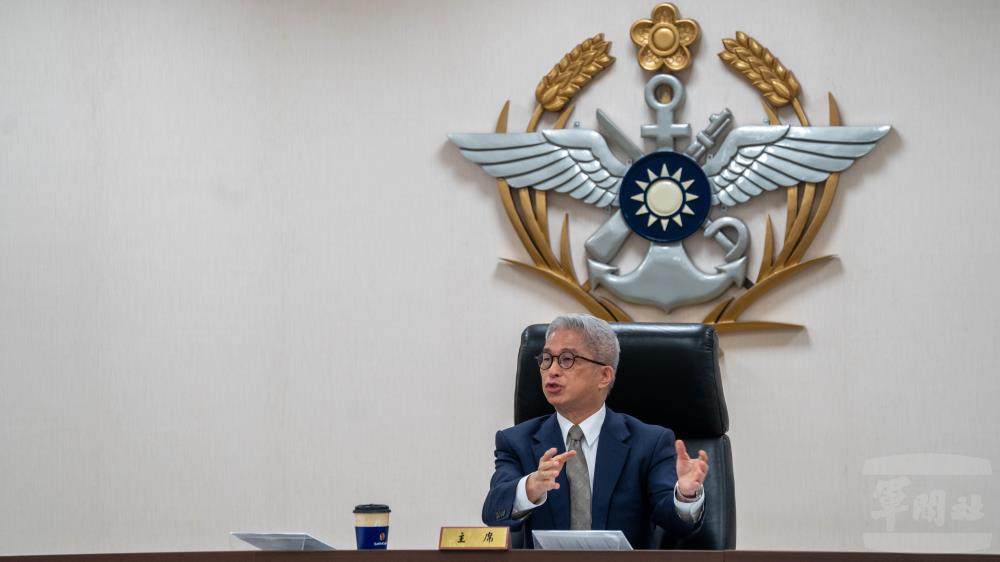 MND Holds Preparatory Meeting for GDI External Expert Assessment, Strengthening Integrity and Good GovernanceThe Ministry of National Defense held its fourth preparatory meeting for the Government Defence Integrity Index (GDI) external expert assessment today at Bo’ai Camp. Chaired by Vice Minister of National Defense Hsu Szu-chien, the meeting brought together leading domestic experts in government ethics and integrity. Through external assessment and internal-external collaboration, the Ministry hopes to gather a broad range of recommendations, enhance transparency and accountability in defense governance, and align its practices with current international trends in integrity and good governance. Vice Minister Hsu explained that the GDI comprehensively assesses countries across five risk areas: political affairs, finance, personnel, military operations, and procurement. It is also an important performance indicator under the Executive Yuan’s “National Integrity Building Action Plan.” Taiwan has participated in three previous GDI assessments and received a B rating, indicating a low risk of corruption, on each occasion. In the most recent assessment, New Zealand was the only one of the 86 countries evaluated to receive an A rating, while Taiwan was the only Asian country to rank among the top 10. These results demonstrate the resilience of Taiwan’s defense institutions and their ability to support the development of a robust and credible deterrent force. Integrity is a vital foundation of national defense, Vice Minister Hsu emphasized. In recent years, Taiwan has steadily advanced defense investment, indigenous defense capabilities, and related reforms. The Ministry has also continued promoting integrity education throughout the Armed Forces, strengthening internal and external controls, and improving integrity governance. Participation in the global GDI assessment allows the Armed Forces, through the collective efforts of government agencies, scholars, experts, and nongovernmental organizations, to demonstrate a law-abiding, pragmatic, and integrity-driven military culture. This further strengthens public confidence in force development, combat readiness, major exercises, and disaster prevention and relief preparations. Vice Minister Hsu also noted that “gender equality” would be introduced as a new topic in the forthcoming GDI assessment. The Ministry has progressively increased the number of women serving as volunteer personnel, continued advancing gender mainstreaming and equality, and worked to create a respectful and inclusive workplace. In closing, Vice Minister Hsu stressed that Taiwan’s strong GDI results had not been achieved overnight. They reflected the combined efforts of government officials, scholars, experts, and every member of the Armed Forces. Their dedication continues to drive the Ministry’s progress. He invited the external scholars and experts attending the meeting to work with the Ministry during the ensuing discussions to further improve its systems and ensure that unlawful conduct, opportunistic wrongdoing, infiltration, and sabotage have no place to hide.2026/07/29
 -
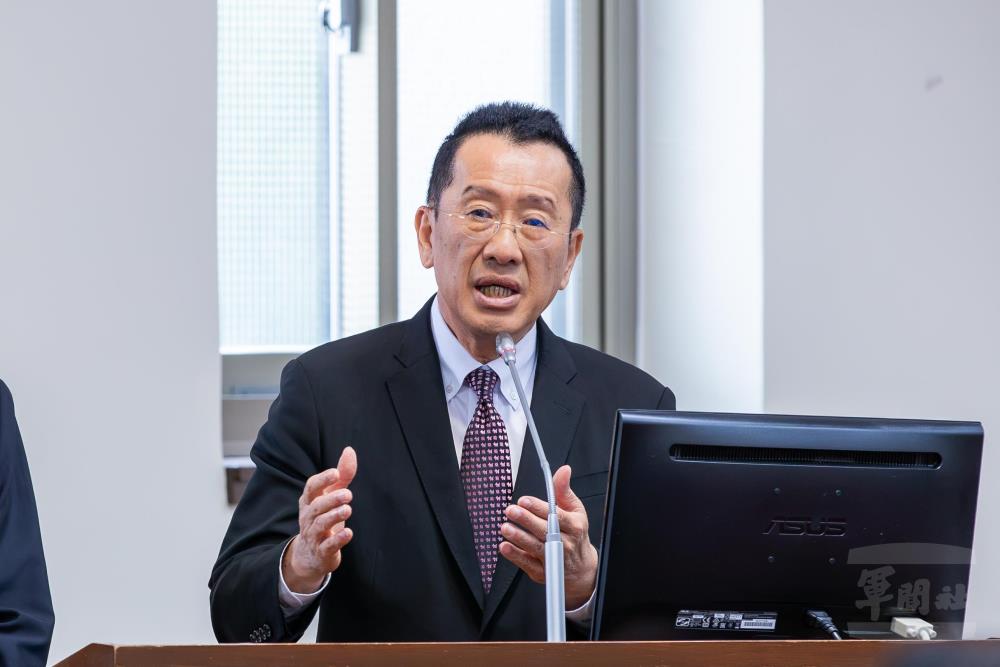 Special Act on Unmanned Systems Reviewed; Minister Koo Calls for Support for Executive Yuan’s VersionThe Legislative Yuan’s Economics, Foreign Affairs and National Defense, and Finance Committees today held the second joint meeting of the fifth session of the 11th Legislative Yuan to review draft versions of the Special Act for the Procurement of Domestically Developed Unmanned Vehicles for National Defense proposed by the Executive Yuan and various legislative caucuses. With the exception of Proposal No. 13, which will undergo further review at a later date, the proposals were referred for cross-party negotiations before being submitted to the legislative plenary for deliberation. Minister of National Defense Wellington Koo Li-hsiung said that a special act must have a clearly defined purpose and specific procurement targets. The Executive Yuan’s version focuses on coastal reconnaissance drones, coastal attack drones, and small one-way attack unmanned surface vessels. These systems would be acquired through a special budget to meet operational requirements for the defense of the Taiwan Strait and strengthen overall defense resilience. Minister Koo explained that unmanned systems encompass a wide range of aerial, ground, surface, and underwater platforms. Including within a single act the specific systems currently planned for procurement, other platforms that may be developed in the future, indigenous production, and overseas procurement would leave the procurement targets insufficiently defined. Defense procurement should be conducted by the Ministry of National Defense based on its professional assessments and operational requirements, while the Ministry of Economic Affairs should guide industrial development. Although the two functions do not conflict, they should not be conflated. Deputy Minister of Economic Affairs Ho Chin-tsang agreed that his Ministry could not decide which platforms the Ministry of National Defense should procure. Designating the Ministry of National Defense as the competent authority would provide a clearer division of responsibilities. Regarding procurement methods, Minister Koo explained that the Executive Yuan’s bill primarily covers the acquisition of Category I and Category II drones. The Ministry has completed assessments of domestic production capacity and market conditions. Subsequent procurement will use open tendering with multiple awards, allowing qualified domestic manufacturers to participate. If the National Chung-Shan Institute of Science and Technology has systems that meet the Ministry’s operational requirements, they will be acquired separately through commissioned production. Procurement programs will also require contractors to continually improve the performance of flight-control software, communications modules, and other components. Long-term orders will help drive iterative innovation throughout Taiwan’s domestic industry. Regarding funding, Deputy Minister Ho said the Executive Yuan’s version sets a ceiling of NT$210 billion and provides funding through a special budget. As the budget would not be subject to the restrictions under Article 23 of the Budget Act, it could provide a stable, long-term source of funding. This approach would reduce procurement uncertainty arising from competition with other budgetary requirements, funding cuts, or delays in the review process, thereby increasing manufacturers’ willingness to invest. Minister Koo cautioned that bringing all unmanned systems under the legislation and requiring the central government to allocate a fixed amount in its annual budget could create discrepancies between actual requirements and the statutory funding level. It could also raise questions about how the Legislative Yuan would subsequently review the funding. The Executive Yuan’s version specifies three types of unmanned systems, but this does not mean that they represent the Ministry’s only requirements, Minister Koo emphasized. Other large and medium-to-large drones, unmanned ground vehicles, and unmanned underwater vehicles that may be procured once the necessary technologies mature will still undergo project planning based on operational requirements. Funding will then be included separately in annual budgets or other procurement programs. Citing the delivery of MQ-9B unmanned aircraft as an example, Minister Koo said the relevant funding is provided through the annual budget. Different types of unmanned systems serving different purposes should therefore be funded through mechanisms appropriate to their specific operational requirements. Addressing domestic-content requirements proposed in some versions of the bill, Deputy Minister Ho said that unmanned systems vary considerably. The feasibility of domestic production for each platform is also affected by uncertainties such as the pace of technological development and changes in market conditions. Writing a uniform domestic-content percentage into law could therefore create difficulties during implementation and subsequent procurement. Minister Koo added that military unmanned systems procured from overseas could not readily comply with a fixed domestic-content requirement. The Ministry’s procurement of unmanned systems must remain based on military specifications that meet operational requirements. Existing industry support mechanisms and related programs already cover research and development subsidies, investment tax credits, talent development, testing and certification, and supply chain integration. Some legislative proposals also addressed testing sites, production bases, readiness stockpiles, and deployment arrangements. Minister Koo explained that testing sites involve the respective responsibilities of the Ministry of National Defense, Ministry of Transportation and Communications, and local governments and should therefore be coordinated at the Executive Yuan level. Military exercise areas or restricted military zones should not be directly designated by law as testing sites. Similarly, the quantities of unmanned systems held in readiness and their deployment locations should be determined by the Ministry of National Defense according to operational requirements and professional planning. Publicly stipulating such information in legislation could create national security concerns. The Ministry hopes that the Legislative Yuan will support the Executive Yuan’s version, which clearly defines the procurement targets, competent authorities, and source of funding, allowing resources to be concentrated on acquiring priority equipment.2026/07/27