- MNA News
MNA News
-
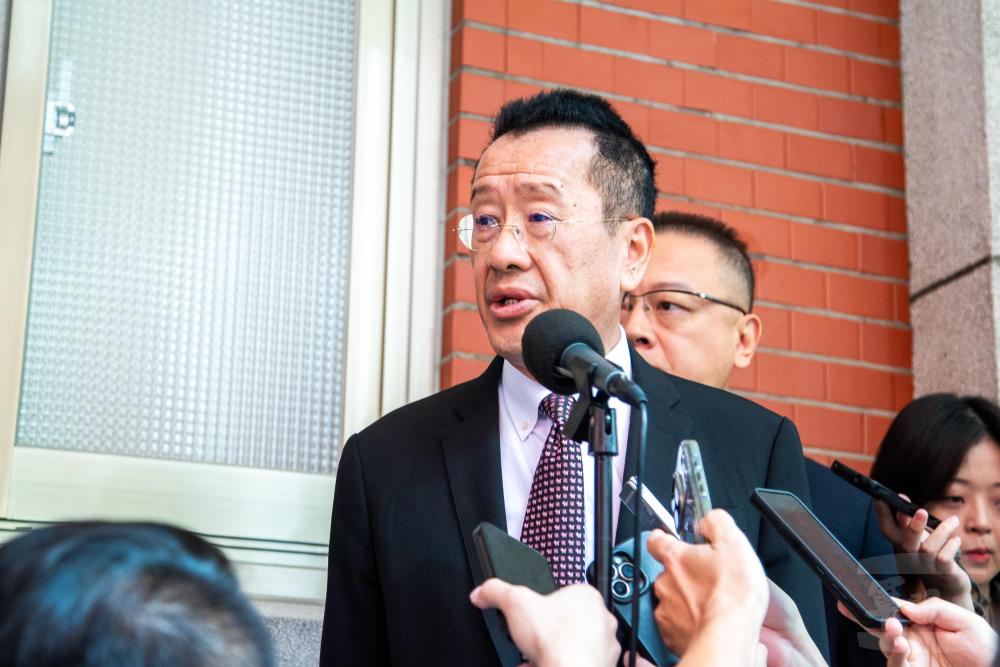 Minister Koo: Presidential Inspection Will Not Affect Han Kuang Exercise Objectives; No Live-Fire Drills Planned on Taiwan ProperMinister of National Defense Wellington Koo Li-hsiung spoke to the media today before attending the second joint meeting of the Legislative Yuan’s Economics, Foreign Affairs and National Defense, and Finance Committees. He said that President Lai Ching-te’s inspection of military units was intended to gain an understanding of preparations for exercises and training and to encourage service members. The visit would not affect the scheduled activities or validation objectives of the Han Kuang Exercise. The Armed Forces currently have no plans to conduct live-fire drills on Taiwan proper and will not arrange any specifically for the presidential inspection. Responding to a question about whether President Lai’s inspection would run counter to the original purpose of military training, Minister Koo explained that the exercise uses realistic training under conditions resembling actual combat to strengthen the Armed Forces’ joint operational capabilities. The President’s visit would neither disrupt routine training nor alter any scheduled activities or validation objectives. Minister Koo also stressed that media reports claiming that the Armed Forces would conduct live-fire drills on Taiwan proper were inaccurate. Although the President’s inspection itinerary was still being adjusted, no live-fire activities would be specially arranged. Regarding a report by the National Audit Office noting that NT$3.7 billion in maintenance funding had been allocated for the Air Force’s AT-3 trainer aircraft despite their impending retirement, Minister Koo explained that the report addressed expenditures from last year. The AT-3 fleet would not begin to be phased out until July this year, so expenses for contractor-provided maintenance and other support remained necessary. Maintenance costs will decline as the aircraft are gradually withdrawn from service. Responding to concerns raised in the National Audit Office’s final accounts report that the Armed Forces’ counter-drone systems do not cover the 5.1 GHz frequency band or address emerging threats such as fiber-optic-controlled and AI-enabled autonomous drones, Lieutenant General Sun Li-fang, Director of the Administration Office of the Minister and Ministry spokesperson, explained that the National Chung-Shan Institute of Science and Technology launched its current counter-drone system project in 2021. The system was designed primarily to counter commercial drones operating on the 2.4 GHz, 5.8 GHz, 1.2 GHz, and 1.5 GHz frequency bands. After China introduced the use of the 5.1 GHz band in 2023, NCSIST planned a system upgrade to incorporate that band into its detection and countermeasure coverage. Lieutenant General Sun further explained that portions of the S-band used by the BeiDou Navigation Satellite System are primarily employed for transmitting and receiving short messages and are not among the frequency bands currently used primarily by drones. These frequencies are also important to Taiwan’s domestic 4G and 5G mobile communications. Under National Communications Commission regulations, they may not be used by general-purpose/civilian drones and were therefore not included in the current counter-drone system. Fiber-optic-controlled and AI-enabled autonomous drones have emerged only in recent years and were not included in the original project. The Ministry is now working through its Defense Innovation Unit to identify mature domestic and overseas suppliers while combining commercial solutions with indigenous research and development to plan future countermeasure systems. Addressing foreign media reports that the PLA had constructed replicas of the Presidential Office Building, government agencies, naval bases, and other facilities for simulated attack or occupation training, Lieutenant General Sun said that the facilities and related PLA activities were within the scope of the Armed Forces’ intelligence, surveillance, and reconnaissance. Following the principle of preparing for the broadest range of enemy capabilities, the Ministry is developing appropriate responses to possible PLA operations against Taiwan while continually strengthening force development, combat readiness, and training. Lieutenant General Sun emphasized that the reports underscored the severity of the current threat. The Armed Forces will respond prudently and continue enhancing all aspects of combat readiness. He also called on the public to support both the annual defense budget and the special defense budget so the military can secure the resources required to improve its training, readiness, and defense capabilities. Regarding the recovery of Taiwan’s share of F-16 development costs, Lieutenant General Sun explained that under US foreign military sales procedures, the maximum recoverable amount of R&D cost-sharing reimbursement under the “Peace Phoenix Rising Program” for the F-16 Block 20 is US$319 million. Approximately US$245 million has been recovered to date. The Air Force will continue using project management mechanisms and regular meetings to monitor other countries’ participation in the program and the reconciliation of foreign military sales accounts, while seeking the R&D cost-sharing reimbursement to which Taiwan is entitled.2026/07/27
 -
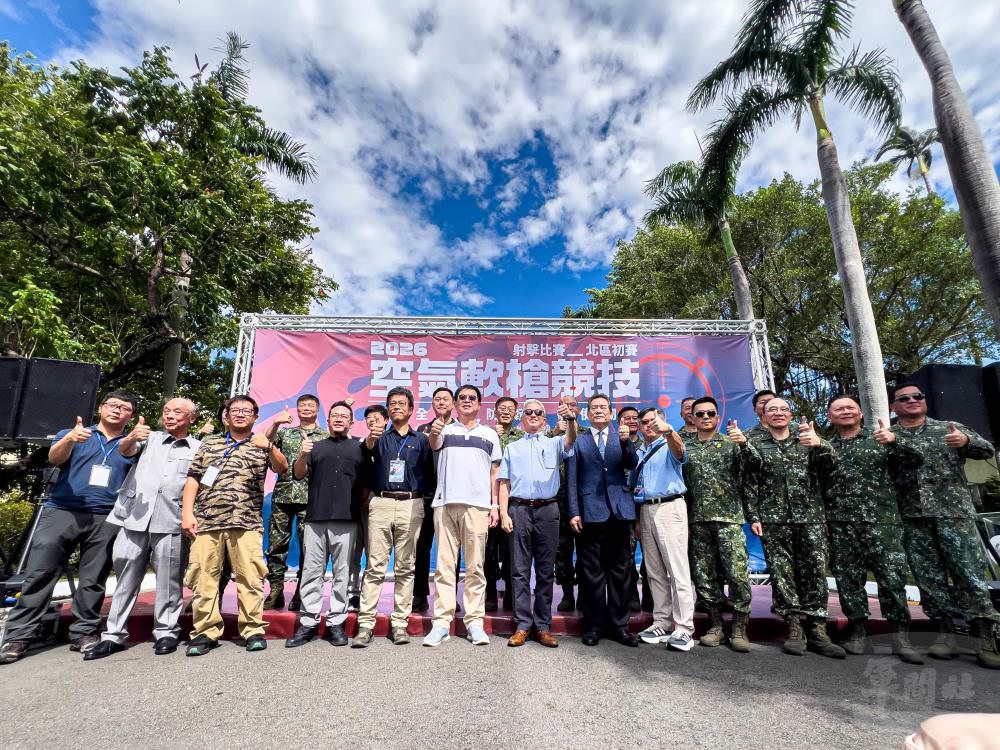 Vice Minister Hsu Presides Over Northern Preliminary Round of Airsoft Shooting Competition, Strengthening Whole-of-Society Defense ResilienceThe Ministry of National Defense’s “2026 National Airsoft Shooting Competition, Northern Preliminary Round” opened today at Fu Hsing Kang College. Presided over by Vice Minister of National Defense Hsu Szu-chien, the event featured competitive airsoft shooting, close-quarters battle (CQB), and simulated battlefield scenarios. Twenty teams comprising 107 reservists from cities and counties across northern Taiwan participated. Military equipment displays and drone demonstrations also attracted nearly 10,000 visitors. The event aimed to deepen all-out defense education and strengthen whole-of-society defense resilience. Vice Minister Hsu presided over the opening ceremony at the National Defense University’s Fu Hsing Kang College campus. Attendees included National Security Council Advisors Huang Chung-yen and Liu Te-chin; Deputy Secretary-General Lii Wen; National Cultural Association of Taiwan Secretary-General Lee Hou-ching; Chief of Army General Lu Kun-xiu; All-out Defense Mobilization Agency Director-General Lieutenant General Liao Chien-shing; Reserve Command Commander Lieutenant General Yu Wen-chen; National Defense University Vice President Lieutenant General Liu Pei-chih; Sixth Army Corps Commander Lieutenant General Lien Chih-wei; Political Warfare Bureau Director-General Lieutenant General Shih Shun-wen; and local village and neighborhood chiefs. In his opening remarks, Vice Minister Hsu first expressed his sincere appreciation to the National Security Council and the organizing units, while paying his highest respects to all participating teams. He said the competition had been made possible by everyone’s collective effort and participation. Hsu explained that the airsoft shooting competition series was initiated at the President’s direction. Under the guidance of the National Security Council and with assistance from the Ministry of the Interior, education authorities, the National Cultural Association of Taiwan, and other organizations, the MND organized the event in partnership with the National Defense Education Association and Formosa Defense Vision. Taiwan’s national security is underpinned not only by its semiconductor and AI industries, but also by the many civil society organizations and businesses that support the country. Reservists and civil defense teams likewise play a vital role in strengthening whole-of-society defense resilience, Vice Minister Hsu noted. Hsu emphasized that the competition was more than a sporting event. It also served as an important platform for strengthening whole-of-society defense resilience. Competitive shooting helps participants develop concentration, judgment, mental resilience, and the ability to respond under pressure, while most importantly fostering teamwork. He added that the value of the competition lay not merely in winning or losing, but in exchanging experience, learning from one another, and growing together. He encouraged participants to uphold the principles of “safety first, fair competition, and friendship through shooting,” follow the rules, respect the judges’ decisions, and demonstrate good sportsmanship. Regardless of the results, every participant who embraced the challenge and gave their all deserving recognition as a winner. Vice Minister Hsu and the attending guests then conducted the opening ceremony and fired the ceremonial first shots. He subsequently visited exhibits presented by the police, fire services, reservists, and the Armed Forces to learn more about their displays. He also thanked participating service members for their hard work and presented an additional food allowance to the units involved. Held in conjunction with the opening of Fu Hsing Kang College campus to the public, the event also featured military equipment displays, drone demonstrations, and interactive all-out defense education exhibits. Through these diverse displays and direct public engagement, the Ministry hopes to deepen all-out defense education, promote whole-of-society defense resilience, and put into practice the conviction to “preserve peace through strength and defend our homeland through action.”2026/07/25
 -
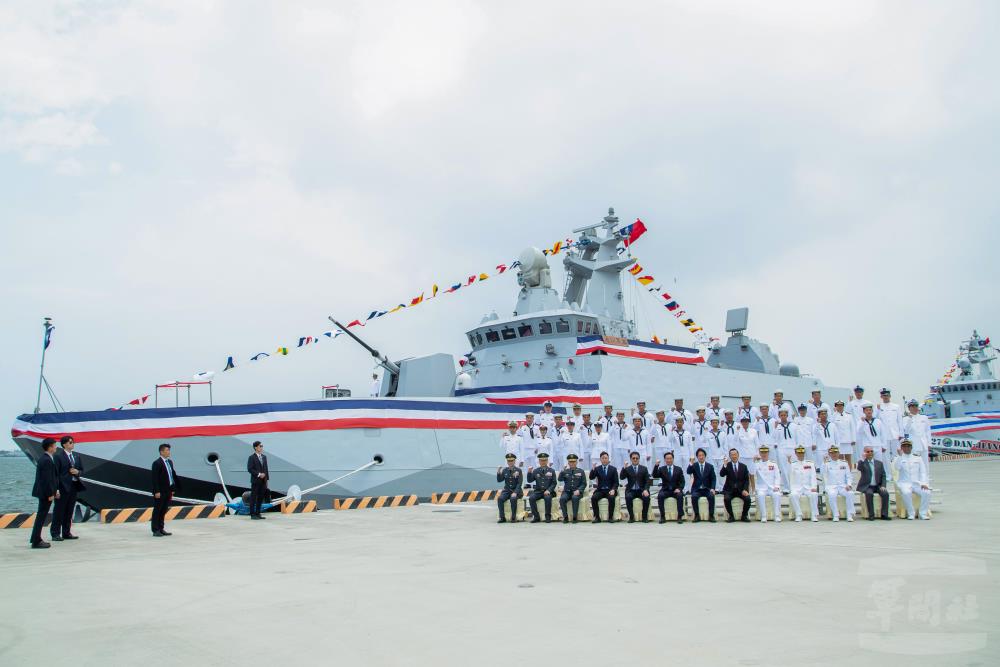 ROCS Dan Jiang Commissioned into Service; President Urges Navy to Safeguard Taiwan’s Waters and Demonstrate Resolve to Defend the NationPresident Lai Ching-te presided over the “commissioning ceremony for the ROCS Dan Jiang” in Kaohsiung this morning. He said the vessel’s commissioning not only marked further progress toward “indigenous naval shipbuilding,” but also demonstrated the Navy’s unwavering resolve to defend Taiwan’s waters and safeguard national security. The President emphasized that Taiwan would continue advancing defense self-reliance through indigenous naval shipbuilding, indigenous military aircraft production, and drone development. By building strength, Taiwan can create effective deterrence and secure peace. He also called on parties across the political spectrum to support defense development and continue strengthening national security and defense capabilities. President Lai presided over the ceremony accompanied by National Security Council Secretary-General Joseph Wu, Minister of National Defense Wellington Koo, National Security Council Advisor Liu Te-chin, National Security Council Deputy Secretary-General Lii Wen, Chief of Navy, Admiral Chiang Cheng-kuo, and other officials. Upon arriving at the venue, the President was accorded full military honors with a 21-gun salute. During the ceremony, President Lai formally issued the commissioning order for the ROCS Dan Jiang. He then presented the ship’s colors and official seal, received a model of the vessel, and reviewed the troops. In his remarks, President Lai said it was a great honor to preside over the commissioning ceremony. On behalf of the nation, he thanked Minister Koo, Admiral Chiang, all Navy personnel, the research and development team and the shipbuilding team, and every member of the industrial supply chain for overcoming numerous challenges. Their efforts had not only brought the ROCS Dan Jiang into service, but also advanced Taiwan’s goal of “indigenous naval shipbuilding.” The three warships moored before the ceremony illustrated the development of the Tuo Chiang-class corvette, the President said. Following the design validation of the prototype ROCS Tuo Chiang, the first batch of production vessels, beginning with the ROCS Ta Chiang, entered service successively. The ROCS Dan Jiang is now the lead vessel of the second production batch. All 12 vessels are expected to be delivered by the end of this year and will jointly defend Taiwan’s waters and safeguard national security. President Lai said the commissioning of the ROCS Dan Jiang held three important meanings. First, it demonstrated the realization of Taiwan’s “indigenous naval shipbuilding” goals. Taiwan can now independently develop, design, construct, and integrate naval systems according to the operational requirements in the Taiwan Strait. It can also perform maintenance and quality improvements, ensuring operational advantage under wartime conditions. Second, the commissioning represented the Navy’s firm determination to defend Taiwan’s waters and protect the nation. As China’s military threats and gray-zone harassment at sea continue to intensify, the commissioning and achievements of the Tuo Chiang-class vessels demonstrate to the public the unity and determination of Navy personnel to defend Taiwan’s waters and safeguard national security. Third, it demonstrated Taiwan’s national security policy of achieving peace through strength by maintaining effective deterrence. President Lai emphasized that peace is priceless and that there are no winners in war. Peace cannot be secured merely by signing an agreement, relying on an aggressor’s goodwill, or accepting an aggressor’s demands. Taiwan firmly believes in securing peace through strength. For decades, the Armed Forces have developed their capabilities and maintained combat readiness with this objective in mind. The President called on the public and legislators from all political parties to support this approach. To build the strength required for effective deterrence and peace, the Ministry of National Defense previously proposed an eight-year special budget totaling NT$1.25 trillion. Regrettably, the Legislative Yuan did not approve the proposal in full, cutting NT$470 billion intended for defense self-reliance, international cooperation, commissioned projects, drone development, and other programs. President Lai stressed that strengthening Taiwan’s defense capabilities, procuring military equipment from abroad, and pursuing international cooperation are all important. Defense self-reliance, however, is even more critical. Indigenous naval shipbuilding, indigenous military aircraft production, and the development of a drone industry that can generate combat capabilities all advance this objective. The President therefore called on the Legislative Yuan to support the special budget proposed by the Ministry of National Defense. He emphasized that the Ministry of National Defense is both the competent authority and the end user and that responsibility for the programs should not be assigned to another ministry. The funding should also be provided through a special budget, allowing defense development and combat readiness programs to proceed steadily over multiple years. He expressed hope that both the public and the Legislative Yuan would support the proposal. With the ROCS Dan Jiang now officially commissioned, President Lai encouraged everyone aboard, from the commanding officer to every crew member, to maintain rigorous combat readiness training in peacetime. When called upon, they must be ready to employ the vessel’s combat capabilities, defend Taiwan’s waters, safeguard national security, and protect the lives and property of the people. The Armed Forces have a proud tradition, he said, and every service member should make full use of their abilities in carrying it forward. President Lai noted that this year marks the 30th anniversary of Taiwan’s first direct presidential election. In 1996, the Armed Forces stood on the front line to safeguard national security, enabling citizens to enter polling stations without fear and cast their ballots in Taiwan’s first presidential election. That election cemented Taiwan’s democratic identity and showed the international community that the people of Taiwan are the masters of their country, that their destiny rests in their own hands, and that no one else has the right to control it. This year also marks the 39th year since martial law was lifted. Taiwan once endured one of the longest periods of martial law in modern history, lasting 38 years. During that time, people were denied freedom and human rights, and some suffered persecution. With the support of the public and through the efforts of the democracy movement, martial law was ultimately lifted by the power of the people. President Lai said this was the first year in which Taiwan’s period of democratization had lasted longer than its period under martial law, giving the occasion profound significance. He therefore took the commissioning of the ROCS Dan Jiang as an opportunity to remind those present that all services of the Armed Forces and every service member have stood on the front line whenever the nation needed them, safeguarding national security and defending democracy. At this critical moment, he called on the Army, Navy, and Air Force to remain united, uphold their proud tradition of force development and combat readiness, and continue standing on the front line. Their service enables the people of Taiwan to enjoy democracy, freedom, and human rights while allowing the economy to continue flourishing. In closing, President Lai once again thanked all personnel on behalf of the people of Taiwan and encouraged everyone to continue working together. After the ceremony, President Lai posed for photographs with service members and presented an additional meal allowance in recognition of their hard work. He then boarded the ROCS Dan Jiang for an inspection. From the foredeck, he observed a maneuver demonstration by the ROCS Xu Jiang and Kuang Hua VI-class missile boats and waved to their crews.2026/07/24
 -
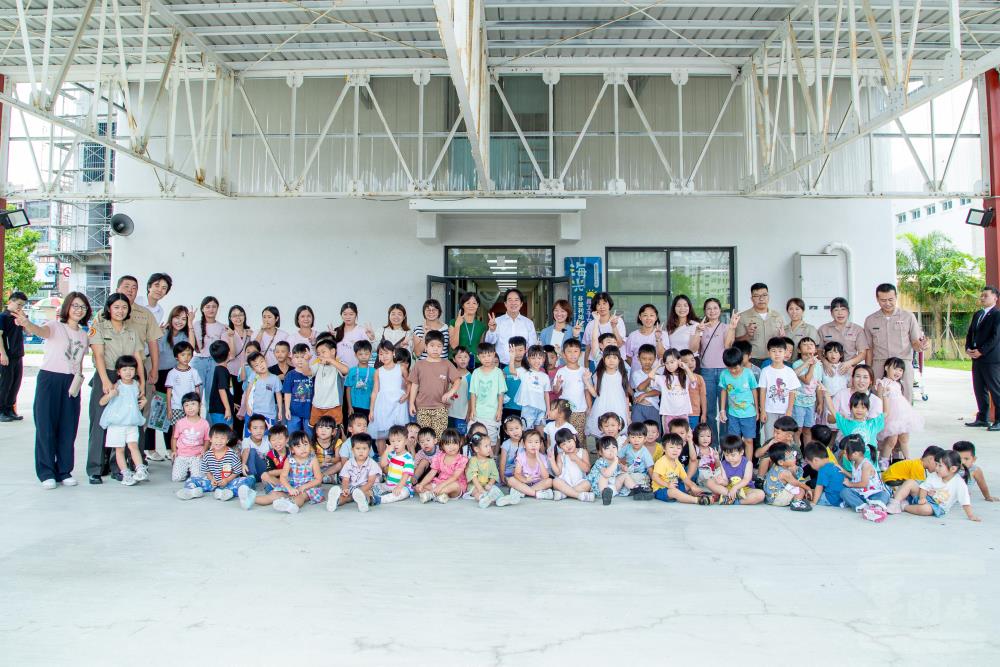 President Lai Visits Haiguang Preschool, Outlines Childcare Policies to Help Young People “Marry with Confidence, Have Children Willingly, and Enjoy Raising Them”President Lai Ching-te visited the Haiguang Nonprofit Preschool for Employees’ Children of the Navy Command, Ministry of National Defense in Kaohsiung this morning. He outlined the government’s childcare policies and subsidies, expressing hope that these measures would ease the financial burden on families, promote equal access to education, and help young people “marry with confidence, have children willingly, and enjoy raising them,” thereby raising Taiwan’s birth rate. President Lai was accompanied by Minister of National Defense Wellington Koo, Minister of Education Cheng Ying-yao, and Chief of Navy Admiral Chiang Cheng-kuo. Upon arrival, the President first interacted with the children and told them the story of a raccoon from the picture book Bravery Soup, encouraging them to develop the courage to face challenges. The atmosphere was warm and cheerful. The President then joined the children’s parents for a discussion on childcare and education. President Lai said the government continues to introduce policies encouraging young people to “marry with confidence, have children willingly, and enjoy raising them.” Under the “National Child Care for Ages 0-6” policy introduced during former President Tsai Ing-wen’s administration, families caring for children at home receive monthly childcare allowances of NT$5,000 for the first child, NT$6,000 for the second, and NT$7,000 for the third. For children under the age of two enrolled in publicly supported childcare, the government provides monthly subsidies of NT$7,000 for the first child, NT$8,000 for the second, and NT$9,000 for the third. Families using quasi-public childcare services receive NT$13,000 per month for the first child, NT$14,000 for the second, and NT$15,000 for the third. For children between the ages of two and six, parents of a first child enrolled in a public preschool pay only NT$1,000 per month. At nonprofit preschools, parents pay NT$2,000 per month for the first child and NT$1,000 for the second, while the third child attends free of charge. At quasi-public preschools, parents pay NT$3,000 per month for the first child, NT$2,000 for the second, and NT$1,000 for the third. The government covers all remaining costs. Approximately NT$120 billion is allocated each year to continually reduce the financial burden on parents and create a more family-friendly childcare environment. President Lai added that since taking office, he has introduced tuition-free education at all senior high schools and vocational high schools, as well as tuition and fee subsidies for students attending private colleges and universities. Each private college or university student receives an annual subsidy of NT$35,000, while students from economically disadvantaged families receive an additional NT$15,000 to NT$20,000 per year. The central government recently introduced the “Growth Allowance for Children Ages 0–18.” From birth through age six, the central government provides NT$5,000 per child each month for parents to use. Between the ages of six and 18, parents may use half of the monthly allowance, while the government deposits the remaining NT$2,500 into a dedicated account. Over 12 years, NT$360,000 will be deposited into the account, with interest guaranteed at no less than the rate offered on a two-year time deposit. The funds can later be used for tuition, vocational training, or even as start-up capital for a business. Reflecting on his own childhood, President Lai recalled seeing classmates leave school early to work in factories after their families encountered unforeseen difficulties. This experience strengthened his determination to “educational equality.” As Taiwan’s economy advances, the government has a responsibility to ensure that every child who wishes to study can do so, regardless of the family into which they were born. Education allows people to acquire professional knowledge, improve their lives, and contribute to a stronger society and nation. Through comprehensive policies, the government hopes both to ease the burden on families and promote educational equality, ensuring that every child has access to education. Turning to improvements in childcare and employment conditions, President Lai said that in addition to allocating funds to support families, the government is encouraging central and local government agencies and state-owned enterprises to establish childcare centers and preschools. Private businesses are also being encouraged to establish quasi-public preschools, with government subsidies available to support them. This will give parents access to childcare near their homes or workplaces, enabling them to work with greater peace of mind. The government will continue systematically advancing educational equality and improving the childcare environment, with the aim of raising Taiwan’s birth rate. At the conclusion of the visit, President Lai posed for photographs with the children, parents, and preschool staff. He then presented the preschool with 《Confidence in Science》storybook collection and distributed small gifts to the children.2026/07/24
 -
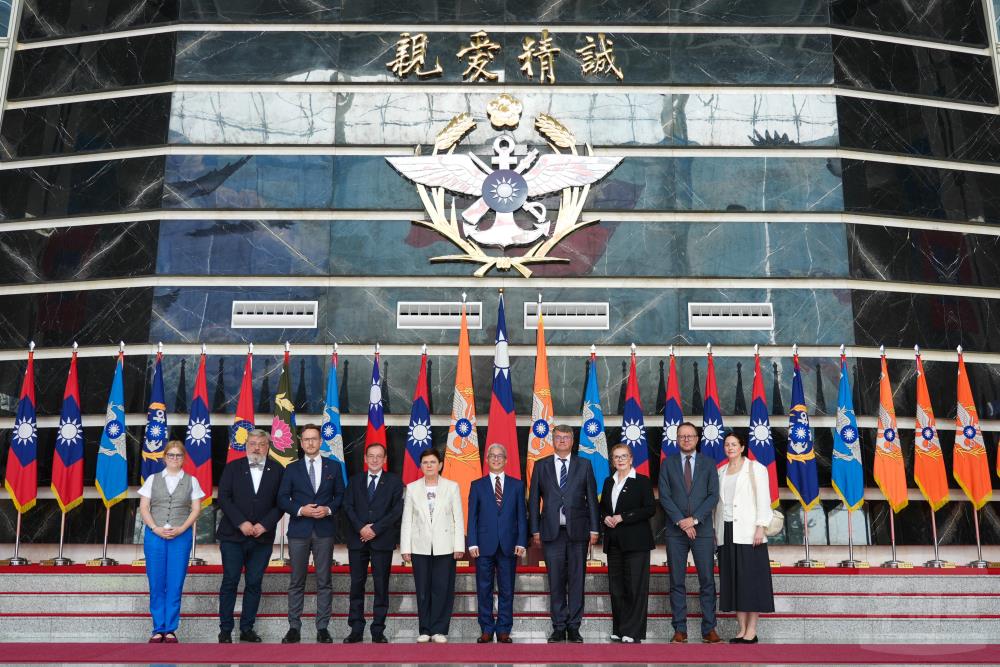 Vice Minister Hsu Receives European Parliament Delegation, Reaffirms Shared Commitment to Regional PeaceVice Minister of National Defense Hsu Szu-chien today received a delegation led by Beata Szydło, a member of the European Parliament’s Special Committee on the European Democracy Shield and former Prime Minister of Poland. The two sides exchanged views on the security situation in the Indo-Pacific, China’s gray-zone harassment, and whole-of-society defense resilience. They also held in-depth discussions on how democracies can jointly respond to authoritarian expansion and deepen security cooperation, demonstrating Taiwan and Europe’s shared commitment to maintaining regional peace and stability. The delegation arrived at the Ministry of National Defense’s Bo’ai Camp this morning, where Vice Minister Hsu welcomed the guests on behalf of the Minister of National Defense, Wellington Koo. In his remarks, Hsu said that China has increasingly employed a combination of military pressure, cognitive warfare, and gray-zone harassment in recent years, posing challenges to security across the Taiwan Strait and throughout the Indo-Pacific. In response, the government is not only continuing to strengthen Taiwan’s defense capabilities, but also actively enhancing digital resilience and cybersecurity to address the risks posed by China-linked supply chains. It is also advancing the development and application of unmanned systems to strengthen overall defense capabilities, preserve Taiwan’s democratic and free way of life, and maintain regional peace and stability. Whole-of-society defense resilience is a vital foundation of national security, Hsu said. Through cooperation between central and local governments, civil society participation, and cross-sector integration, the government is building a more comprehensive national defense framework. Exercises such as the Urban Resilience Exercise are also used to test interagency coordination and civil-military integration. This year’s Urban Resilience Exercise included a network throttling drill for the first time. The drill tested the ability of government agencies and the private sector to respond to compound threats and provided an opportunity to further refine Taiwan’s digital resilience and critical infrastructure protection mechanisms. Vice Minister Hsu thanked the European Parliament for its longstanding attention to security across the Taiwan Strait and its support for Taiwan’s participation in the international community. He said Taiwan would continue deepening exchanges and cooperation with like-minded countries. By sharing experience and expanding cooperation in security, cybersecurity, and whole-of-society defense resilience, Taiwan and its partners can jointly uphold the rules-based international order and safeguard peace, stability, and prosperity in the Indo-Pacific.2026/07/23
 -
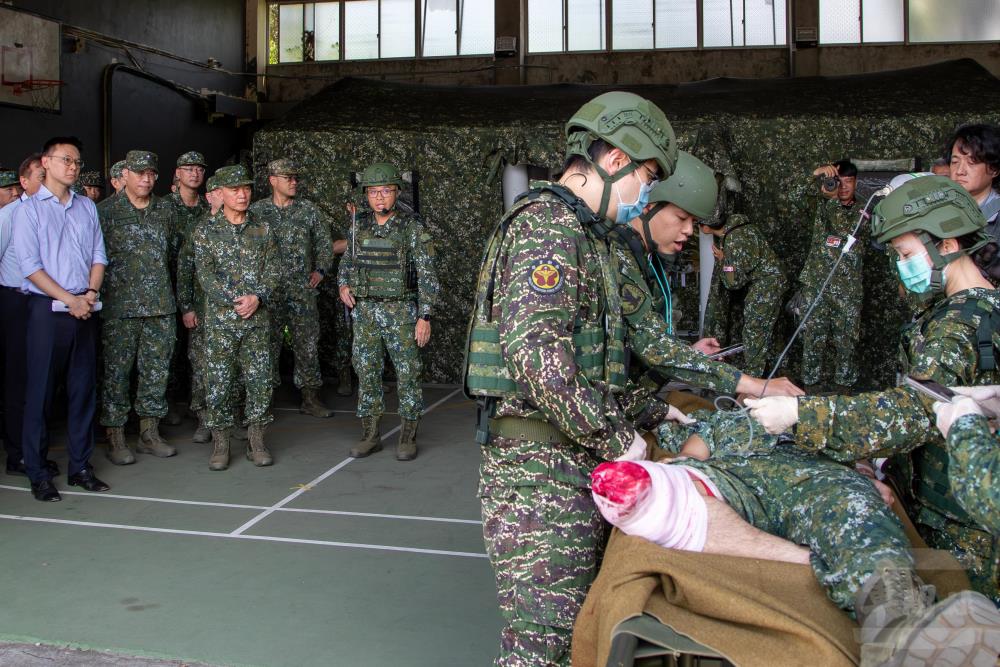 Vice Minister Chung Inspects Fifth Theater of Operations Integrated Medical Exercise, Validating Wartime Medical ResilienceVice Minister of National Defense General Chung Shu-ming today inspected the Armed Forces’ 2026 Fifth Theater of Operations “Military, Public, and Private Medical Integration” Exercise. Designed around realistic combat scenarios, the exercise tested the theater’s medical response capabilities under threat conditions. Participants responded calmly in accordance with standard operating procedures, fully demonstrating the resilience of the integrated medical system. Accompanied by National Security Council Deputy Secretary-General Lin Fei-fan, Vice Chief of Army Lieutenant General Chang Tai-sung, Fifth Theater of Operations Commander Lieutenant General Shao Chih-chun, and Medical Affairs Bureau Director-General Lieutenant General Chen Yuan-hao, Vice Minister Chung visited Taichung Tianhou Temple, the Central Region Resources Branch of the Water Resources Agency, Asia University Hospital, and Taichung Armed Forces General Hospital this morning to observe the exercise. The exercise covered combat casualty care; medical operations at casualty collection points and battalion aid stations; operations at casualty evacuation control points and by forward surgical teams; the delivery of blood products and medical supplies by drone; mass-casualty response; the establishment of underground treatment facilities and walking blood bank operations for the immediate use of freshly donated blood; and the admission and treatment of patients at veterans homes. These activities tested the medical integration mechanism across military, public, and private institutions, as well as the effectiveness of medical support operations. Vice Minister Chung thanked the Taichung City Government, Taiwan Blood Services Foundation, Quanta Computer, and other private-sector participants for contributing to the exercise, which showcased the results of cross-sector cooperation among the military, government, and private sector. Guided by the principle that “even if there is no war for a century, combat readiness cannot be neglected for a single day,” the Armed Forces will continue integrating the capabilities of central and local government agencies and the private sector to strengthen societal and medical resilience and ensure comprehensive wartime preparedness. Vice Minister Chung noted that an integrated military, public, and private medical system must be planned comprehensively in line with each theater’s overall operational concept, assessed threats, and national resilience requirements. Medical resources from the Armed Forces, the Ministry of Health and Welfare, and local providers must be integrated and appropriately allocated according to the different phases of operations and mission requirements. Civilian expertise in smart healthcare, blood supply, and drone logistics should also continue to be incorporated to enhance wartime medical support and overall medical resilience. Chung explained that the exercise not only tested medical support procedures and interagency coordination, but also provided an important opportunity to determine whether medical resources had been allocated according to actual needs. Its results will be systematically compiled through observation, analysis, and after-action reviews (AARs) to inform further improvements in training and preparedness. He further emphasized that the lessons learned should be used to develop standard operating procedures shared by military and civilian medical systems, giving every theater of operations a consistent framework to follow. Medical integration and support capabilities must continue to be refined, while exercise experience should be institutionalized. This will ensure that medical resources from all sectors can be rapidly integrated during wartime, maximize the effectiveness of medical rescue efforts, and strengthen overall emergency response capabilities.2026/07/22
 -
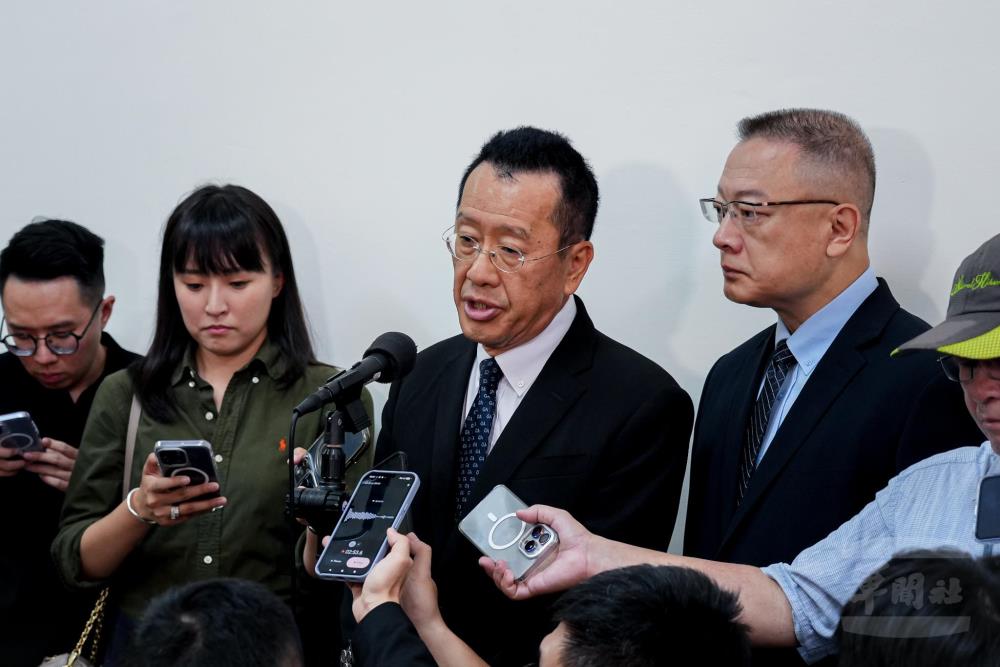 Minister Koo: Armed Forces Continue to Strengthen Backup Command-and-Control Communications Capabilities and Refine Responses to Potential ScenariosMinister of National Defense Wellington Koo appeared today before the Legislative Yuan’s Foreign Affairs and National Defense Committee to deliver a report entitled “Measures to Improve Procurement Strategies in Response to Contract Performance Disputes, Contractor Defaults, and Resulting Delays in the Delivery of Military Equipment” and answer legislators’ questions. Before presenting the special report, Minister Koo spoke to the media about mobile network throttling tests, Armed Forces staffing levels, Taiwan-US military exchanges, and the possibility of a maritime blockade. He said that the Armed Forces continue to strengthen backup command-and-control communications and develop response measures for a range of potential scenarios to ensure the overall effectiveness of defense operations. Regarding the National Communications Commission’s (NCC) plan to conduct a mobile network throttling test during the Han Kuang Exercise, Minister Koo said that this would be the first such test. Mobile network services would be throttled in selected areas, while fixed-line communications would remain unaffected. The test is intended to validate the Armed Forces’ backup command-and-control communications capabilities under simulated conditions. The test will cover 14 cities and counties. Its results will subsequently be reviewed to further refine the relevant plans. Responding to questions about Armed Forces staffing levels, Minister Koo said that overall personnel strength currently remains at approximately 80% of authorized staffing levels. Given the staffing disparities among units, the Ministry continues to review management measures involving duty adjustments, the consolidation of duties, and workloads to maintain unit operations and protect the rights and interests of service members. Regarding Taiwan-US military exchanges, Minister Koo said that the two sides continue to enhance their joint operational capabilities through established military exchanges, professional training, and cooperation. Such cooperation will continue in the future. Asked about the possibility of China imposing a maritime blockade on Taiwan, Minister Koo said that peace and stability across the Taiwan Strait and throughout the Indo-Pacific are vital to global economic development. The Armed Forces have response plans for a range of potential contingencies, and a maritime blockade is among the scenarios for which they have prepared.2026/07/20
 -
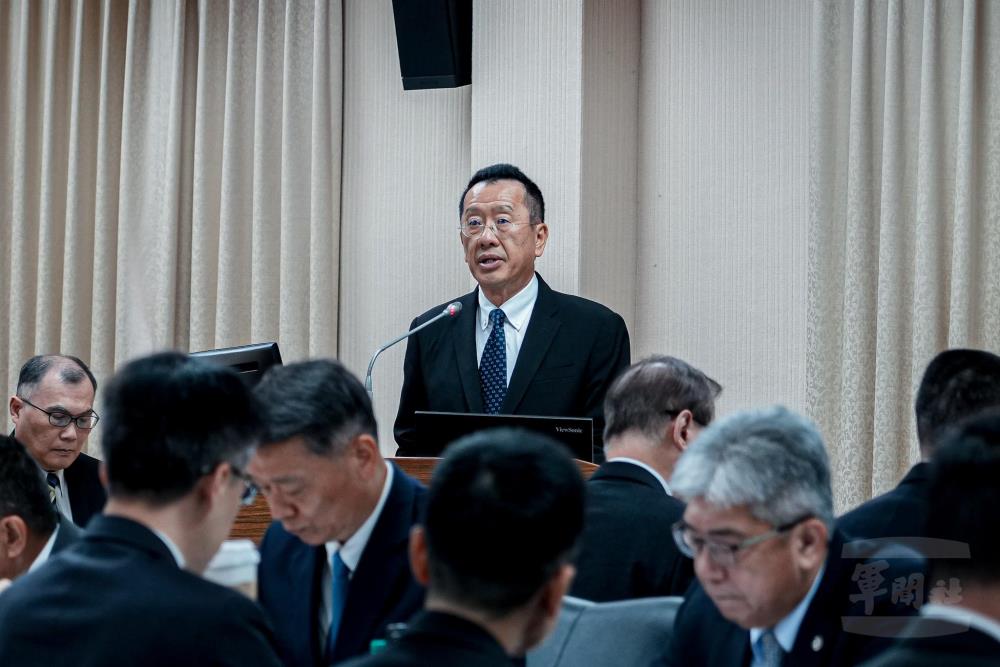 Minister Koo Delivers Special Report to the Legislature, Emphasizes Improvements to Procurement Strategies and MechanismsMinister of National Defense Wellington Koo appeared today before the Legislative Yuan’s Foreign Affairs and National Defense Committee to deliver a special report entitled “Measures to Improve Procurement Strategies in Response to Contractual Disputes, Contractor Defaults, and Resulting Delays in the Delivery of Military Equipment” and answer legislators’ questions. Minister Koo said that the Ministry continues to pursue the acquisition of weapons and equipment amid challenges including the rapid evolution of emerging technologies, increasingly complex systems integration, risks to global supply chains, and limited sources of supply. In addition to conducting procurement in accordance with the law, the Ministry continues to refine its procurement strategies and contract management mechanisms to ensure that the national budget is effectively translated into the Armed Forces’ overall defense capabilities. Lieutenant General Chao Ya-ping, Director of the Ministry’s Defense Procurement Office, said that emerging technologies and intelligent weapon systems have become critical to modern warfare. Military procurement must therefore consider not only operational requirements, but also contract performance management, supply chain security, and performance validation. To reduce the risk of delays in contract performance, the Ministry conducts market research and supply chain analyses from the project planning stage to assess current production capacity and prospective contractors’ ability to perform. It also identifies alternative sources and secondary suppliers. Contractual provisions governing the parties’ rights and obligations, liability for breach, and schedule extensions have also been strengthened. Through standardized and phased acceptance procedures, dedicated project monitoring, and on-site inspections of contractors’ facilities, the Ministry is strengthening contract performance management and risk control, improving procurement efficiency, and ensuring that force development projects proceed on schedule. Lieutenant General Chao further explained that the primary objective of procurement is to acquire weapons and equipment in accordance with project requirements and planned schedules. Through project planning procedures and comprehensive acquisition plans, the Armed Forces procure equipment once funding has been allocated, using channels including foreign military sales, domestic and overseas commercial procurement, and commissioned development or research. All units plan their procurement requirements according to assessed threats and operational needs. In response to recent challenges such as global supply chain disruptions, fluctuations in raw material prices, interrupted supplies of critical components, and changes in contractors’ production capacity, the Ministry continues to review and improve its procurement system. While maintaining requirements for procurement integrity, national security, cybersecurity, and quality, it seeks to shorten procurement timelines, improve the effectiveness of defense resource utilization, and accelerate the development of overall combat capabilities. Responding to legislators’ questions about the implementation of a fixed-site counter-unmanned aircraft system project, Minister Koo said that the required proof of concept (POC) had been completed before the tender was issued. During equipment delivery and acceptance testing, however, data from the search radar and passive radar could not be effectively integrated into the system’s operating platform when multiple batches of drone targets were introduced. As a result, the system’s identification capabilities failed to meet the contractual specifications, and the system failed to pass acceptance testing. The Ministry will continue the necessary follow-up procedures in accordance with the contract to ensure that the equipment meets operational requirements. Army Chief of Staff Lieutenant General Chen Chien-yi further explained that counter-unmanned aircraft systems must combine a range of soft-kill and hard-kill measures in battlefield operations. Their effectiveness is also affected by such factors as the timeliness of database updates, drones’ autonomous flight and anti-jamming capabilities, and the operational environment. Countries around the world are therefore continuing to advance the relevant technologies. To meet the defense requirements of Taiwan’s outlying islands, the Ministry has updated its plans for a next-generation counter-unmanned aircraft system better suited to mission requirements. Procurement can begin once funding has been allocated. Radar detection systems have already been deployed to the outlying islands to maintain defensive capabilities. The special budget for strengthening asymmetric capabilities also includes plans to procure portable systems combining soft-kill and hard-kill countermeasures. The Army will oversee their deployment, with the systems to be progressively allocated to operational units. Regarding legislators’ questions about the implementation of the limited-quantity procurement mechanism, Minister Koo said that the Ministry has drawn on practices in Europe and the United States and plans to validate equipment performance and operational effectiveness through prototype development, the limited-quantity procurement, and operational testing by military units. However, because the central government’s general budget has not yet completed the statutory review process, some new projects planned for 2026 involving prototype development and the limited-quantity procurement cannot yet proceed. Shih Chi-liang, Deputy Director-General of the Department of Integrated Assessment, said that the military services have completed the relevant test and evaluation plans and could begin testing immediately once funding was allocated, accelerating the fielding of emerging equipment. Minister Koo emphasized that the timely passage of the central government’s general budget would allow force development projects to proceed according to schedule and enhance Taiwan’s overall defense capabilities.2026/07/20
 -
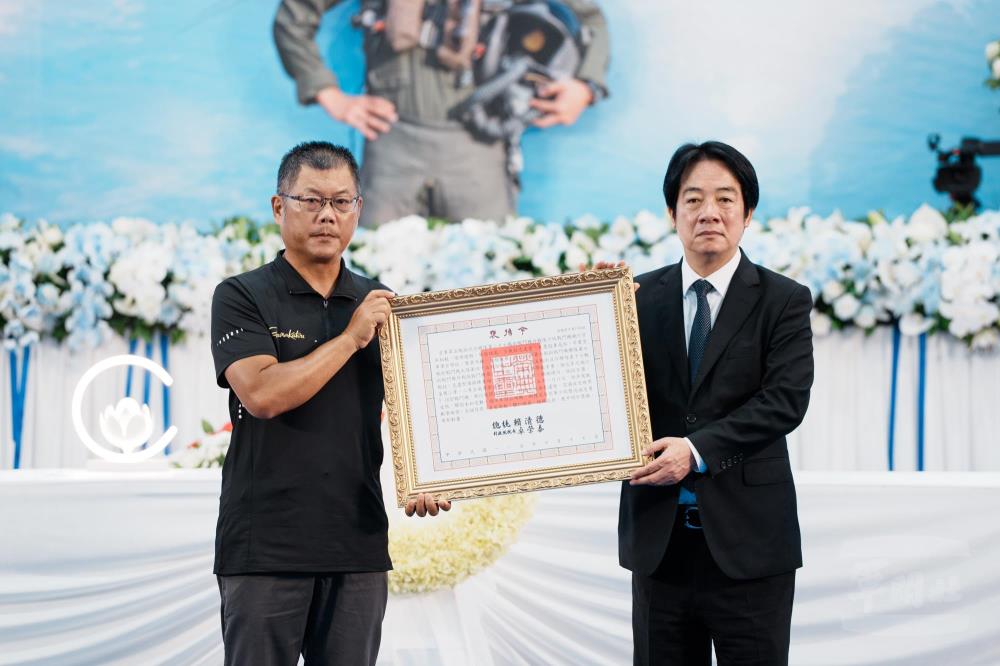 President Lai Personally Presents Posthumous Presidential Citation Honoring Fallen Pilot’s Loyalty and ValorPresident Lai Ching-te traveled to Hualien this morning to present a posthumous presidential citation to Major Hsin Po-yi, a fighter pilot with the 27th Tactical Fighter Group of the Air Force’s 5th Tactical Composite Wing. The citation honored Major Hsin as an exemplar of loyalty and valor for his devotion to duty and defense of the nation. His father, Hsin Chin-yu, accepted the citation on his behalf. In his remarks, President Lai said that he gathered with everyone that day with a profound sense of sorrow to remember Major Hsin Po-yi, a courageous airman who gave his life defending the nation and its people, and to present a posthumous presidential citation honoring his contributions to both. President Lai recalled that in the prime of his youth, Hsin underwent rigorous training at Chung Cheng Armed Forces Preparatory School and the Republic of China Air Force Academy. After graduation, he chose the highly demanding vocation of military aviation, turning his loyalty to the nation and love of the skies into action. Ultimately, he gave his life in fulfillment of the military spirit of loyalty and valor. The President further emphasized that Hsin had performed his duties with devotion and distinction, successfully completing every mission entrusted to him by his superiors. He was not only an exemplary fighter pilot, but also a resolute defender of Taiwan’s airspace and peace across the Taiwan Strait. President Lai thanked Hsin for dedicating himself to military service and serving his country, and extended his deepest condolences to the family. He also noted that Hsin’s wife is an important member of the Armed Forces. Everyone was deeply saddened by Hsin’s loss, and he instructed the Ministry of National Defense to provide his family with the fullest possible support. President Lai said that Hsin was a source of pride to both his family and the nation. The loyalty and valor he displayed in defending the country would remain forever in the hearts of the people, and Taiwan would always take pride in his service. In closing, President Lai addressed Hsin directly: “Your mission is complete. Rest assured that we will take up the watch and protect the country and family you loved so dearly. Thank you. You are relieved of duty.” National Security Council Secretary-General Joseph Wu, Minister of National Defense Wellington Koo Li-hsiung, Chief of the General Staff Admiral Mei Chia-shu, and Chief of Air Force General Cheng Jung-feng also attended the ceremony.2026/07/19
 -
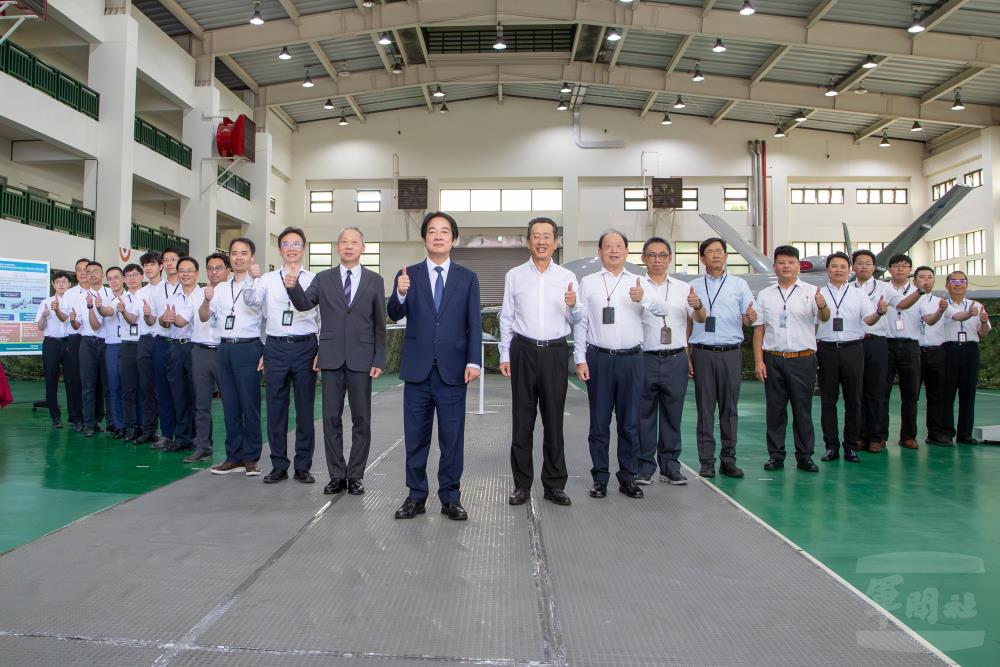 President Lai Inspects NCSIST Drone Development and Calls on Legislature to Support Special Defense BudgetPresident Lai Ching-te today visited the Aeronautical Systems Research Division of the National Chung-Shan Institute of Science and Technology (NCSIST). He said that China has intensified its political and military intimidation of Taiwan, united-front infiltration within the country, and transnational repression in recent years. Taiwan must answer the international call for collective defense and burden-sharing. Describing drones as a representative weapon of asymmetric warfare, President Lai called on the Legislative Yuan to support the special defense budget and the development of a national drone offensive and defensive system. This would allow the relevant programs to be rapidly put in place, safeguarding national security and maintaining peace and stability in the Indo-Pacific. Accompanied by National Security Council Secretary-General Joseph Wu, Minister of National Defense Wellington Koo Li-hsiung, NCSIST President Li Shih-chiang, and Aeronautical Systems Research Division General Director Chiou Chu-hsiang, President Lai inspected the progress of NCSIST’s drone development program this morning. He also received briefings on its anti-radiation unmanned attack system and various types of NCSIST-developed drones. In his remarks, President Lai reiterated that China has increasingly subjected Taiwan to political and military intimidation, united-front infiltration, and transnational repression. To demonstrate Taiwan’s resolve to defend the nation, preserve stability across the Taiwan Strait, and maintain peace in the Indo-Pacific, Taiwan must respond to the international call for collective defense and burden-sharing. President Lai said that the Ministry of National Defense had previously proposed an eight-year special budget totaling NT$1.25 trillion for legislative review. However, the Legislative Yuan approved only NT$780 billion, cutting NT$470 billion. The approved funding was insufficient even to cover arms procurement from the United States. The NT$470 billion cut from the proposal had been intended for international cooperation, commissioned projects, indigenous research and development, and the advancement of the defense industry. Most importantly, the entire budget for drone-related programs was removed. President Lai noted that the Russia-Ukraine war, the Israel-Hamas conflict, and the ongoing hostilities between the United States and Iran had demonstrated the critical importance of drones on the battlefield. Drones could be considered the quintessential weapon of asymmetric warfare. The Executive Yuan had therefore not abandoned the initiative. President Lai thanked Minister Koo and his colleagues for proposing another special act on drones, with total funding of NT$210 billion. A further NT$200 billion to NT$300 billion would be allocated through a supplementary budget and next year’s budget to restore the NT$470 billion previously removed by the legislature. Regrettably, the opposition parties had still not supported drone development. Moreover, some drone legislation proposed by opposition parties would place the Ministry of Economic Affairs, rather than the Ministry of National Defense, in charge. Citing Minister Koo’s remarks during legislative questioning, President Lai said, “The money for rice cannot be confused with the money for soy sauce.” He explained that the proposed funding was intended to procure the military drones required by the Ministry of National Defense. If the drone industry development legislation proposed by legislators were administered by the Ministry of Economic Affairs, its funding could be used only for commercial and civilian applications and would not meet Taiwan’s force development requirements. President Lai emphasized that the Ministry of National Defense and the Ministry of Economic Affairs have different mandates and responsibilities. The Ministry of Economic Affairs is responsible for supporting industry by building the supply chain and helping manufacturers produce the drones required by the Ministry of National Defense. Furthermore, the Executive Yuan has already provided the Ministry of Economic Affairs with NT$44.2 billion under a six-year program to establish this supply chain. There is therefore no need for the Legislative Yuan to provide the Ministry with additional funding. The President expressed hope that the Legislative Yuan would support the nation and enable everyone in the Ministry of National Defense, from the Minister and military leaders to every individual service member, to continue fulfilling their duties. President Lai said that he was deeply impressed by NCSIST’s research and development achievements. Taiwan’s drone technology is already keeping pace with international developments, with the National Security Council, Ministry of National Defense, Ocean Affairs Council, Ministry of the Interior, and other relevant Executive Yuan agencies all contributing to the effort. Through international exchanges, the Ministry of National Defense has also developed a comprehensive blueprint for drone operations. NCSIST, the Industrial Technology Research Institute, the Institute for Information Industry, and research institutions at universities are all in position, as is the Taiwan Excellence Drone International Business Opportunities Alliance (TEDIBOA). “In other words, everything is ready except the final impetus,” President Lai said. If the Legislative Yuan supports the Ministry of National Defense, the Executive Yuan, and the nation in building an integrated drone attack and defense system, the President said he was confident in assuring the public that the government would safeguard national security and preserve peace and stability in the Indo-Pacific. President Lai acknowledged that competition and confrontation among political parties are inevitable. However, the national interest and the lives and property of the people must never be used as bargaining chips in political conflict. He said it was deeply disheartening to repeatedly see Minister Koo and his colleagues having to visit plenary sessions, legislative committees, and individual legislators’ offices to explain the proposals. The time and energy spent on these efforts could instead allow the Minister, commanders at every level, and service members to focus on training and maintaining combat effectiveness. President Lai emphasized that he had come to NCSIST specifically to explain the matter to the public and seek support for the government’s determination to defend national security and protect peace and stability in the Indo-Pacific. The government is confident that once the Legislative Yuan approves the special defense budget, all the relevant programs can be rapidly put in place. President Lai stressed that the funding should be provided through a special budget rather than annual budgets, as force development and defense preparedness require stable, long-term government funding. Taiwan has also historically used special budgets to fund major defense development and preparedness programs. He called on the public to express its support and thereby encourage the opposition parties to do the same. He also urged parties across the political spectrum to jointly support national security and industrial development, demonstrating to the international community Taiwan’s resolve to defend itself.2026/07/17