- MNA News
MNA News
-
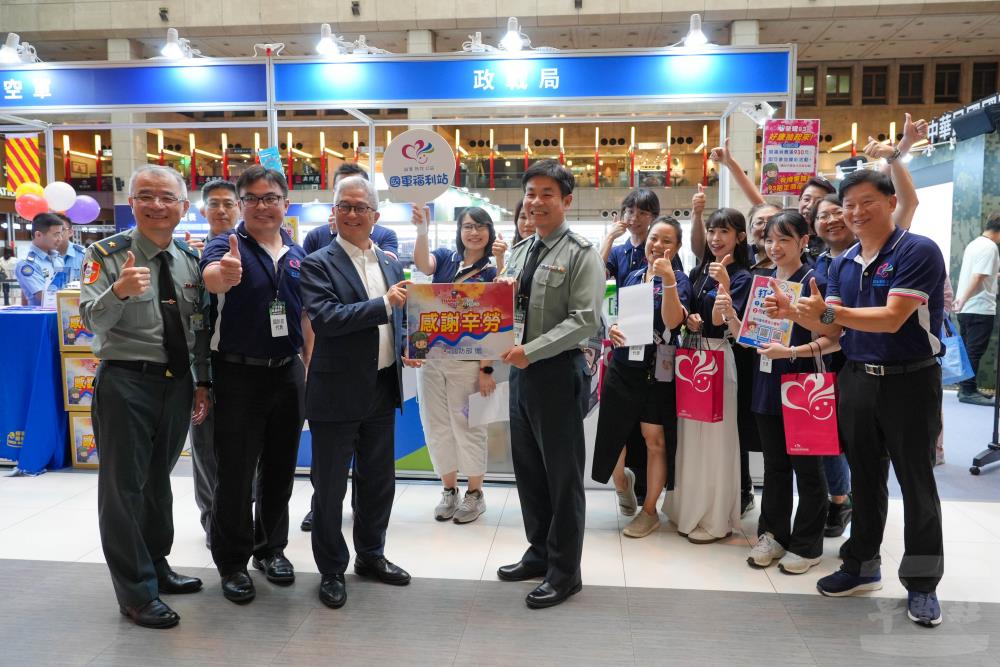 “Safeguarding Our Homeland, Sharing in the Honor” Military Appreciation Campaign; Vice Minister Hsu Thanks Participating Service MembersVice Minister of National Defense Hsu Szu-chien visited Taipei Main Station this morning to view the displays at the Executive Yuan’s “Safeguarding Our Homeland, Sharing in the Honor: A Feast for Heroes, Savoring Home and Honoring the Nation” event. On behalf of Minister of National Defense Wellington Koo Li-hsiung, he presented gifts to participating service members and thanked them for their hard work. To recognize Armed Forces personnel for their longstanding dedication to defending the nation and safeguarding the homeland, the Executive Yuan is holding the four-day event from September 3 in the multipurpose exhibition area on the first floor of Taipei Main Station. The event combines a military appreciation fair, displays of Armed Forces equipment, screenings of military promotional videos, and themed interactive activities. Members of the public are invited to show their respect and gratitude through concrete action to service members who remain steadfast at their posts. For the event, the Ministry of National Defense is displaying models of equipment used by the Army, Navy, and Air Force. Items presented in rotation over the four days include an Army Special Forces miniature assault vehicle, a Navy twin-mounted Stinger missile launcher, models of three types of Air Force fighter aircraft, and a Military Police Indian Challenger heavyweight motorcycle. These displays give the public an opportunity to view military equipment up close and learn about the distinctive characteristics of each service. During the event, service members and their families may receive a 20 percent discount throughout the fair by presenting a military identification card, service identification card, or military dependent identification card. Visitors whose names contain any of the Chinese characters “九, 三, 軍, 人, 節, 陸, 海, 空, or 憲,” or a homophone of any of these characters, may receive a 10 percent discount upon presenting identification. The event also features prize drawings for purchases of NT$1,000 or more, limited daily gifts for completing designated social media check-in activities, honor guard performances, national defense quizzes, Armed Forces-themed digital photo booths, and message boards for expressing appreciation to the military. Through these interactive experiences, visitors can learn more about the Armed Forces and convey their best wishes to the service members safeguarding the homeland.2026/09/03
 -
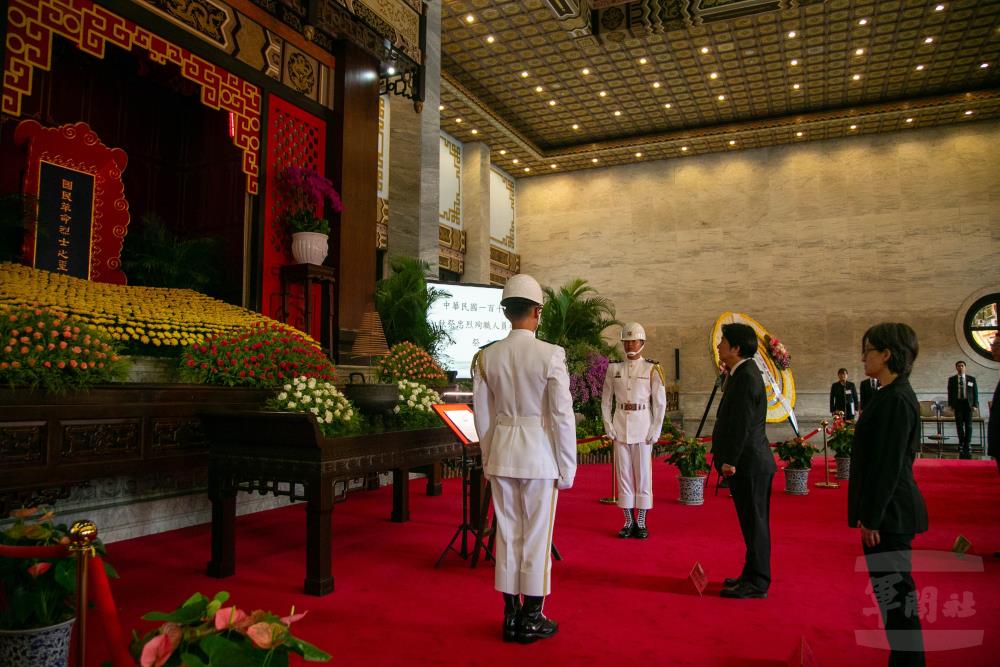 President Lai Presides over “2026 ROC Autumn Memorial Ceremony for Martyrs and Personnel Who Died in the Line of Duty ”The “2026 Republic of China Autumn Memorial Ceremony for Martyrs and Personnel Who Died in the Line of Duty ” was solemnly held this morning at the National Revolutionary Martyrs’ Shrine in Yuanshan, Taipei. President Lai Ching-te served as chief officiant, with Vice President Hsiao Bi-khim and Premier Cho Jung-tai serving as co-officiants. Accompanied by Secretary-General to the President Pan Men-an and National Security Council Secretary-General Joseph Wu, President Lai arrived at the shrine to the strains of Ruffles and Flourishes. As the ceremony began, bells and drums sounded. After the chief officiant, co-officiants, and other ceremony participants had taken their places, the national anthem was played. President Lai then presented flowers before the spirit tablets of the revolutionary martyrs. Following the reading of the memorial address, President Lai led the co-officiants and other ceremony participants in three bows. After the solemn ceremony, the President greeted and shook hands with representatives of the bereaved families of martyrs.2026/09/03
 -
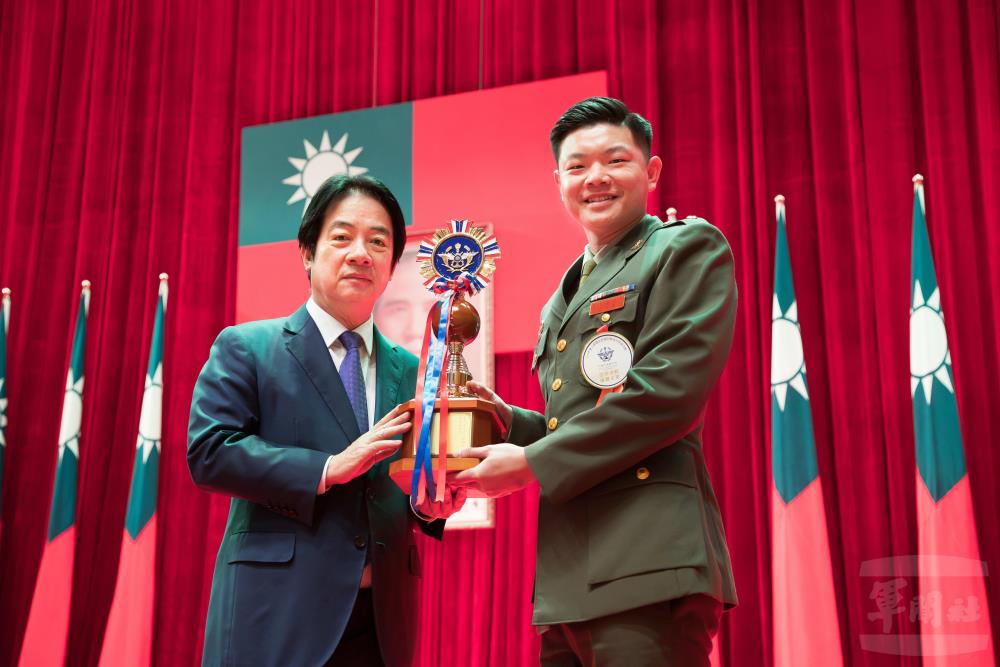 President Lai Presides over Armed Forces Day Awards Ceremony, Calls for Unity in Safeguarding National Security, Democracy, and FreedomPresident Lai Ching-te presided over the “2026 Armed Forces Day and All-out Defense Education Day Awards Ceremony” today. He said the government would continue strengthening the Armed Forces’ combat capabilities and Taiwan’s overall defense resilience, advancing defense self-reliance, and caring for service members. He also thanked the Armed Forces for defending the homeland and all sectors of society for supporting national defense. The President called on everyone to stand united in safeguarding national security, democracy, freedom, and peace. President Lai was accompanied by Strategic Advisors to the Office of the President Huoh Shou-yeh, Lin Chen-yi, and Liu Jen-yuan; National Security Council Secretary-General Joseph Wu; Deputy Secretary-General Lii Wen; Minister of National Defense Wellington Koo Li-hsiung; Chief of the General Staff Admiral Mei Chia-shu; Chief of Army General Lu Kun-xiu; Chief of Navy Admiral Chiang Cheng-kuo; Chief of Air Force General Cheng Jung-feng; National Defense University President Admiral Tang Hua; and Friends of Armed Forces Association Chairman Huang Cheng-tsung. During the ceremony, the President presented awards to Outstanding Armed Forces Personnel, Exemplary Armed Forces Units, organizations and individuals recognized for outstanding contributions to all-out defense education, exemplary supporters of the Armed Forces, and exemplary reserve advisory cadres. The awards recognized their exceptional contributions to national defense development, all-out defense education, military support initiatives, and reserve affairs. In his remarks, President Lai noted that Armed Forces Day would be celebrated the following day, September 3. He said he was pleased to gather with Armed Forces personnel and extended his sincerest congratulations and gratitude to all award recipients, including outstanding personnel, exemplary units, and exceptional partners in all-out defense education, military support initiatives, and reserve affairs. Those honored today are outstanding representatives of the Armed Forces and wider society. However, every service member who defends the nation and its people deserves the public’s heartfelt respect and gratitude. President Lai said this year’s award-winning units demonstrated the missions and responsibilities undertaken by the Armed Forces in different roles. The Assault Helicopter Group of the Army Aviation 602nd Brigade is responsible for air assaults, rapid reinforcement, and the transportation of personnel, equipment, and supplies. After Typhoon Ragasa devastated Hualien last year, the unit deployed helicopters to transport search-and-rescue personnel and equipment into the disaster area, exemplifying the Armed Forces’ commitment to defending the homeland and protecting the people. The Air Force’s 41st Tactical Fighter Group of the 2nd Tactical Fighter Wing has long performed air defense alert duties. Amid rapidly evolving conditions around the Taiwan Strait, its personnel maintain combat readiness day and night, making the unit an essential force in protecting Taiwan’s airspace. Tseng Chung-fu, chief advisor to the Southern Taitung County Advisory Group, has also provided longstanding support for national defense. Last year, he assisted the Armed Forces in establishing an artillery live-fire training range in Taimali, expanding the military’s training capacity. These achievements vividly demonstrate both the Armed Forces’ commitment to protecting the people and society’s support for the military. They are also concrete examples of all-out defense in practice. President Lai also highlighted Marine Corps company commander Captain Tsai Yin-lan, an Outstanding Armed Forces Personnel award recipient. From becoming Taiwan’s seventh female combat frogman to working her way through the ranks to become an officer, she exemplifies the younger generation’s courage in pursuing their aspirations. The President thanked all award recipients for their contributions. He expressed hope that the ceremony would allow the public to see the Armed Forces’ efforts and achievements while helping more young people understand that wearing the uniform and defending the nation is a calling worthy of pride. President Lai noted that this year marks the 20th anniversary of the implementation of the “All-out Defense Education Act.” Over the past two decades, all-out defense education has expanded beyond schools and government agencies into society, enabling more people to understand and support national defense and participate in strengthening whole-of-society defense resilience. Faced with rapidly changing international conditions and the continued expansion of Chinese authoritarianism, Taiwan must not only continue enhancing the Armed Forces’ combat capabilities but also ensure that both the government and society possess sufficient response capacity. President Lai said Han Kuang 42 Exercise, completed last month, focused on realistic combat conditions and validated capabilities including joint operations and dispersed deployment while continuing to strengthen overall defense resilience. He expressed his recognition and gratitude to all officers, noncommissioned officers, and enlisted personnel who participated in the exercise. The President emphasized that every additional measure of preparedness makes the nation safer. Only by continually strengthening defense and deterrence can Taiwan better safeguard national security and regional peace. Accordingly, Taiwan’s overall defense budget for next year will exceed NT$1 trillion for the first time, reaching NT$1.1225 trillion and remaining above 3 percent of GDP. This demonstrates Taiwan’s determination to strengthen its self-defense capabilities to the international community. The government will continue advancing defense self-reliance, developing the defense industry, artificial intelligence, and unmanned systems, and enhancing Taiwan’s overall capacity to respond to future challenges. President Lai said people are at the heart of national defense capabilities. As the government supports national defense, it must also care for officers, noncommissioned officers, and enlisted personnel. From the administration of former President Tsai Ing-wen through President Lai’s tenure, the government has continued improving compensation for Armed Forces personnel. Last year, it approved increases to allowances for volunteer service members, combat units, tactical air control, electronic reconnaissance, and cyber operations. Drone units became eligible for the combat unit allowance in February this year. In July, the government also introduced Type III Combat Unit Allowance, providing an additional NT$4,000 per month to personnel serving in brigade-level and below units that provide combat service support. Conscripted officers, noncommissioned officers, and enlisted personnel serving in combat units are also eligible for the allowance. Additionally, the professional and supervisory allowances for military personnel, civil servants, and public school educators were each increased by NT$2,000 in July. A further 4% across-the-board pay raise will take effect next January, marking the government’s fifth pay increase for these personnel in 10 years. The “Xing’an Project” initiated by former President Tsai and the “Zhanxing Project” continued under President Lai are both intended to improve the Armed Forces’ living and training environments. The government is also strengthening childcare, family-care, and other forms of support so that service members can serve with peace of mind and concentrate on their missions. President Lai noted that the Armed Forces now enjoy considerable support from across society. Since July last year, six Taiwan-based airlines have offered military personnel priority boarding. In response to the government’s initiative, 640 brands and more than 20,000 retail locations are participating in this year’s corporate military appreciation campaign. The President thanked all businesses and sectors of society supporting the Armed Forces. He also expressed his gratitude to the military families present, emphasizing that their support is an indispensable part of Taiwan’s defense capabilities. President Lai concluded by stating that a nation’s true strength comes not only from advanced equipment but also from its people standing together in unity when challenges arise. When service members defend the nation, the government supports the Armed Forces, society places its trust in them, and the people cherish democracy and freedom, these combined strengths enable Taiwan to address any challenge. The President called on everyone in Taiwan to remain united in safeguarding national security and preserving democracy, freedom, and peace.2026/09/02
 -
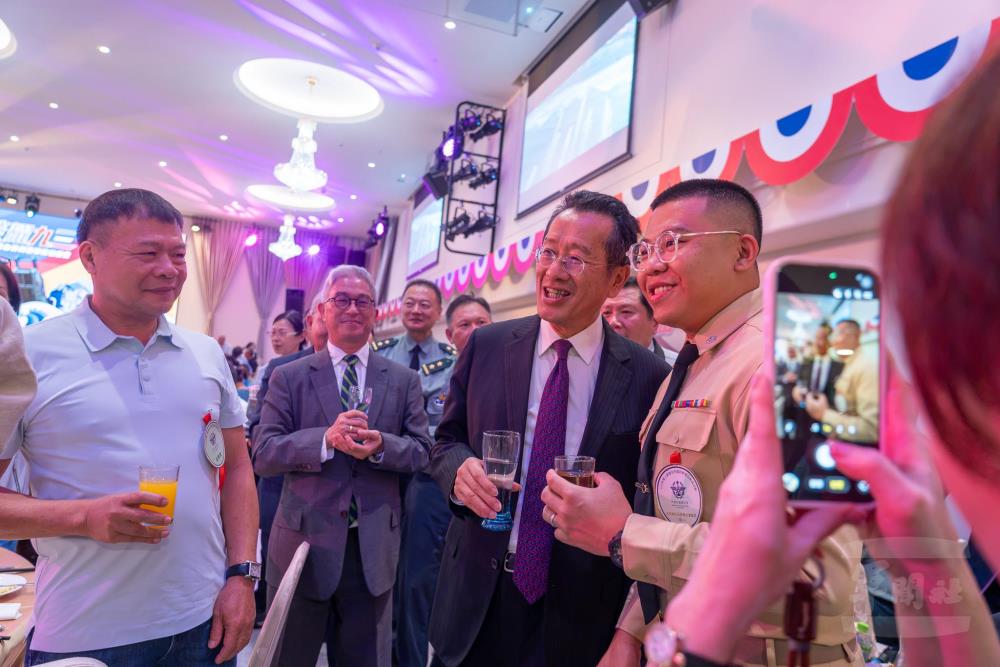 Tribute Banquet for the ROC Armed Forces from All Sectors of SocietyIn celebration of Armed Forces Day on September 3, the “ROC Armed Forces Tribute Banquet from All Sectors of Society” was held today at the Taipei Hero House. The Friends of Armed Forces Association (FAFA), together with representatives from the business and industrial sectors, hosted exemplary Armed Forces personnel, other award recipients, and their families. The event paid the highest tribute to service members from all three services who have long remained steadfast at their posts, defending the nation and protecting its people. The banquet was co-hosted by Minister of National Defense Wellington Koo Li-hsiung and FAFA Chairman Huang Cheng-tsung. In his remarks, Minister Koo first thanked FAFA for its longstanding efforts to support and recognize the Armed Forces. By bringing together resources from across society and fostering public appreciation for the military, these efforts enable service members and their families to feel the warmth and encouragement of the wider community while reinforcing their resolve to defend the nation. Minister Koo said the outstanding service members recognized as Armed Forces Exemplars, the commanders of Exemplary Units, and recipients of the Outstanding Contribution to All-out Defense Education Award have demonstrated exceptional professionalism and unwavering resolve. They serve as examples for all Armed Forces personnel and represent an important source of strength for the military’s future development. Service members’ ability to devote themselves fully to their military duties depends on the longstanding understanding and support of their families. The quiet dedication, care, and understanding of their families are essential to the Armed Forces’ unity and combat capabilities. Minister Koo emphasized that, with Armed Forces Day approaching, he hoped all sectors of society would continue demonstrating their support through concrete action, making the spirit of “the military caring for the people and the people respecting the military” a part of everyday life. The Armed Forces will continue improving and working to safeguard the security of the nation and its people, living up to society’s expectations. Chairman Huang said, “Where the Armed Forces stand, security endures.” Military personnel shoulder the responsibility for national security and the well-being of the people, devoting themselves selflessly to the nation at all times, without complaint or regret. Armed Forces Day is an occasion to pay tribute to the military and thank all service members for their contributions to national security and public well-being. Chairman Huang said FAFA would continue bringing together greater support from the private sector and conveying the care and support of all sectors of society to every service member, standing as the Armed Forces’ most steadfast comrade-in-arms.2026/09/01
 -
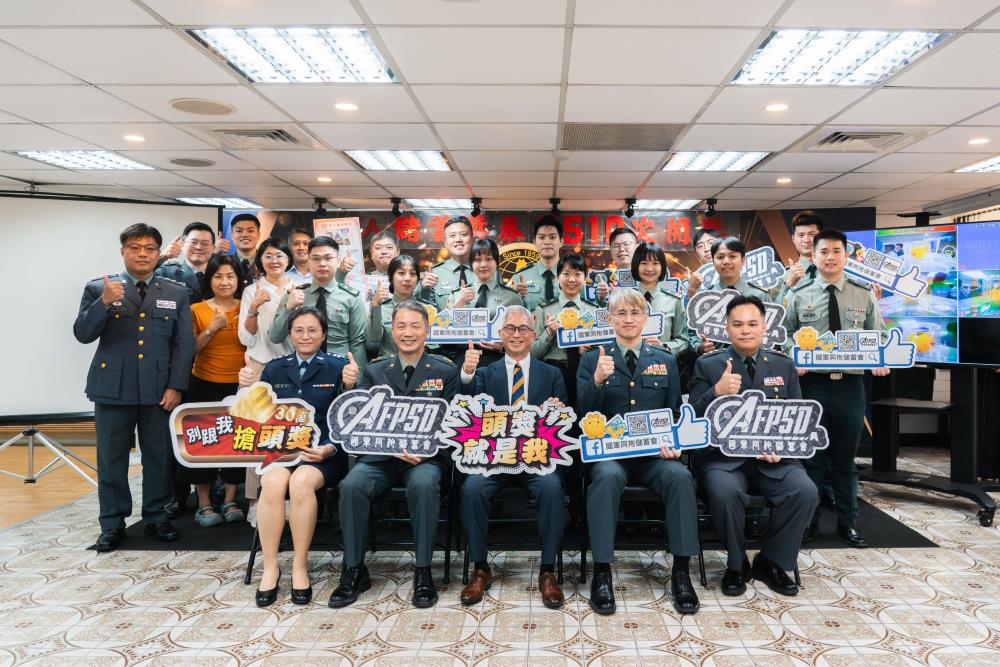 510th Military Savings Prize Bond Drawing Features NT$1 Million Armed Forces Day Special PrizeAhead of Armed Forces Day on September 3, the Armed Forces Personnel Savings Division (AFPSD) held the 510th Military Savings Prize Bond drawing today, together with a special Armed Forces Day prize drawing. Vice Minister of National Defense Hsu Szu-chien served as the guest conducting the drawing, which featured an additional NT$1 million special prize to reward service members who have long supported the prize bond program. The event also promoted sound financial management and encouraged personnel to develop prudent saving habits and plan their finances carefully. The drawing was held at AFPSD this morning. Witnessed by Comptroller Bureau Director-General Lieutenant General Hsieh Chi-hsien, Financial Center Chief Financial Officer Major General Chen Chi, and oversight representatives from the Financial Supervisory Commission and the three services, the drawings for the NT$1 million special prize, first prize, second prize, and other prizes were conducted. The winning numbers will be published on AFPSD’s official website and Facebook page for service members to check. In his remarks, Vice Minister Hsu noted that Armed Forces Day was approaching. On behalf of the Ministry of National Defense, he expressed his sincerest respect and gratitude to all Armed Forces personnel who remain steadfast and conscientious at their posts, as well as to the military families who have long supported them. He also commended AFPSD for remaining true to its founding mission of “serving the Armed Forces and caring for service members.” The Division provides secure financial management options and, through Military Savings Prize Bonds, which offer both “principal repayment at maturity” and “opportunities to win prizes,” helps service members develop sound saving habits. Vice Minister Hsu noted that modern society offers an increasingly diverse range of investment and financial management options, accompanied by growing risks and ever-evolving forms of fraud. AFPSD’s reliable savings and financial management services provide service members with an important means of accumulating wealth and planning for the future. He encouraged service members to make effective use of these resources, develop sound financial management practices, and carefully plan their personal and household finances to establish a solid foundation for the future. AFPSD said service members seeking information about its financial services may contact their nearest regional financial affairs unit. Information is also available through AFPSD’s official website and Facebook page.2026/08/28
 -
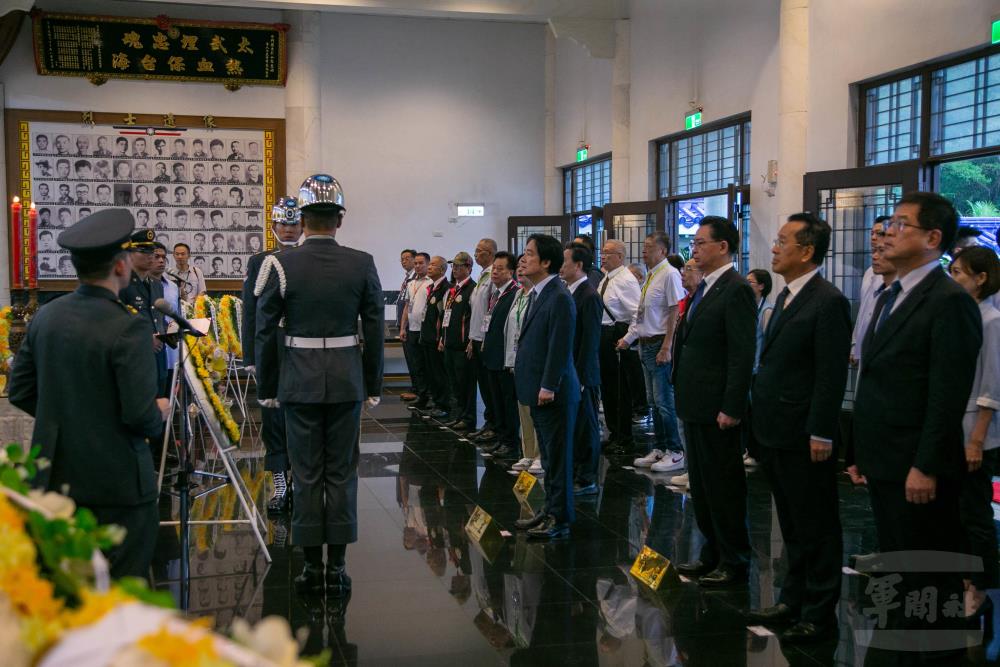 68th Anniversary of Victory in the August 23 Artillery Battle; President Lai: Strengthen National Defense to Safeguard the NationPresident Lai Ching-te visited Kinmen this morning to preside over a memorial ceremony marking the 68th anniversary of victory in the August 23 Artillery Battle. He expressed his gratitude to those who fought in the battle for their courage and sacrifice, which laid the foundation for 68 years of peace across the Taiwan Strait. He said the government would continue strengthening and investing in national defense in the spirit of “not yielding a single inch of Taiwan, Penghu, Kinmen, or Matsu,” working together to defend the nation, safeguard democracy, and pursue peace and prosperity for generations to come. After arriving in Kinmen, President Lai first visited Taiwushan Cemetery to preside over the memorial ceremony. He offered incense, flowers, and ceremonial tributes to the fallen service members. Following the reading of the memorial address, he led participating officials and attendees in three bows, expressing profound remembrance and gratitude for the service members’ selfless devotion to the nation. President Lai then visited Shenfenggang Camp to meet with troops and inspect the operation of its medical building. He noted that, after taking office, former President Tsai Ing-wen launched the “Xing’an Project” to systematically renovate aging Army, Navy, and Air Force barracks. The project included the construction of a combined medical and supply building at Shenfenggang Camp in Kinmen, providing modern living quarters that were completed and occupied last year. President Lai noted that after taking office, he built upon the “Xing’an Project” by introducing the “Zhanxing Project,” which continues the renovation of aging barracks and provides Army, Navy, and Air Force personnel with better living and training environments. At noon, President Lai attended a luncheon with veterans of the battle and the bereaved families of the martyrs. In his remarks, he said he had come to Kinmen on behalf of the people of the whole country with a profound sense of gratitude. He expressed his sincerest respect and appreciation to the heroes who, regardless of ethnicity or when they had arrived in Taiwan, stood united, fought courageously, repelled communist totalitarian aggression, and devoted themselves to defending Taiwan, Penghu, Kinmen, and Matsu and safeguarding the Republic of China. President Lai also reminded the public that “even when the world is at peace, forgetting war invites peril.” For 68 years, China’s authoritarian forces have never ceased their ambition for external expansion. Taiwan must therefore never relax its resolve to unite in defending national sovereignty and safeguarding peace across the Taiwan Strait. Only by upholding the principle of “not yielding a single inch of Taiwan, Penghu, Kinmen, or Matsu” and continually strengthening and investing in national defense can peace be assured. The victory in the August 23 Artillery Battle, he said, offers the clearest demonstration that “peace is secured through strength.” President Lai emphasized that Taiwan would continue strengthening its defense capabilities, advancing defense self-reliance, conducting overseas military procurement, developing emerging military technologies such as artificial intelligence and drones, and establishing a comprehensive all-out defense system. He also noted that next year’s overall defense spending, including the annual and special budgets, would exceed NT$1 trillion for the first time, reaching NT$1.1225 trillion and remaining above 3 percent of GDP. This demonstrates to the world Taiwan’s determination to strengthen its self-defense capabilities. President Lai added that, in addition to strengthening military capabilities, the government has continued improving compensation for Armed Forces personnel. Since last year, the government has successively increased the volunteer military service allowance, combat unit allowance, tactical air control allowance, electronic reconnaissance, and cyberwarfare allowance. Drone units became eligible for the combat unit allowance in February this year. In July, a Type III Combat Unit Allowance was introduced in consideration of operational requirements and the specialized nature of military duties, providing eligible personnel with an additional NT$4,000 per month. Conscripted officers, noncommissioned officers, and enlisted personnel serving in combat units are also eligible for the allowance. Additionally, the professional and supervisory allowances for military personnel, civil servants, and public school educators were each increased by NT$2,000 in July. A further 4% salary increase will take effect next January. This will be the fifth pay raise for these personnel over the past decade, spanning the administrations of former President Tsai and President Lai, demonstrating the government’s support for public-sector personnel. The President emphasized that all these measures are intended to support every service member safeguarding the nation by providing more abundant defense resources and more comprehensive compensation and benefits. He also expressed hope that the ruling and opposition parties and people throughout Taiwan would uphold the spirit of military-civilian unity, resistance to communism, and defense of Taiwan demonstrated during the August 23 Artillery Battle. He called on them to support the defense budget and measures that care for Armed Forces personnel, thereby laying a stronger and more stable foundation for peace across the Taiwan Strait.2026/08/23
 -
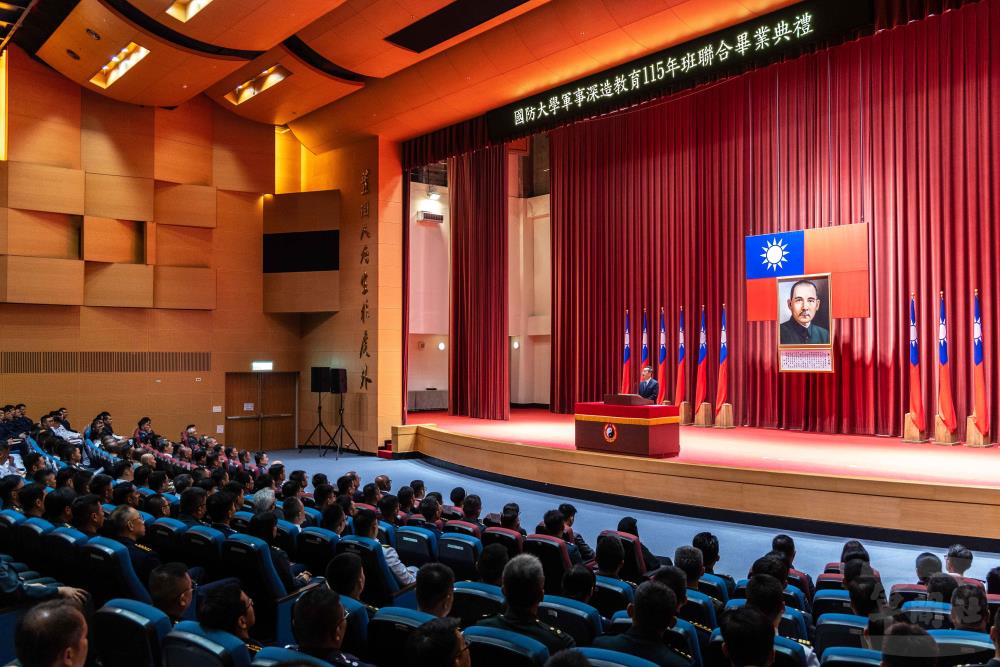 Minister Koo Presides over Joint Graduation Ceremony for Advanced Professional Military Education, Urges Graduates to Shoulder Responsibilities for Force Development and Combat ReadinessMinister of National Defense Wellington Koo Li-hsiung presided over the National Defense University’s “Joint Graduation Ceremony for the 2026 Advanced Professional Military Education Programs” today. He extended his sincere congratulations to all graduating officers and encouraged them to integrate and apply what they had learned, remain committed to their missions and values, advance reform and innovation, and exercise effective leadership in their future positions. Together, he said, they must shoulder the important responsibilities of force development and combat readiness. The ceremony was held this morning at the University’s Shuai Zhen Campus. Minister Koo presented graduation certificates and awards to outstanding student officers, as well as service medals to officers from allied nations. Minister Koo noted that the graduation marks the conclusion of advanced education but also the beginning of new responsibilities. Faced with complex threats posed by gray-zone harassment, cognitive warfare, and emerging technologies such as artificial intelligence, the Armed Forces must continue advancing force development and combat readiness while deepening education and training to deter threats effectively. Minister Koo outlined three expectations for the graduates: “Remain committed to your missions and values to ensure national security,” “Advance reform and innovation to strengthen defense capabilities,” and “Demonstrate effective leadership to guide the Armed Forces’ development.” He noted that in recent years, the Armed Forces have continued advancing toward the goals of “new training, new thinking, new equipment, and new technology,” guided by an approach that is “people-centered, AI-assisted, and combat-oriented toward realistic combat conditions.” Through phased, realistic exercises such as Rapid Response Exercise, Joint Defense Exercise, and Han Kuang Exercise, the Armed Forces have improved the speed and efficiency of the transition from peacetime to wartime, deepened decentralized command and control, and implemented live-fire validation throughout all operational phases, thereby continuing to strengthen defense capabilities. Minister Koo emphasized that even the most advanced technology and equipment cannot replace human leadership and judgment. He encouraged the graduates to embrace new knowledge, make effective use of emerging technologies, and foster an organizational culture built on respect for professional expertise, trust and empowerment, fairness, and transparency. He also urged them to listen to personnel at the unit level, remain attentive to service members’ needs, and lead by example so that they and their subordinates can grow together. By applying their expertise in their respective positions, the graduates can provide fresh momentum for the modernization of the Armed Forces.2026/08/21
 -
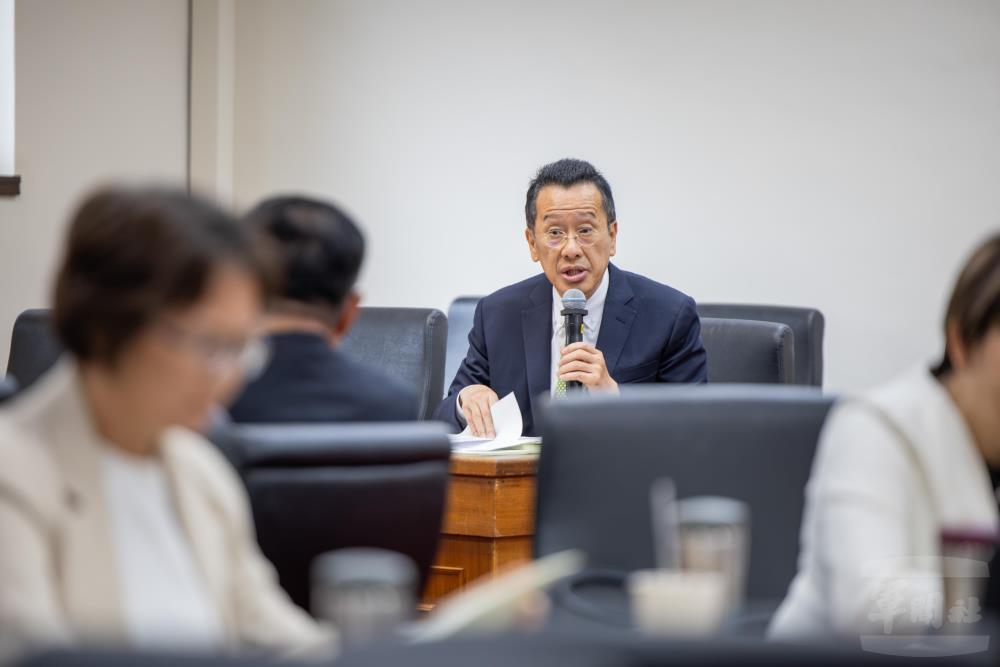 Negotiations on Special Act for Unmanned Systems; Minister Koo Urges Parties to Consider the Armed Forces’ Critical Need for Unmanned CapabilitiesMinister of National Defense Wellington Koo Li-hsiung attended cross-party caucus negotiations today on the draft “Special Act for Unmanned Systems.” He said unmanned capabilities are a critical component of the Armed Forces’ force development and combat readiness and expressed hope that opposition parties would carefully reconsider the proposed annual budget ceiling of NT$40 billion so that Taiwan’s overall defense resilience can be strengthened. The Legislative Yuan’s Economics, Foreign Affairs and National Defense, and Finance Committees conducted caucus negotiations today on 14 proposals, including the “draft Act for the Development and Procurement of Indigenous Defense Unmanned Vehicle Technologies.” As the ruling and opposition parties failed to reach agreement on the legislation’s title, competent authority, and sources of funding, all 14 proposals reserved and referred to the plenary for further cross-party negotiations. Minister Koo said the KMT’s version defines unmanned vehicles as systems operated by remote control, autonomous control, or other means in the air, on the water’s surface, underwater, on the ground, or in other environments. Their missions include surveillance and reconnaissance, target acquisition, strikes, logistics transport, communications relay, electronic warfare, decoy operations, mine clearance and laying, and other tasks. Article 16 of the proposal would allocate NT$40 billion annually through the regular budget process for six consecutive years, for a total of NT$240 billion. Minister Koo noted that the 2027 budget already allocates NT$31 billion for unmanned capabilities through military procurement, contracted production, and commercial procurement. This figure does not include the coastal-surveillance, coastal-strike, and one-way attack unmanned surface vessels proposed under the special act. If the special act passes, an additional NT$13.8 billion would be allocated in 2026 and NT$42.1 billion in 2027, for a combined total of NT$55.9 billion, exceeding the proposed NT$40 billion ceiling. Minister Koo emphasized that the KMT version would place all remotely operated unmanned systems used for surveillance and reconnaissance, target acquisition, strikes, logistics transportation, communications relay, electronic warfare, mine clearance and laying, and other missions, including aerial and ground systems, under the same NT$40 billion ceiling. Such a restriction would prevent the Ministry from developing an effective force structure for unmanned capabilities. He earnestly urged the KMT caucus to reconsider the Armed Forces’ critical need for these capabilities so that budgetary constraints would not prevent their effective employment. Regarding the proposed six-year funding period, Minister Koo added that the Ministry would procure systems annually rather than purchase six years’ worth of surveillance and reconnaissance, strike drones, and small unmanned attack platforms in a single acquisition. Through the relevant committee mechanisms, the Ministry would also require each year’s specifications to improve upon those of the preceding year to maintain the pace of iterative innovation in unmanned systems.2026/08/20
 -
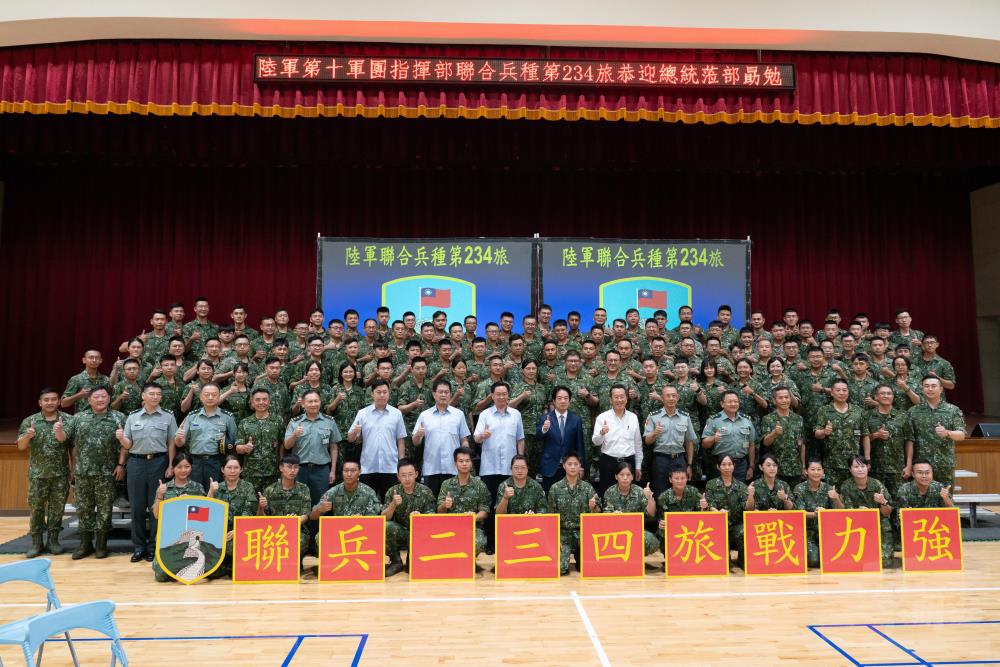 President Lai Visits 234th Combined Arms Brigade, Says Improved Compensation Reflects Respect for Military ProfessionalismPresident Lai Ching-te visited the 234th Combined Arms Brigade at Ching Chuan Kang South Camp in Taichung today, where he met with personnel who had participated in the field-training phase of Han Kuang Exercise. He commended the Armed Forces’ training achievements and thanked service members for their dedication. The President announced that a new NT$4,000 “Type III Combat Unit Allowance” would take effect from July 1. He said the measure reflects the nation’s respect for military professionalism and represents an important investment in strengthening Taiwan’s defense capabilities. He expressed hope that every service member safeguarding the country would feel the nation’s support and recognition. After arriving at Ching Chuan Kang Camp this afternoon, President Lai first watched a documentary on the field drills conducted by units in the Taichung area. He then listened to personnel share their experiences from Han Kuang 42 Exercise and presented a group award. In his remarks, President Lai noted that Han Kuang 42 Exercise had concluded only last Friday. He said he was pleased to visit the 234th Brigade and hear six service members share their experiences. The President said their accounts clearly conveyed the demands of prolonged, high-intensity training. At the same time, he could sense how much they had gained from the exercise and the strong sense of accomplishment it had given them. Members of the public who initially complained about the exercise ultimately gave service members a thumbs-up and praised the Armed Forces. These responses reflected the results of their regular training, and the President thanked all personnel for their efforts. President Lai expressed the nation’s gratitude for the service members’ hard work and dedication. Every time the Armed Forces make thorough preparations, the country becomes stronger. A stronger country is more secure and contributes further to regional peace and stability. He said he has always firmly believed that national security requires a strong national defense, and that a strong national defense depends on service members who are respected and free from concerns about their own and their families’ well-being. Since taking office, President Lai has continued adjusting compensation for Armed Forces personnel. Last year, he approved increases to five allowances covering volunteer military service allowance, combat unit allowance, tactical air control allowance, electronic reconnaissance allowance, and cyberwarfare allowance. In February this year, he also approved the inclusion of drone units among those eligible for the combat unit allowance. The President further announced that, following a comprehensive assessment by the Ministry of National Defense and in consideration of operational requirements and the specialized nature of military duties, a “Type III Combat Unit Allowance” would be introduced effective July 1 in addition to the existing Type I and Type II allowances. Personnel serving in units at the brigade level below that sustain combat operations will receive an additional NT$4,000 per month. Effective from the same date, conscripted officers, noncommissioned officers, and enlisted personnel serving in combat units will also receive the combat unit allowance on the same basis as volunteer service members. President Lai added that, in addition to the continuing adjustment of military duty allowances, the professional and supervisory allowances for military personnel, civil servants, and public school educators were each increased by NT$2,000 in July. A further 4% salary increase will take effect next January. This will mark the fifth pay raise for these personnel during the administrations of former President Tsai Ing-wen and President Lai. President Lai emphasized that the government’s successive adjustments to salaries, duty allowances, and other benefits are intended to create a more reasonable system that reflects service members’ responsibilities, risks, and professional expertise. Compensation should differ according to duties and levels of responsibility while aligning with units’ missions and personnel requirements. Improved compensation represents the nation’s respect for military professionalism and an important investment in strengthening national defense. The President expressed hope that every service member defending the country would feel the nation’s support and recognition and be able to care for themselves and their families while remaining focused on combat readiness and training. The government will remain the Armed Forces’ strongest source of support by continuing to expand defense resources, improve service conditions, and enhance compensation and benefits. Also attending were National Security Council Secretary-General Joseph Wu; Minister of National Defense Wellington Koo Li-hsiung; National Security Council Advisor Liu Te-chin; National Security Council Deputy Secretary-General Lii Wen; Army Deputy Commander Lieutenant General Li Jung-hua; 10th Army Corps Commander Lieutenant General Shao Chih-chun; and 234th Combined Arms Brigade Commander Major General Wei Tsung-chih.2026/08/19
 -
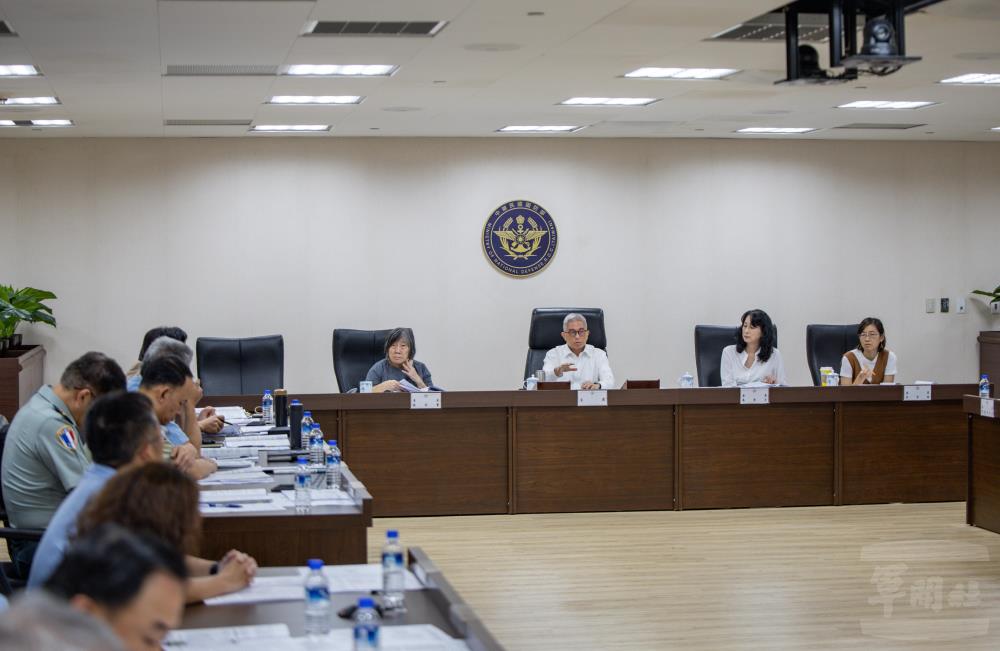 Vice Minister Hsu Chairs Gender Equality Meeting, Calls for Continued Efforts to Foster a Supportive WorkplaceThe Ministry of National Defense convened the 49th meeting of its Gender Equality Task Force today. Chaired by Vice Minister of National Defense Hsu Szu-chien, the meeting addressed gender equality, a supportive workplace, and cultural diversity. Participants discussed ways to advance the Ministry’s gender equality initiatives and foster a high-quality working environment. The meeting was held at Bo’ai Camp this morning and attended by external members Yen Hsiang-luan, Chin Chi-fang, and Yu Chen-yi; representatives from the Executive Yuan’s Department of Gender Equality and the three service headquarters; and personnel responsible for related affairs at the National Defense University and other organizations. The responsible unit first reported on the implementation of action items from the previous meeting. Participants then discussed gender equality -related cases with the committee members, with the aim of continually improving the Ministry’s gender equality initiatives and creating a safe and gender-friendly environment. Vice Minister Hsu emphasized the importance of establishing robust gender equality systems. The soundness of these systems affects how cases are investigated and handled, as well as personnel’s trust in the systems. Current systems and operating mechanisms should therefore be reviewed continuously, with deficiencies addressed and improvements made. This will strengthen procedures for handling gender equality -related cases, provide more appropriate safeguards, and foster a safe and supportive workplace. Vice Minister Hsu also noted that while the relevant systems continue to be reviewed and improved, gender equality -related cases must be handled carefully in accordance with applicable requirements. In particular, the composition of the relevant committees and the investigation process must ensure procedural fairness and impartiality while protecting the rights and interests of all parties. This will ensure that service members can focus on combat readiness and training in a safe, respectful, and equitable workplace.2026/08/18